I Saved the Disabled Villain by Pretending to be Pitiful - Reviews

I Saved the Disabled Villain by Pretending to be Pitiful
+Add to Custom List
Sort
Add review
... Read More
Okay can we talk about Rong Xu for a second because this chapter is basically a masterclass in showing而不是telling when it comes to possessive love? The man has this incredibly guarded exterior—cold, aloof, the type who doesn't flinch—and yet everything about how he treats Chi Han reveals someone who is quietly, desperately devoted. He lets Chi Han draw his name on his calves with a heart. He showers later just to avoid washing it off. That's not nothing. That's a person who communicates love through actions because apparently words are too hard for him. But then—THEN—the bathroom scene with the phone. Oh my god. 'His fingertip on the phone's fingerprint unlock.' He did it. He unlocked it. And the way the text describes his reaction: 'The contract in his hand crumpled under his grip.' A man who doesn't flinch at torn contracts from business partners is now absolutely losing it because his boyfriend called himself 'momo da' to his best friend. Momo da. Mommy's boy. THREE WORDS that triggered an emotional earthquake. And his reply to Yin Hao—'[I am Rong Xu]'—that single line is perhaps the most terrifying and beautiful thing I've ever read. It's a threat wrapped in a self-introduction. It literally says: I am the one who loves him, I am the one who matters, back off. What makes this relationship work is that Chi Han isn't just some passive recipient of Rong Xu's devotion. When Chi Han says 'I feel like I haven't been good enough to you,' and Rong Xu responds 'No one has ever been this good'—that's genuine. That's not manipulation, that's a man who has found someone and refuses to let go. And the morning after their intimate moment, when Chi Han is too embarrassed to face the world, Rong Xu just… takes him to the garden. Handles it with grace. Those two together feel real, complicated, and achingly tender.
... Read More
I need to talk about the ending of this passage because WOW. Chi Han falls asleep during the movie, Rong Xu carries him or tucks him in, and then Rong Xu wakes up half-consciously reaching for him — fingers brushing empty air — and Chi Han QUICKLY stuffs a pillow into his arms. And Rong Xu just... accepts it. Pulls it to his chest, pats it, rests his face against it. This is one of the most devastatingly sweet moments I've read. That pillow was from Chi Han's dorm — something he always uses, something personal and familiar. Rong Xu knows this. He notices these things. When Chi Han isn't there physically, Rong Xu needs SOMETHING that smells like him, that reminds him of him, and Chi Han intuitively understands this and provides it without even being asked. That's not romance novel fluff — that's two people who have learned each other's rhythms. But then there's also the lighter side of their dynamic. The shirtless changing scene where Chi Han is "flushed as red as a cooked shrimp" and desperately thankful the lights are off. His internal monologue of pure panic while Rong Xu is just calmly helping him dress like it's the most normal thing in the world. There's something genuinely funny about watching someone who is clearly mortified being treated with such casual tenderness. And the selfie moment! Chi Han taking photos of Rong Xu sleeping and saving them to a LOCKED album. The fact that he thinks about this enough to create a separate secret folder for it says everything about how deeply he's fallen.
... Read More
Let's talk stakes because they just went from 'social discomfort' to 'someone might actually get hurt' in the span of three paragraphs. Chi Han enters this banquet with a mission—he knows Rong Xu is going to be publicly humiliated as a narrative device to elevate Fang Jingluo. That's the established conflict: one character's degradation for another's ascension. But then the text adds a LAYER. Rong Xu doesn't just arrive late, he arrives INJURED. 'The wound on his leg was manageable, but the extensive abrasions on his hand made people cringe.' And Rong Xingwen—his own relative—is 'boiling with anger' about the inconvenience, not about the harm done to him. This reframes everything. Chi Han's planned intervention wasn't going to be just social salvation, it's now a rescue operation. What is he willing to risk? The text shows us his internal shift—from reading about a character to caring about a person—and now we're left wondering what happens when those two worlds collide. Will he expose himself? Will he fail? Will Rong Xu even WANT to be saved by someone he barely knows? The suspense isn't just 'will he do it' but 'what does he stand to lose if he tries?' And honestly, looking at how these families operate—performative, cruel, status-obsessed—the answer to that question is terr
... Read More
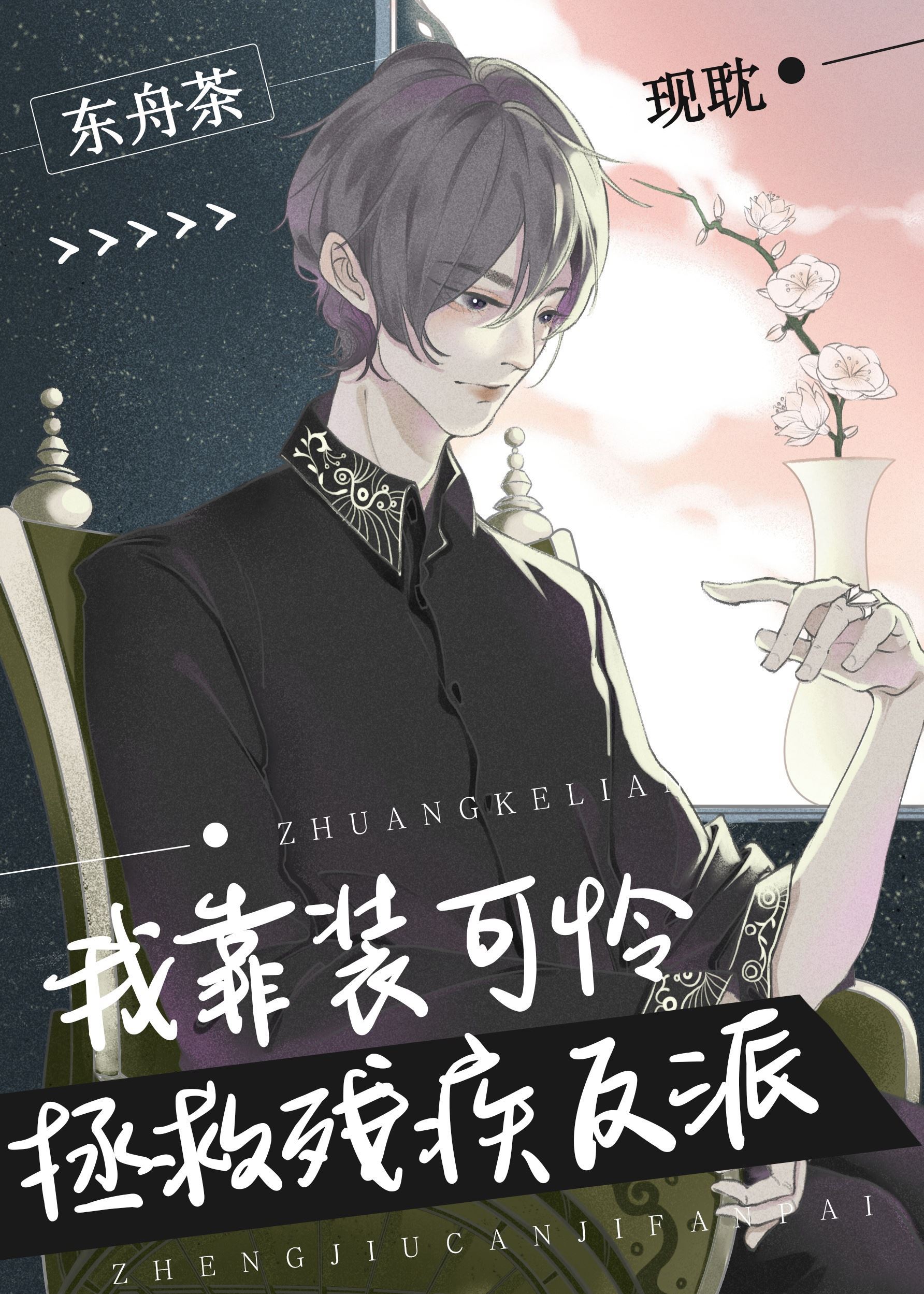
Okay so first off, the whole premise is already hilarious in the best way. Chi Han is literally on the toilet reading a novel all night, says something snarky in the comments like "If I were that supporting character, those doggedly scummy guys wouldn't survive until the end!" — and then BAM, he wakes up as THAT supporting character. The comment section karma hit is immediate and I cannot stop laughing. The opening scene has him frozen mid-action holding torn toilet paper while surrounded by glowing cocktails at a nightclub. The transition is so abrupt and chaotic, it perfectly captures that disorientation of being pulled into a story you thought you understood. What I found genuinely gripping is how the plot sets up multiple layers of conflict right in these first four chapters. There's the surface-level conflict of Chi Han vs. the local bullies, but underneath that there's the class warfare — "people from those small families are just like this, brainless and uncultured" — and then on top of that, there's this entire political economy hanging over Fang Jingluo's head with the Rong family arrangement. The author is weaving three plot threads simultaneously and somehow it doesn't feel crowded at all. But the real masterstroke is how Chi Han completely upends the expected trajectory. In the original novel, he was apparently the ultimate simp — "who usually followed Fang Jingluo like a lapdog" — and instead of playing along, he drops the mic with "Are you insane? Only a dog would like him." That line didn't just shock the characters in the room, it shocked ME. The way Fang Jingluo reacts — grabbing his wrist, the suppressed rage, that chilling threat about making the Chi family disappear — suggests something way more complicated than simple humiliation. He's not just angry, he's... disturbed? Intrigued? The plot is clearly setting up a reversal of power dynamics that I am HERE for. And that closing beat where Fang Jingluo tells Jiang Yaoning to tell Chi Han to get lost because he doesn't want to see him tonight? Classic. That is not the reaction of someone who is truly uninterested. That is the reaction of someone who is deeply unsettled by their own feelings. The author knows exactly what they're doing with pacing.
... Read More
Let me just talk about how the author weaponized pacing across these five chapters because honestly it was masterclass-level control. Chapter 280-282 basically operate in slow motion during the fireworks scene. We linger on Chi Han's perspective—his drunken haze, the taste of Rong Xu's lips, the way the world narrows down to just that moment. The author doesn't rush the confession. Each kiss, each whispered line gets room to breathe. You feel the weight of "Until death and beyond" landing for the first time as spoken words between them. ThenChapter 283 is a complete tonal shift—almost comedic with the secret texting, the hangover soup, the nervous preparation. It's a release valve after the emotional intensity, but also builds a different kind of tension. Every button Chi Han unfastens, every step toward the bedroom door, every second of Rong Xu being unaware—it's all deliberate delay. The actual scene in the dark bedroom? The pacing drops to almost zero. Time stretches. Each button, each sound, each breath is isolated and magnified. And then Chapter 284 snaps back to reality with morning sunlight and Chi Han's internal meltdown. Three distinct rhythms—slow burn, comedic relief, intense climax, grounding aftermath—and they flow into each other like waves.
... Read More
That white dress shirt. Let me just talk about the shirt for a second. "The sleeve was torn, and some unidentifiable stain had soaked into it." Chi Han picks it up, recognizes it, and then tosses it into the corner like it's radioactive. But what is it really? It's evidence. Physical proof of everything that happened between them — the violence and the tenderness, the loss of control and the willingness to surrender. The shirt was his uniform before all of this, something formal and composed. Now it's a relic. And Rong Xu picking up those same scattered clothes afterward? "Rong Xu didn't call anyone in to clean, worried that Chi Han might feel embarrassed." That concern is the whole theme right there. This story isn't about power or dominance — it's about the terrifying vulnerability of being known completely by another person and choosing to stay. The bite mark on Rong Xu's body at the hospital functions the same way. It's a brand, a claim, a permanent record written in purple. The nurse avoids it. The doctor looks away. But Rong Xu lies there stone-faced because why should he hide it? The whole chapter is asking: what happens when two people stop performing restraint? Chi Han's hoarse voice from shouting all night — another symbol. He lost his voice and gained something else. The water cup just out of reach at 3 AM — desire asproximity without fulfillment. Every physical detail is carrying metaphorical weight.
... Read More
The conflict in these chapters operates on multiple levels, and that's what makes it so gripping. At the surface, there's the familial clash between Old Master Fang and Fang Jingluo—a grandfather trying to protect tradition and a grandson determined to rewrite the rules. The imagery of fruit-throwing and cane-slamming is almost comedic, but the stakes underneath are serious. This jadeite event isn't just a party; it's the crucial step in Fang Jingluo's succession. If he alienates the industry's most powerful figures, he could lose everything. But then there's the meta-conflict: Chi Han notices that this event didn't happen in the original novel. The old master's decision to lower the entry bar is a deviation from fate, and that uncertainty adds a layer of tension. Is this a butterfly effect? Will things spiral out of control? And woven through all of this is the personal conflict—Chi Han's growing closeness to Rong Xu, Fang Jingluo's obsessive desire for Chi Han's attention, and Geng Xue's quiet heartbreak. Every thread is pulling in a different direction. The text makes you care because the stakes aren't abstract. You're worried about Fang Jingluo's relationship with his grandfather. You're worried about Chi Han getting caught in the crossfire. You're worried about Geng Xue. And you're definitely worried about what happens when a traditional family's rigid rules collide with someone who refuses to follow them. The suspense isn't just about who wins; it's about whether anyone gets what they actually want.
... Read More
I'm gonna be real with you—the pacing in these chapters is dangerously good and I don't know how to process it. The chapter starts almost lazily. Chi Han is looking in the mirror, complaining about his hair, taking a taxi, getting his hair dyed. It's quiet. It's almost boring if you're not paying attention. And THEN—suddenly—the elevator doors open and everything changes. The transition is so seamless I didn't even notice I was holding my breath. The author doesn't rush the shift from comedy to drama. There's this quiet moment where Chi Han is just walking through the club, VIP card in hand, feeling confident—and then the thud. That single word 'thud' in the text? I swear I heard it. The pacing around Rong Xu's injury is also interesting because the author doesn't linger on the cruelty for too long. We see the mockery, we see the push, we see the blood—and then Chi Han intervenes and the scene pivots from violence to something tendеr. The elevator ride itself is this perfect pressure-cooker moment. Small space, two strangers, one shared silence, and by the time the doors open on the first floor, everything has shifted. No cliffhanger ending, but the unresolved tension between these two characters is doing the heavy lifting. Brilliant structure.
... Read More
I keep coming back to the mother-son dynamic because honestly? It's chilling. Let me just say this out loud: 'Find someone to cover your red hair for me.' That is not how a mother talks to her child. That is how a CEO talks to a subsidiary that's embarrassing the brand. And Chi Han's internal reaction—just this quiet, resigned acceptance? He doesn't even fight it anymore. He thinks about the plot and goes along with it. That's not obedience, that's survival mode. Then you have Rong Xu entering the scene and the entire energy shifts. Chi Han's face changes. His gaze 'instantly lit up.' This person—who has been emotionally numb through his entire family interactions—comes ALIVE at the sight of Rong Xu. Not romantically (or maybe yes, I'm not ruling it out), but humanly. He sees someone being mistreated and his whole demeanor transforms. Meanwhile Rong Xingwen is pushing him into the hall 'boiling with anger,' treating him like property. The contrast between how Chi Han wants to protect Rong Xu and how the Rong family treats him is the kind of character detail that makes you want to throw the book at the wall in frustration. Who is actually the good family here at this point?
... Read More
I need to talk about how the pacing works in this section because it's honestly masterful. The chapter starts slow — elevator ride, awkward silence, Chi Han trying to make conversation and getting ignored. It feels almost mundane at first, right? Like, oh this is just a character introduction. And then BOOM — Rong Xingwen bursts in like a tornado, dragging Rong Xu by the wheelchair handle, yelling at him in front of a stranger. The shift from quiet tension to full-blown confrontation is so sharp it made me actually gasp. And then the second act — the family dinner — it's almost suffocating in how slow it builds. Everyone's smiling and toasting the grandfather, and Rong Xu walks in and the mood shifts like you can feel the temperature drop. Rong Guanyu asking 'can you even stand up?' in front of everyone? That's not just mean, that's calculated cruelty designed to humiliate. And Chi Han sitting there eating tastelessly afterward? The author doesn't say 'he was sad' or 'he felt hopeless.' They just say he ate tastelessly. And somehow that hits harder than any emotional description ever could.
... Read More
The stakes in this chapter just escalated from personal to existential without anyone raising their voice. On the surface, we have a love triangle—Fang Jingluo, Rong Xu, Chi Han—but that triangle is already ancient history. What's happening NOW is a NEW triangle: Rong Xu, Chi Han, and Xu Ting. And Xu Ting is the most dangerous player because he doesn't even know he's playing against Chi Han. He thinks he's manipulating Rong Xu. He has no idea the "Young Master Rong" he's messaging is actually Chi Han. This dramatic irony is so thick you could cut it. Chi Han is sitting in bed with a wrecked waist, deliberately feeding information to the enemy while pretending to be his own partner. And what's Chi Han fighting for? Not just Rong Xu's affection, but protection—from Fang Jingluo's past, from Xu Ting's schemes, from the "political marriage" threat that could tear them apart. The family assets, the company, the power dynamics—all of it is weaponized against them. Every message from Xu Ting raises the question: how far will this go before someone gets hurt for real? Because right now it's just psychological warfare, but the author is building toward something much more visceral.
... Read More
"Chi Han… mine. I really want to lock you up here, so only I can see you…" I NEED A MOMENT. This line alone recontextualizes their entire dynamic and I am shook. Up until now, Rong Xu has always felt like the controlled one—cool, composed, the adult in the room. But this? This is raw, unfiltered desire mixed with something almost territorial. And the way Chi Han responds—not by pulling away but by arching into it, by shivering—tells you everything about their dynamic. Chi Han doesn't need to be saved or protected; he needs someone who can match his energy, even when it's messy and drunk and vulnerable. The contrast between how Chi Han acts around Rong Xu versus everyone else is also fascinating. The secret texting, the nervous fidgeting, the careful gift preparation—he treats Rong Xu like something precious. But then in bed, he's the one initiating, the one taking control. Two different versions of the same devotion, both real. And Rong Xu carrying him everywhere—whether drunk or after intimacy, no hesitation—shows that his protectiveness isn't about weakness, it's about choice. He chooses to tend to Chi Han every single time. That's the relationship core right there.

Leave a comment

You must be logged in to leave comments. or
