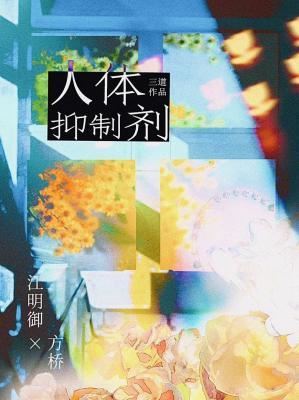
This passage does something I really appreciate—starts broad and narrows like a camera lens snapping into focus. We open with a dynasty. The Jiang Group, a century of wealth, an S-class Alpha heir, sibling intrigue, power struggles over inheritance. It reads almost like a historical epic, and then—bam—we drop into a bedroom scene where an Omega is being manhandled by his patient, and the whole opulence of the opening suddenly feels hollow.
The chapter structure here is doing clever work with tension. First, the exposition dump on the Jiang family (necessary, I get it, but honestly my brain was doing gymnastics to keep all the names straight). Then the present-day confrontation between Fang Qiao and Jiang Mingyu—short, sharp, brutal dialogue that escalates FAST. Then the contract scene, which slows everything down, gives us the backstory, the WHY, the emotional anchor. And it ends on that haunting memory—"an almost horrific memory, tinged with blood." Cliffhanger? Not explicitly, but effectively.
What I loved especially: the transition from Fang Qiao's physical submission in the present to his childhood memory at the end. The author doesn't explain the connection between the two—he just lets them sit beside each other, and the reader makes the gut punch themselves. That stormy day. The prison visit. The suicide. All of it compressed into a single devastating paragraph while Jiang Mingyu's mint pheromones fill the room in the present. Two timelines, one emotional truth: Fang Qiao has been trapped since he was a child, and now he's trapped all over again. The pacing doesn't rush this. It lets the weight accumulate.