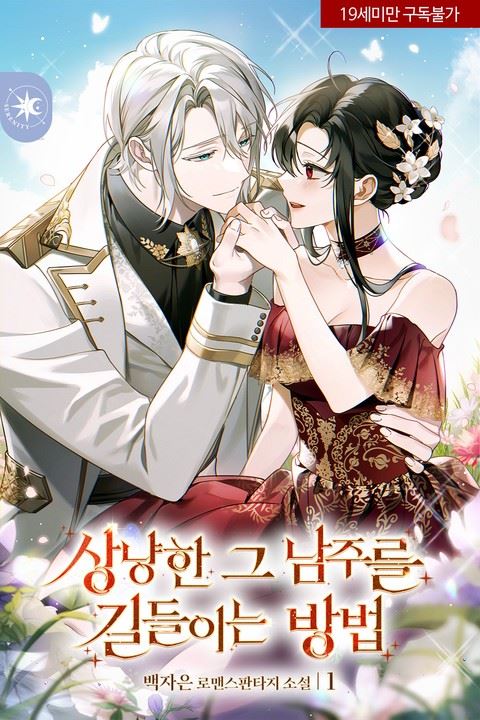
There's a theme running through this batch that I can't shake: the tension between what Resena knows and what she can change, and the cost of carrying foresight alone.
The white orb is the most obvious symbol. It's described almost clinically—'the white orb that covered the imperial capital'—but its simplicity is what makes it terrifying. White usually means purity, hope, new beginnings. Here it's erasure. Annihilation. The end of everything. And it's triggered by grief, by love turned to ash. The orb isn't just a weapon; it's the physical manifestation of a heart breaking so badly it takes the world with it.
Resena's notebook is another symbol I keep returning to. She's writing in Korean, a language no one else in this world understands. The notebook becomes a private archive of her trauma, a bridge between her past deaths and her current chances. It's also a metaphor for memory itself—fragile, fading, something you have to actively preserve or lose forever. The fact that she fills 'an entire notebook' suggests this isn't the first time she's tried to document the future. She's been here before, written this down before, and the notebook is her accumulated wisdom made physical.
The locked door motif appears when the stealing maids try to flee: 'she was caught by the knight guarding the door and forced to kneel.' Doors and thresholds matter here. Resena is always at doorways—entering new strategies, leaving old patterns behind, trying to keep people from escaping consequences. The boundary between safety and danger is literal architecture in this story.
And then there's the landscape paintings. A man who can destroy the world with a glance also appreciates still, composed beauty. Eldis's capacity for both creation and destruction lives in the same chest. The paintings suggest that he's capable of pausing, of observing, of finding meaning in things that don't demand anything from him. Resena notices this about him: 'Eldis seemed to like landscape paintings too.' She's looking for footholds in his humanity, places where she can reach him before grief reaches him first.
The whole story is about whether love can be redirected, whether grief can be interrupted, whether knowing the ending changes anything. And Resena's answer, written in a notebook she may never get to use, is: I have to try.