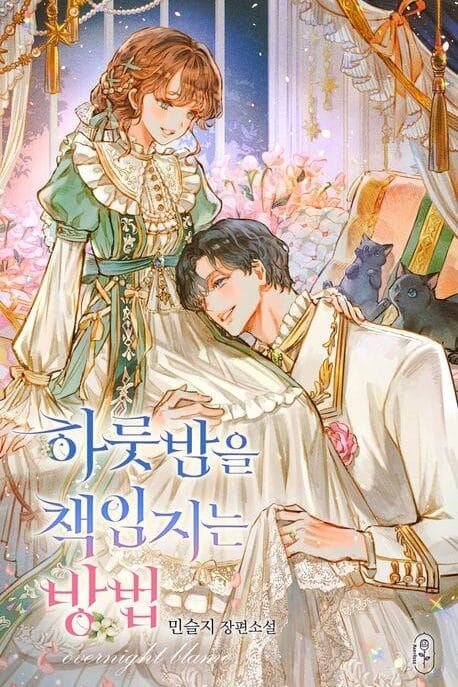
The dialogue here is remarkably crisp, revealing character through what's said, what's withheld, and how it's delivered. Floyd's voice is gentle but authoritative, layered with guilt and determination. His apologies feel earned, not perfunctory: ‘I'm truly sorry. I was wrong.' Simple, direct, devoid of noble grandiosity. Yet his explanations also expose his contradictions—‘I didn't want to see you cry' sounds tender but also self-serving, revealing his initial motivation was emotional convenience rather than honor. Elina's dialogue is more fragmented, hesitant, shifting from silent nods to desperate pleas. Her line ‘I don't want to become your mistress, Your Grace'is a masterstroke—formal address ‘Your Grace'collides with raw vulnerability, showing both her awareness of hierarchy and her refusal to accept it. The author uses silence and subtext effectively. Much of the emotional weight lies in pauses, glances, and actions rather than words: Floyd's cold hand on her cheek, Elina burying her face in blankets, the exchange over the strawberry tart. When dialogue does occur, it's layered with double meanings. ‘If you had told me you were Grand Duke Rennes…' implies not anger but relief mixed with betrayal. The narrative voice closely follows Elina's perspective, blending third-person observation with her internal monologue. This creates an intimate, confessional tone—we're not just watching a romance, we're inside a mind grappling with shame, hope, and love. The dialogue avoids melodrama; even emotional peaks are controlled. Elina's kneeling isn't accompanied by wailing but by quiet resolve. Floyd's promise of marriage isn't a sweeping declaration but a practical offer cut short by the arrival of tart. The author's style favors brevity and implication, letting readers infer the unsaid. This restraint makes the emotional moments hit harder. The voices feel distinct: Floyd's measured, slightly formal speech contrasts with Elina's more spontaneous, emotionally charged lines. Even secondary characters like Bianca the physician are sketched through minimal dialogue—‘change the maid'—revealing Elina's growing agency. Overall, the dialogue serves the story's themes: communication as both bridge and barrier, truth as both liberating and painful, love as something spoken and unspoken.