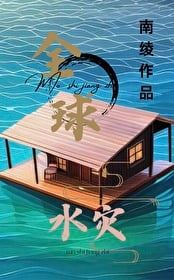
There's a lot of water imagery in this section. Rain. Hail. Downpours. The school gate near water. And the central metaphor—the Raft. It's not accidental. Water in literature always means transformation, danger, the subconscious. Here it feels like both a literal threat and a symbol of the world Shu Fu is preparing for.
The laminated glass is another symbol I can't ignore. Shu Fu reinforces her windows against falling objects. Laminated glass doesn't shatter—it holds together even when hit. That's basically the thesis of the whole story: survive by staying intact, not by being unbreakable. The glass is transparent, so she can still see out. She's preparing for isolation but not blindness.
And the Raft itself. It's a survival vessel, obviously, but it's also a progression system. Level 1, Level 2, tasks, wheels of fortune. It's gamified survival, which is interesting because it suggests that in this world, hope comes in the form of systems and rules. Shu Fu isn't just surviving; she's leveling up. The raft is her ticket, her goal, her purpose.
The BBQ gift package from the prize wheel is funny but also telling. After all the tension about survival, the system rewards her with… food. Real food. Not points, not currency, actual wagyu ribeye and lamb skewers. It's a reminder that survival isn't just about staying alive—it's about finding moments of normalcy, of pleasure, of a good meal in a world that's clearly going to get worse.