Formless - Reviews

Formless
+Add to Custom List
Sort
Add review
... Read More
This chapter broke me with how beautifully it maps the geography of power between these two. Because let's be honest — Kangwoo is NOT a nice person, and the text refuses to let us forget it for even one page. Heewoon is exhausted. Three to four hours of sleep. Creating 100 practice questions. Tutoring until 11pm. His stomach growls during class. And Kangwoo shows up with a smile and says "I promised to be a little easy on you and adore you." Easy. The word hangs in the air like a joke only one of them finds funny. Kangwoo gets to define what 'easy' means because Kangwoo controls the terms of their entire relationship. Heewoon has no leverage, no exit strategy that doesn't involve his mother's safety, and honestly, watching him navigate this made my hands shake. But the moment that changed everything for me was the bedside scene. Heewoon covers himself with a blanket, expecting pain, and Kangwoo... laughs. He laughs and ruffles his hair and pinches his cheeks and calls him Sunbae in this soft voice. The tenderness is REAL but it's weaponized tenderness, and the story knows it. Kangwoo's control isn't just about threats — it's about making Heewoon GRATEFUL for mercy. Every small kindness becomes a debt Heewoon can never repay because the baseline of their relationship is established coercion. That's the genius of this dynamic. Kangwoo doesn't need to constantly threaten because he's already won — Heewoon asks for the soft version. Heewoon pleads for it. "Please go a little easy on me and adore me." Heewoon literally negotiates for gentler abuse, and I sat there stunned because the author had me SO deep in his head that I felt his desperation as my own. This isn't a healthy relationship. But goddammit, it's the most honestly written power imbalance I've read in this genre.
... Read More
Oh my god, this scene between Kangwoo and Heewoon is absolutely suffocating in the worst way possible, and I cannot look away. Let me just say it straight: Kangwoo is a predator wrapped in silk, and Heewoon is trapped in a cage he built himself, one fearful choice at a time. The way Kangwoo operates is chillingly calculated. He doesn't just force Heewoon — he erodes his resistance piece by piece. Watch how he starts: "Don't play naive, I don't really like that kind of thing." That opening line? That's Kangwoo establishing control before the physical even begins. He's already in Heewoon's head, dismissing his agency while Heewoon is too terrified to push back. And Heewoon's reaction — God, Heewoon's reaction says everything. His face pales, his legs tremble, he can barely climb stairs. This isn't hesitation; this is trauma response. The text literally says "the terrible memories of that night came flooding back. It was fierce and terrifying, and he felt as if he was close to his death." Close to death. This man has experienced life-threatening violence from Kangwoo before, and yet here he is, walking back into that house. But here's what keeps me up at night — Kangwoo's manipulation isn't purely violent. It's wrapped in something almost tender. When he buries his face in Heewoon's neck and breathes in, saying "You don't really smell sweaty" while Heewoon is panicking about washing up... that's gaslighting on another level. He's making Heewoon question his own reality. The touch is soft, the words are gentle, but the underlying threat is razor-sharp. The bathroom scene is the masterclass in their dynamic. Heewoon hiding in the shower for nearly two hours, washing himself obsessively, trying to scrub away something he can't escape. And Kangwoo just... waits. He knows Heewoon will come out. He has all the time in the world because Heewoon has nowhere else to go. When Kangwoo finally speaks through the door — "Just how many times are you going to shower?" — his voice is described as "more terrifying than anything else." Not angry. Not loud. Just... present. Absolute, inescapable presence. What breaks my heart most is Heewoon's bargaining at the end: "Can you do better tomorrow?" After everything. After the bruises, after the fear, after being pushed onto that pristine white bed with the brown-stained mattress underneath — Heewoon is still hoping Kangwoo will change. Still negotiating for crumbs of kindness. That's not love. That's Stockholm syndrome wearing a romantic disguise. Kangwoo promises "I'll do better" like it's nothing. Like it's easy. But Heewoon knows better — "Just how many times have you said that?" — and the tragedy is he keeps believing anyway.
... Read More
This chapter is a pacing nightmare in the best possible way. The author lets us breathe at the start—a quiet arrival at a shabby building, green tea being poured, Kangwoo lowering his eyes and sipping. It's almost meditative. You'd think this is going to be a conversation chapter, maybe a reveal chapter, something measured and thoughtful. And that's exactly when the author hits you. The first blow comes not with fists but with photos. Kangwoo flips through a tablet, casually showing images of “a rugged man with a scar on his jaw.” The pacing here is surgical—each image is a thread pulled from Heehyun's life, unraveling his credibility like a sweater caught on a nail. Heehyun's confusion turns to dread, and we watch it happen in real time. The author doesn't rush this; they let Heehyun sit with what he's seeing, let the weight of those photos settle. “Dealing with debt is Mr. Park Taesik's job,” Kangwoo explains, as if discussing the weather. Then the tempo shifts. The bathtub arrives “with a clack,” and suddenly we're in full horror. Heehyun retches, collapses, gets dragged, kicked, broken. The violence unfolds in staccato bursts—“Ack!”, “Aaargh!”, “Ughhh…”—short gasps that mirror the shortness of Heehyun's remaining air. The author writes this assault almost clinically, which makes it worse. There's no heroic fight, no dramatic last stand. Heehyun gets dismantled because Kangwoo decided he would be. The pacing of the beatings themselves is relentless, then suddenly stops when Kangwoo decides it's over. And then—and this is where the chapter earns its emotional intelligence—the ending. The violence just... ceases. Kangwoo drops banknotes, says “be careful on your way back,” bows, and leaves. The chapter then pivots to a phone call with Heewoon, where Kangwoo's voice softens entirely. “You were sleeping so soundly, I didn't want to wake you.” The transition from slaughter to sweetness is so abrupt it makes your stomach drop. This is the author's real trick: they trust us to sit with the dissonance. The structural choice to bookend brutality with domestic tenderness is bold. Most writers would soften the contrast or add a reflective passage. This author just cuts from “Aaargh!” to “I'm going back now. Is there anything you want to eat?” It's jarring because it's true to how trauma works—life doesn't pause for reflection, and the people who commit violence often return to normalcy without a second thought. The pacing here mimics that reality, and I found myself unable to put the chapter down precisely because of how it refused to let me breathe where I expected to. The author controls engagement not through cliffhangers but through rhythmic unpredictability—you never know if the next sentence will be tender or terrible, and that uncertainty is what keeps you turning pages.
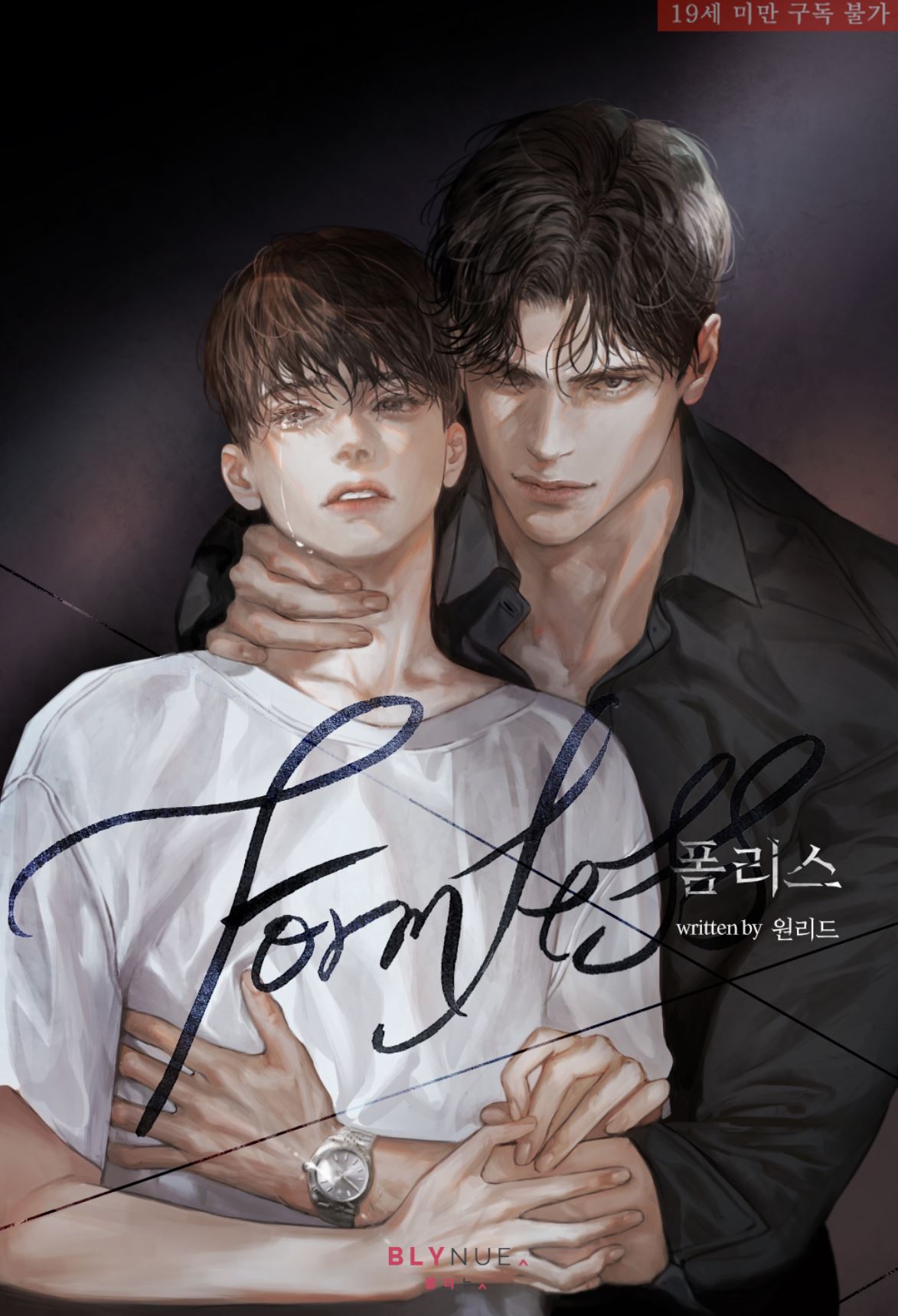
... Read More
Okay so the whole ring thing. I am STILL not over it. You have no idea how much tension this chapter built up and then just... demolished it in the best way possible. Heewoon is over there genuinely panicking, trying to work up the courage to confess, and Kangwoo is sitting there like a smug little cat who already knows everything. The writer had me on the edge of my seat thinking Heewoon was actually going to have this massive emotional conversation about losing something precious, and then BOOM — Kangwoo pulls out the ring from his own fist like 'yeah I caught the pickpocket and broke all his fingers because apparently I have zero chill.' I literally gasped out loud. And then the whole reveal about how Kangwoo watched Heewoon the entire time, noticed every little tell — the missing ring, the awkward walking, the nearly-crying energy — and just let him suffer in ignorant bliss? That's not romance, that's psychological warfare and I am HERE FOR IT. The way the tension resolved was perfect though. Heewoon asking Kangwoo not to take off his ring either, and Kangwoo just... melting. Small gesture, huge payoff. This chapter had everything — dread, humor, relief, sweetness — all wrapped up in one tight little package.
... Read More
"Do you not know about your mother's surgery?" — and just like that, the entire ground beneath Heewoon's feet cracked open. What a brutal way to deploy exposition. The author doesn't give us a gentle buildup; they just drop the bomb directly into Heewoon's hands and watch him try to hold it together. The plot here does something really clever: it takes a relatively quiet afternoon and turns it into the kind of scene that recontextualizes everything that came before. His mother has been carrying this secret, pretending to visit his aunt when really she's hiding surgery, and all of this is layered on top of their existing financial struggles. The aunt's casual delivery — "Oh, that girl. I thought something was off" — is such a perfect narrative choice because it shows how differently people process crisis. The aunt treats it as mundane; Heewoon experiences it as catastrophic. That gap in perception is where the real dramatic tension lives. And then Kangwoo shows up at the worst possible moment, which sets up the next major beat. The pacing here is excellent — the conversation with the aunt is deliberately drawn out with pleasantries first, making the reveal hit even harder when it finally comes. The story trusts the reader to sit in discomfort rather than rushing past it.
... Read More
An operating room. Think about what that space represents. It's supposed to be a place of healing, of saving lives, of science and care. But here? It's been twisted into something sinister— a place where people are about to be dismantled for parts. The irony is so thick you could cut it with... well, with the knife one of the men pulls out later. The tape over Heewoon's mouth is such a loaded detail too. He CAN'T speak. Can't call for help. Can't even scream. It's physical helplessness made literal. And then Kangwoo arrives and suddenly the power dynamic shifts entirely—not through force of arms (though obviously that helped), but through sheer presence. The man who couldn't use his voice suddenly has someone who speaks FOR him. There's also the recurring motif of eyes and vision throughout: Heewoon's pupils moving while his body freezes, Kangwoo's 'cold eyes downcast,' Heewoon watching his brother's face through a mask, the men 'casually' walking past his unconscious mother as if she were furniture. Eyes are how we witness horror, how we connect, how we see salvation arrive. When Kangwoo steps into the light, it's almost a religious moment— not explicitly, but the way the prose treats it, the sensory details flooding in (jawline, lips, the strain in his forehead)... it's like faith made flesh walking through a door. And the phone ringing at the end? Could be help. Could be more danger. Could be the author reminding us that connection— however fragmented— is what keeps these characters alive.
... Read More
"Become a member in my ko-fi to get early releases!" Sorry, wrong text. But honestly that energy IS part of the reading experience. Let me get serious about what this chapter is really about beneath the surface. Food. It's everywhere. The herbal chicken, the ginseng, the garlic, the salt being added, the mouth being fed. Food in this novel isn't just sustenance — it's Kangwoo's primary language of care. He can't say "I'm worried about you" directly, so he makes you a whole chicken and feeds you piece by piece. The head-holding at the beginning mirrors the head-stroking that follows. Both are about control and comfort simultaneously. Kangwoo grips too hard during sex, Heewoon cries, and then Kangwoo's response is to touch him more gently. The progression from painful holding to careful stroking to feeding to hugging — it's a map of how Kangwoo learns to express care without violence. "Is your stomach a little small?" This question about Heewoon's body isn't just about food. It's about capacity. Can Heewoon hold all this? Can he hold this relationship? Can he hold the attention and care being offered without breaking further? The white sheets. The clean room. The domestic order that Kangwoo maintains. This is a man who builds safe spaces for someone he can't quite name his feelings for. The household staff who "probably knew" represents society's judgment — they see the arrangement, they understand the power dynamics, and yet Kangwoo creates this ritual of feeding and caring anyway. The ending — sex refused but not rejected, replaced by a hug and a nap request — suggests that intimacy doesn't always look like the预期. Sometimes it looks like letting someone rest.
... Read More
I keep coming back to the timing of this. The whole chapter feels like it's holding its breath—these two are so happy, so carefree in Rome, eating pizza and walking through squares and Kangwoo is just... loving him openly. And then at the Trevi Fountain, right when you're letting yourself relax into this sweetness, the ground opens up. The pacing is almost cruel in how it works. First you get the ring scene with all that domestic warmth, then the Italy montage that reads like a postcard, then the theft happens with barely any fanfare. Just "The ring was gone" and everything shifts. What struck me most is how the author handles the aftermath—not with drama, but with Heewoon's internal panic. He checks his bag, he tells Kangwoo it's nothing, he searches for ring makers while Kangwoo showers. The tension isn't in action; it's in the silence between what Heewoon thinks and what he says. And that ending, cut off mid-sentence, it's like the chapter itself is holding its breath. You can feel the weight of what comes next pressing down. I want to read the next chapter immediately but I'm also dreading it.
... Read More
I need to stop and just appreciate how the author constructs this one scene because it's doing SO much work. Kangwoo and Heewoon walking to the convenience store together — it reads like a film sequence. You've got the hot summer air, the glare of sunlight, Heewoon wiping sweat with the back of his hand and lifting his long-sleeved shirt to reveal thin wrists. The camera of the prose is literally panning across his body: sweaty forehead, flushed cheeks, damp hair, thin wrists. And then inside the store, the fluorescent coolness hitting them both, Heewoon's voice going soft like 'Oh, it feels cool' and it just... breaks something open. The visual contrast between these two is rendered so economically too. Kangwoo is composed, moving at a 'steady pace,' observing. Heewoon is all flustered energy — 'sparkling eyes,' cheeks rising and sinking repeatedly, hair hanging loose, looking 'doubtful.' The oversized clothes that don't fit him. The white sneakers coming to a 'screeching halt.' Every detail paints a portrait of someone who is physically and emotionally uncentered around this person. Then cut to that evening, the CCTV monitor. Same author, different lens. The frame is tight — zoomed in, slightly blurry, showing Heewoon sitting on the floor behind some trees with a book on his knees and a 'vacant gaze.' It's haunting. There's something deeply unsettling about watching someone through a screen like they're content, and the text makes you feel exactly that wrongness. The trees as camouflage, the intentional placement of the camera, the fact that Heewoon is 'too careless' — it turns his own devotion into evidence against him. And the price tags! Six hundred won versus a thousand. The author keeps coming back to cost, to value, to cheapness. The bread Heewoon eats daily. The 'obviously cheap, sweet smell' of the drink. These aren't random details — they're building a whole sensory world where everything has a price and nothing is quite what it seems.
... Read More
Let's talk about Kangwoo for a sec because this man is absolutely delusional in the best way possible. Here's someone who gets handed a bouquet, pretends he doesn't want it, then totally flips when Heewoon asks if they should trash it—AND PINCHES HIS CHEEK LIKE THAT'S NORMAL INTERPERSONAL DYNAMICS. The power play here is insane. Kangwoo isn't just teasing, he's actively testing boundaries and Heewoon is so soft about it, just holding onto flowers like a scared puppy. But then you get to that bedroom scene and everything shifts. Kangwoo standing in the hallway, arms outstretched like he's been waiting. That's not just flirtation, that's devotion dressed up as smugness. And Heewoon's internal monologue about how being with Kangwoo feels MORE comfortable than being with his mother?? That hit me like a truck. This kid has been carrying so much—his mom's grief, his brother's absence, pretending to go out for tutoring just to escape—and Kangwoo becomes this safe harbor without even trying. The line 'I told you that you can call me when you miss me' followed by Heewoon's quiet deflection is such a perfect character moment. Kangwoo wants accountability; Heewoon wants to feel like he's in control. Neither will admit what they actually feel. And that's the whole dynamic right there. Also: the dried Sinensis on the table instead of a painting? Kangwoo replacing something permanent with something preserved-but-dead? That's not nothing.
... Read More
I am genuinely struggling with Seo Kangwoo as a character and I don't know whether I'm horrified or fascinated. The way he assaulted Lee Hyukjin — smashed his head with glass, literally — and then comes back to class the next day with a bandage on his beautiful hand and acts like absolutely nothing happened. Like he went out and casually committed a serious crime before breakfast. "How was I?" he whispers to Heewoon afterward. He wants feedback on his violence. Feedback. As if assaulting someone is a group presentation he wants constructive criticism on. And the worst part? Heewoon knows. Heewoon thinks, "Seo Kangwoo is a madman. Whatever the reason, it was Seo Kangwoo who committed it, and it had nothing to do with him." He tries to distance himself. He tries to see Kangwoo as purely irrational so he doesn't have to feel responsible. But then Kangwoo grabs his neck in the car, pulls his hair until his scalp feels like it's going to tear off, and threatens him with that same bandaged hand. And Heewoon starts crying. Not from pain — from the sheer overwhelming weight of existing in a world where Kangwoo can commit violence and ask about his presentation grade in the same breath. This relationship isn't romance. It's not even abuse in the traditional sense, because abuse implies some twisted form of care underneath. Kangwoo seems to genuinely enjoy Heewoon's presence but also enjoys breaking him. There is no sweet spot. There is only Kangwoo's mood, and Heewoon's survival depends on reading it correctly, like defusing a bomb blindfolded.
... Read More
I've been thinking about the passport in this chapter and honestly it's one of the most layered symbols I've encountered recently. At the beginning of the story, Heewoon used to constantly touch his passport, dreaming of escape. It represented freedom, a way out, a future. By these chapters, he hasn't touched it in a long time — he was planning for a future IN Korea. Online classes, company applications, normal stuff. The passport had become irrelevant. But then Heehyun needs it. And suddenly it's the most important object in the room again. The mother produces two passports from a drawer like she's been keeping them ready. Ready for what? For this moment? Or for the moment their father left? The ambiguity is intentional and it hurts. The number 300 million also feels symbolic beyond just being a plot device. It's the exact amount needed to buy three years of life. Not freedom — just temporary survival. The debt isn't just financial; it's existential. Every won they owe is a day of their life they don't own. And Heewoon's internal line: "It felt like his insides had been hollowed out." This isn't just about money. It's about the hollowness of hope that was built on lies. He lived with purpose for years — saving, planning, believing — and his brother's actions rendered it meaningless. The real tragedy isn't the debt. It's that everything Heewoon believed in (hard work pays off, planning creates a future) has been exposed as a fantasy. What do you build on when your foundation was sand?

Leave a comment

You must be logged in to leave comments. or
