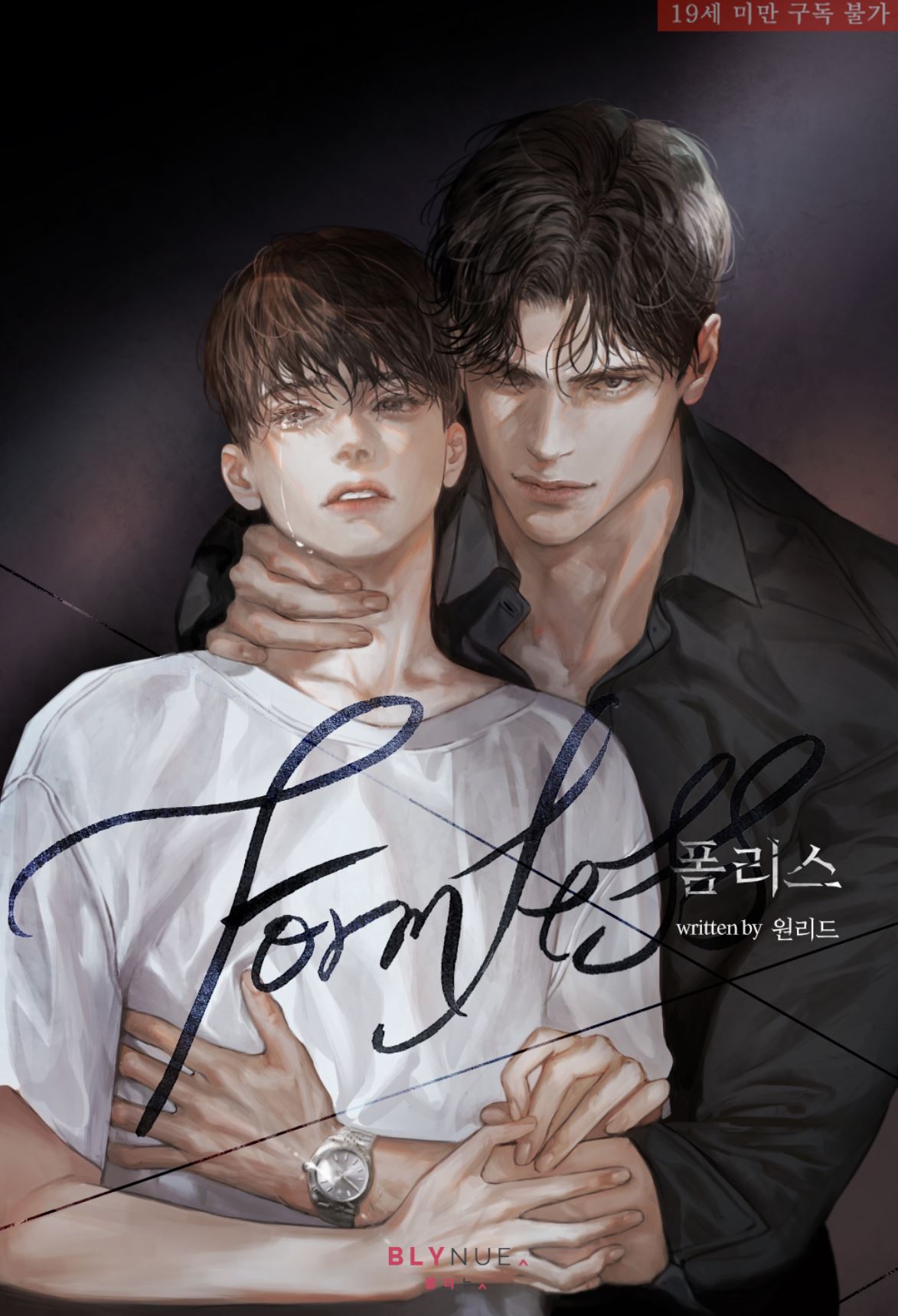
This passage is a masterclass in pacing that feels like slow strangulation. The author has built something genuinely horrifying through temporal manipulation, and I need to unpack how.
The entire first section operates on clock time, and that's intentional. The author keeps inserting timestamps like anchors: 6:03 PM, then 6:35, then watching for 7:00. Each timestamp marks Heewoon's failed attempts at autonomy. He thinks three minutes past six means he has control. He believes staying in the shower until five to seven gives him safety. But time is not on his side — it's being used against him.
The shower sequence itself is brilliant pacing architecture. Heewoon undresses slowly, brushes teeth twice, shampoos twice, washes body twice — the repetition creates elongated tension. We feel every second. The author forces us to wait alongside him, creating complicity in his panic. When he checks the watch again and it's 6:35, he's confused — "He felt like it should have been at least an hour." That discrepancy between perceived time and actual time is the experience of trauma. The reader understands viscerally.
Then Kangwoo appears. The pacing shifts instantly from slow dread to sharp terror. No buildup, no warning — just presence. The transition from bathroom to bedroom to bed happens in a breathless rush, mirroring Heewoon's loss of control. The author stops giving us timestamps once Heewoon is on that bed. Time has abandoned him.
The structural choice to include the tutoring scene afterward is significant. We move from intimate violation to public performance. Heewoon must compose himself, show up, be professional. The chapter structure demands this whiplash — we're not allowed to rest in the horror. Life continues, and that continuation is its own violence.
The student's dialogue comes fast, almost comedic in its casual cruelty: "Aren't you being a bit too unmannered lately?" This juxtaposition is jarring and necessary. The author refuses to let us cozy up to the darkness. Just when we've settled into Heewoon's suffering, the narrative pivots to social judgment.
The ending lands on Heewoon staring out the bus window, phone in hand, pho cut off mid-sentence. The structure mirrors his fragmentation — the narrative itself breaks off, leaving us suspended. We don't get resolution. We get blankness. The pacing refuses to comfort us.
What makes this structural genius is how the author uses silence and absence. Kangwoo's threats are often implied rather than stated. Heewoon's tears are absent from the prose — we never see them, only his terror. The gaps between words become as significant as the words themselves. The structure itself becomes a cage.