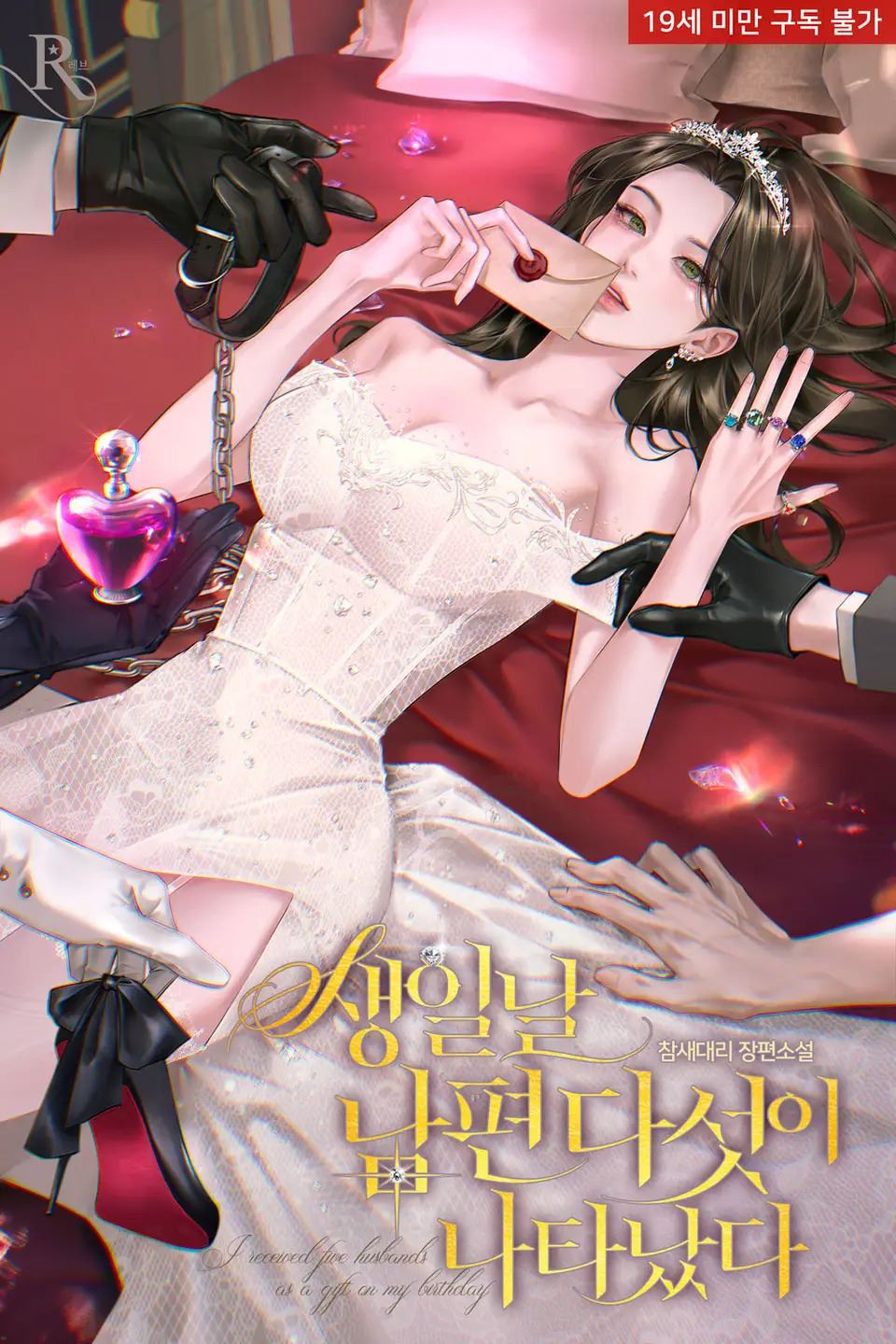
The sensory details in this text are doing a lot of heavy lifting. Let me start with that opening bedroom scene because the author paints it with such deliberate contrast.
"Her pale skin... was bathed in the orange glow of the lamp." That orange light is doing something interesting—it's making everything feel warm and intimate and almost nostalgic, like a painting you'd hang in a manor house. Then there's the man's member described as "like a snake slithering through the underbrush" with violet eyes reflecting the same eerie glow. The animalistic imagery keeps invading the romantic scene, which tells me something important about this world: desire here is dangerous, untamed, predatory.
The mansion setting is telling us about class without being explicit. Prime land in the capital, grand mansion, the weight of viscount titles. But what's fascinating is how the domestic spaces feel claustrophobic. Her room gets stolen by Apollin. The academic world she inhabited becomes irrelevant the moment her father dies. She moves out, becomes alone, and then—suddenly surrounded by five men in a bedroom that might as well be a cage.
I also noticed the visual motif of eyes. Amber eyes (Eugenie and her mother), sky-blue eyes (the Agatha-Apollin duo described as porcelain dolls), violet eyes (the Duke), green eyes (Percival), red eyes (Cassius), ice-blue eyes (Carter). Every character is defined by their eye color. This feels intentional—like the author is building a world where people are seen before they're understood, where appearance is the primary currency.
The academy scenes, though brief, create this academic elegance that contrasts sharply with the bedroom scenes. Tea time invitations, thesis work, valedictorian speeches—these establish a world of intellect and refinement that gets completely upended once the five husbands enter her life.