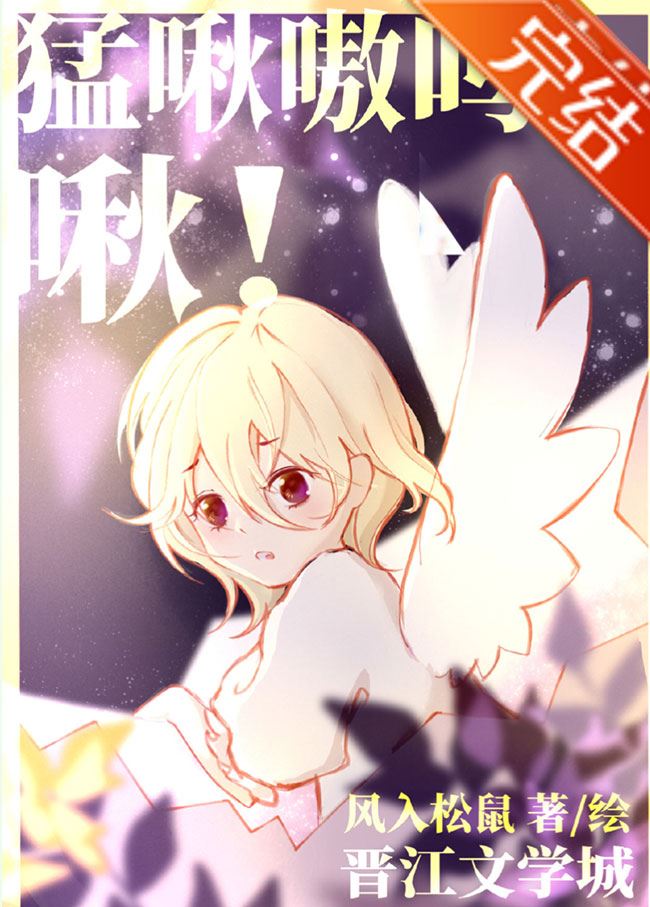
"Jiujiu??"
Two syllables and an interrogative particle. That's how Qiu Qiu expresses distress. And somehow it's one of the most emotionally resonant lines in the entire text.
The dialogue here operates on multiple levels because most of it isn't spoken at all. Qiu Qiu communicates through chirps, through body language, through the way he curls up in palms or hides in hair. And yet we understand him perfectly. That's brilliant narrative voice — the author trusts us to read between the lines, to interpret silence as meaningfully as speech.
Qiu Yiming's internal monologue is where the humor lives. "Wait, what kind of nonsense are you talking about? What can he hit if he fall on the palm of your hand? Damn, so what should I say is the correct way to communicate...?" This is such authentic panic. The stream-of-consciousness quality, the self-interruptions, the desperate search for the right words — it feels like watching someone's brain short-circuit in real time.
Then there's Qiu Jingyu, who barely speaks but when he does, it carries weight. "Can you give me and Dr. Claire a feather?" The addition of "and Dr. Claire" is everything. It's inclusive, diplomatic, softening a request that could've been demands. This is a character who normally commands, but learns to ask.
Claire's dialogue is pure comic relief with functional exposition. His beard-pulling, his empathy about feather extraction, his explanation of prophecy mechanics — all delivered with the cadence of a slightly dramatic elderly man who takes his profession very seriously.
And the system narrator? "Why do these perverts keep staring at their host's ass? Although the fat and round butt is really cute~" This voice breaks the fourth wall with casual judgment, creating a running commentary that undercuts tension while deepening affection for the characters.
The text also embeds internet culture naturally — [Cough, it seems like this. It looks like there is a plan.], Thinking in Pain.jpg, Listen to your sophistry indifferently.jpg — these parenthetical asides feel native to how young readers actually communicate, making the dialogue contemporary without feeling forced.