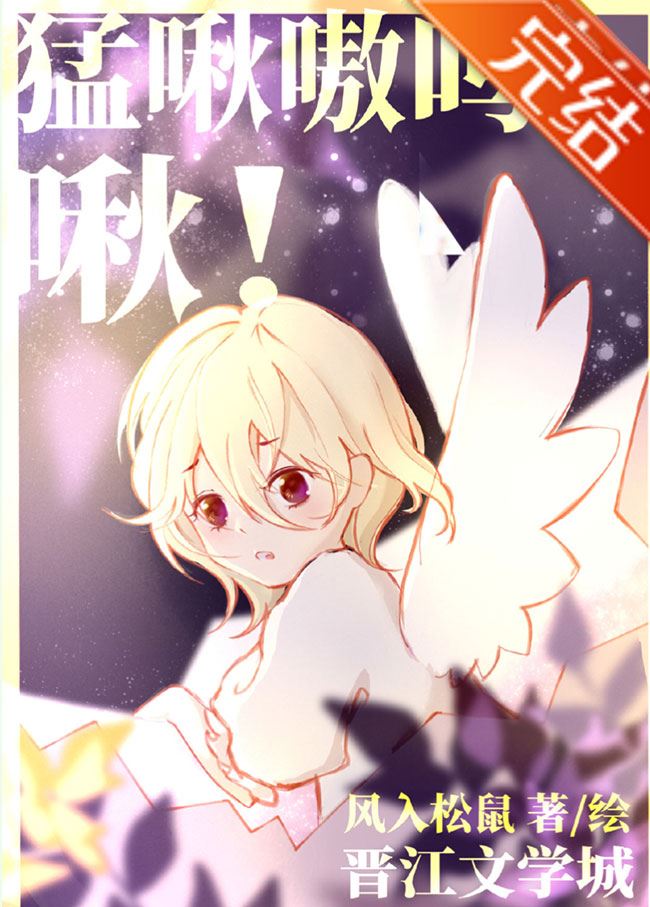
The imagery in these chapters is actually devastating in how quietly it works. Let me start with the feather itself—that 'soft, milky-golden tail feather' that 'swayed lightly, forming a ball of burning, dreamy light and shadow.' You don't just see it; you feel the warmth of it. The translator nailed the texture. It's luminous in a way that makes the reader understand why every character in this story treats it like a sacred object, because the writing makes it sacred too.
Then there's the study scene with Qiu Yiming, half a person high in books, scrambling to catch a planetary globe that nearly falls. The mess is so specific, so lived-in. This isn't a generic 'rich person's library'; it's a space where a child's astronomy competition souvenir sits dangerously close to a teenager's obsessive research. The detail about the planetarium being a prize from 'elementary school' hit me unexpectedly. It tells us everything about Qiu Jingyu—the eldest, now moved out, still keeping his childhood objects intact—without ever stating it directly.
The interior spaces feel layered. The cushion where Qiu Qiu huddles, the flower basket he hides in (adorably desperate), the drawer with ointment, the photo frame holding the prophecy painting. Every object has emotional weight. The photo frame described as 'like a miniature version of the prophecy painting' is such a subtle detail—it suggests the prophecy isn't some distant abstract concept but something displayed in a home, treated like family portraiture.
And the interstellar forest mention? Just one phrase, casually dropped like the father 'went to the interstellar forest in person.' But it opens up a whole cosmos. This isn't Earth. This is a world where families hunt in alien woods, where beasts transform, where children win astronomy competitions and keep their prizes on desks. The worldbuilding works because it's never explained—it's just assumed, and that assumption makes it feel real. You're dropped into the middle of a civilization and expected to understand it through objects, gestures, and casual references. That's how memory works, that's how homes feel, and that's why this world lives.