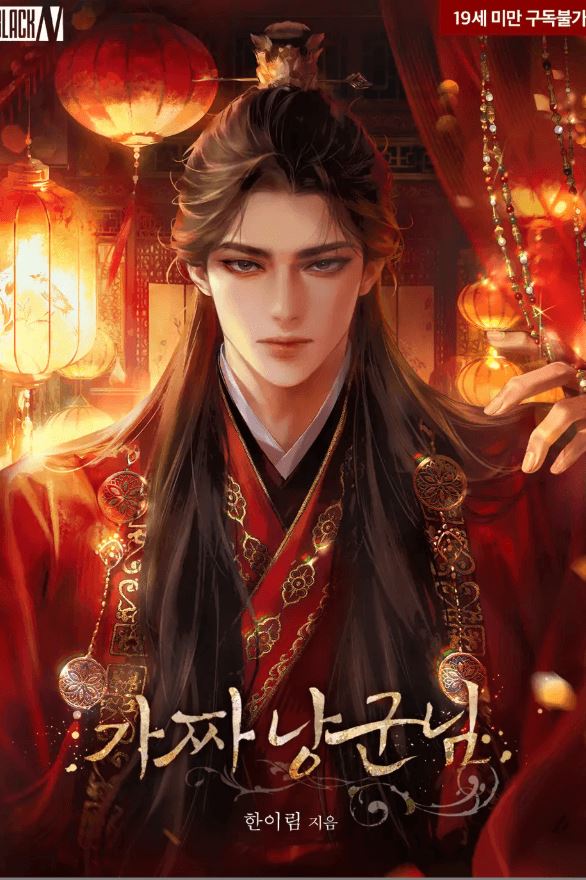
Let's talk atmosphere because this chapter is VISUAL even though the protagonist can't see half the time. The opening carriage scene hits you with immediate claustrophobia — she's pressed against a wall, someone grabs her, her air gets cut off. The sensory details do the heavy lifting here: the thud of bodies dropping, the creak of the coach stopping, the overgrown path where carriages can't follow. You know exactly where you are. The author isn't showing off — they're building a world you can navigate blindfolded.
And then there's the river scene, which is genuinely cinematic. A small ferry with red silk decorations swaying on dark water, a coachman climbing aboard like a nightmare, and then this massive pleasure craft appearing out of nowhere with a figure in black at its bow, hair whipping in the wind. 'A man cloaked head to toe in black, his hair whipping in the wind as he stared directly at her.' That's a movie shot. I paused reading because I could literally see it.
The Yeonmowon scenes are a different kind of beautiful. The house Na Ryeo-eun left behind, the small room tucked in a corner that's perfect for someone who can't see — practical, lived-in details that tell us everything about her life without exposition dumps. The peach tree outside her window, branches close enough to reach when it blooms. And Hyang-eum brewing medicine — the smell drifting through the air, the bitter taste, the steam. These ordinary moments matter because they're the only safe spaces Woo-hye has. The contrast between the violent world outside (kidnappings, poison, assassination) and this quiet room with its peach blossoms and warm medicine is what makes the setting feel alive. The world isn't just backdrop — it's a character that either threatens her or shelters her.