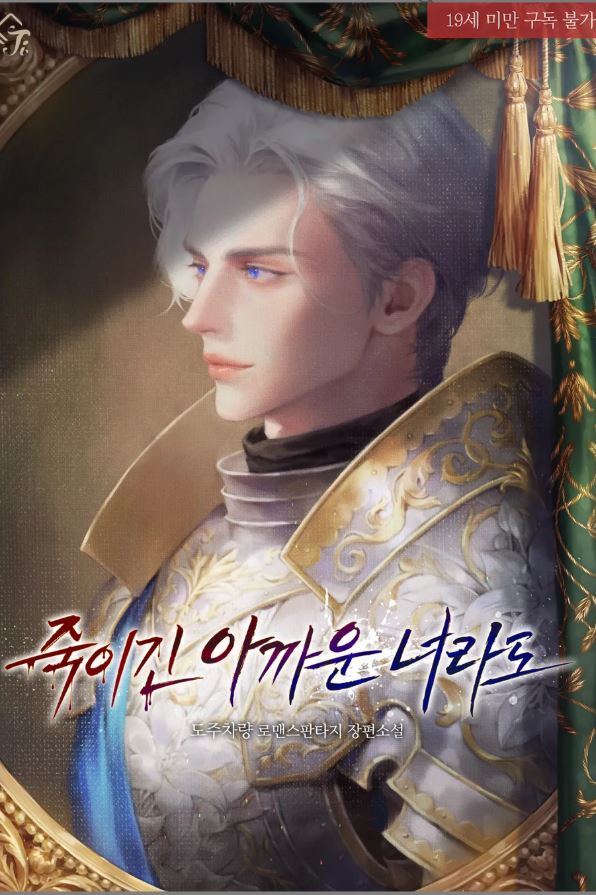
Wait, did I just read two weddings in one go? One feels like a pastoral romance, the other like a political thriller dressed in silk. And that's exactly what makes this arc so addictive. The plot doesn't just move forward—it loops back on itself, layering past and present like a pastry with too many flaky bits. First, we get the field wedding: simple, sun-drenched, full of village superstitions and wooden mugs of ale. It's the kind of scene that makes you want to close your eyes and breathe in the summer. Then—bam—we're shoved into an imperial chapel where the vows have been secretly rewritten and the bride looks like she's attending her own funeral. The contrast isn't just tonal; it's structural. The author is playing with time, with memory, with the idea that marriage can be both a sanctuary and a trap. What struck me most is how the plot threads are woven through small, almost casual details: the altered vows, the unfamiliar priest, the Emperor's sudden appearance, the Line family's heresy accusation looming in the background like storm clouds. None of it is explained outright. You're supposed to feel the disorientation Isabelle feels. And yet, the plot never feels chaotic. Every thread pulls tight enough to keep you leaning forward. The rural wedding scene isn't just a flashback or a fantasy—it's a parallel timeline that mirrors and comments on the present one. The superstition about worn shoes, the toast-blessing ritual, the way Tenetta insists on her heel height—these aren't just worldbuilding flourishes. They're plot devices that reveal character and foreshadow conflict. I especially loved the moment when Tenetta changes the vows. It's a quiet rebellion, a secret promise wrapped in religious ceremony. And Isabelle's realization—*he altered the vows*—hits like a physical blow. The plot here isn't just about what happens; it's about what's hidden beneath what happens. I kept flipping back, trying to catch clues I'd missed. Did she know about the vow change beforehand? Is this marriage a genuine union or a strategic alliance? The text leaves it deliciously ambiguous. One thing's clear: the author trusts the reader to connect dots across timelines. And when those dots finally align, it's going to feel like a masterstroke. I'm halfway between thrilled and terrified. What happens next when the past and present collide? Will Isabelle uncover the full truth, or will she keep dancing on the edge of a knife?