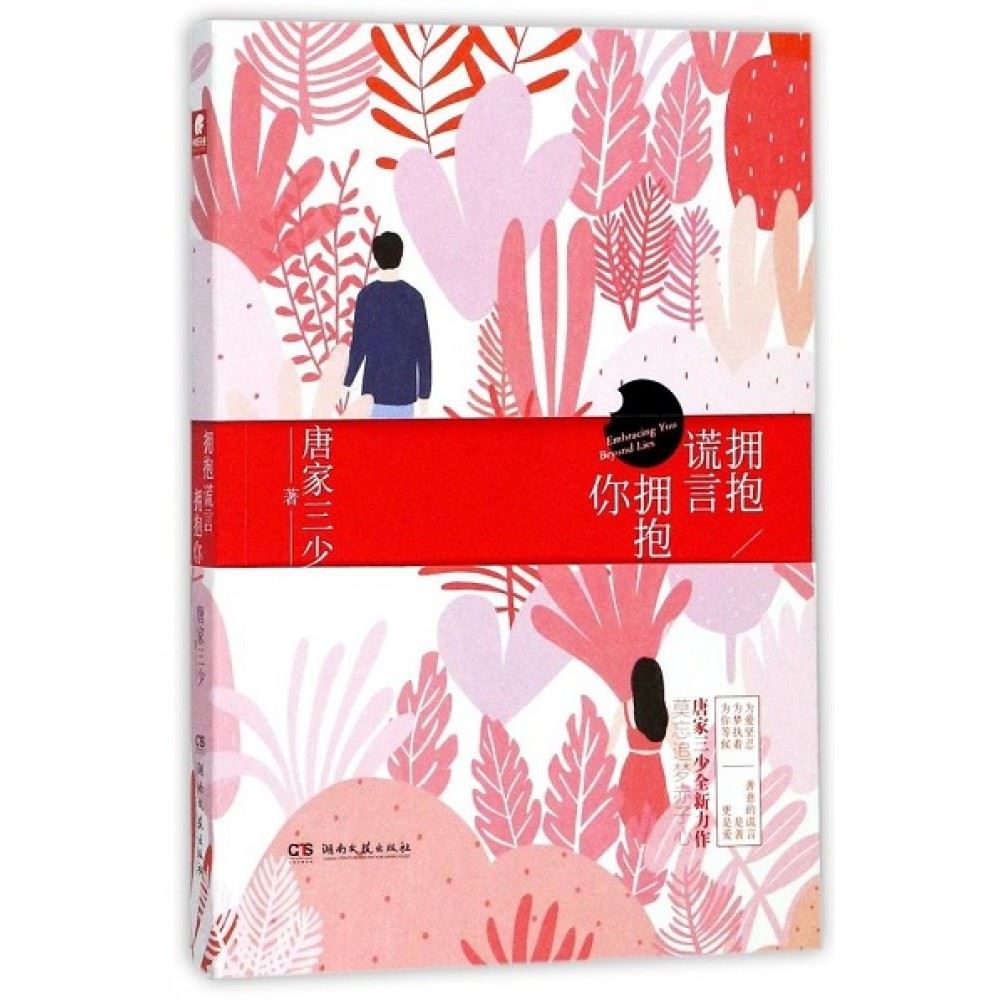
There's a watermelon in these chapters, and I couldn't stop thinking about it. “Today is the beginning of autumn. In my hometown, it's customary to eat a watermelon. What about you?” On the surface, this is small-talk romance—two young lovers trying to find traditions to share. But underneath, it's about memory, displacement, and the desperate human need to impose ritual on chaos. Jiang Nan is buying a watermelon at a fruit stand near Zeng Yu's apartment complex, and she's trying to stitch her past onto their present like a patch on a torn jacket. She wants to believe in customs, in cyclical time, in the idea that autumn arrives and we mark it together. But Zeng Yu doesn't know this tradition. He's from somewhere else, or nowhere at all—just a guy working late in a stuffy office. And yet, his response is perfect: “I didn't want to lie to you.” He won't fake a tradition just to make her feel rooted. He'll offer honesty instead.
Then there are the damp clothes. Jiang Nan wakes to find her worn clothes “freshly washed and nearly dry,” hanging on a wire. This image—laundry as love letter—haunts me. She changed in his apartment, slept there, and he did what any partner would do: he washed her clothes. But the author makes it ache by specifying that they're “still slightly damp” when she dresses. She's wearing his care, literally, against her skin, and it's uncomfortable, slightly wrong, and deeply intimate all at once. And the lamp still on when she wakes—that's the third symbol, the one that ties everything together. Love isn't a grand gesture; it's a light left burning all night for someone you're too tired to wake. The whole chapter is about the mythology we build around ordinary survival. We tell ourselves stories about autumn traditions and romantic nights and wedding dresses, but the real story is a woman falling asleep on a couch and a man watching her, too exhausted to move, too in love to leave.