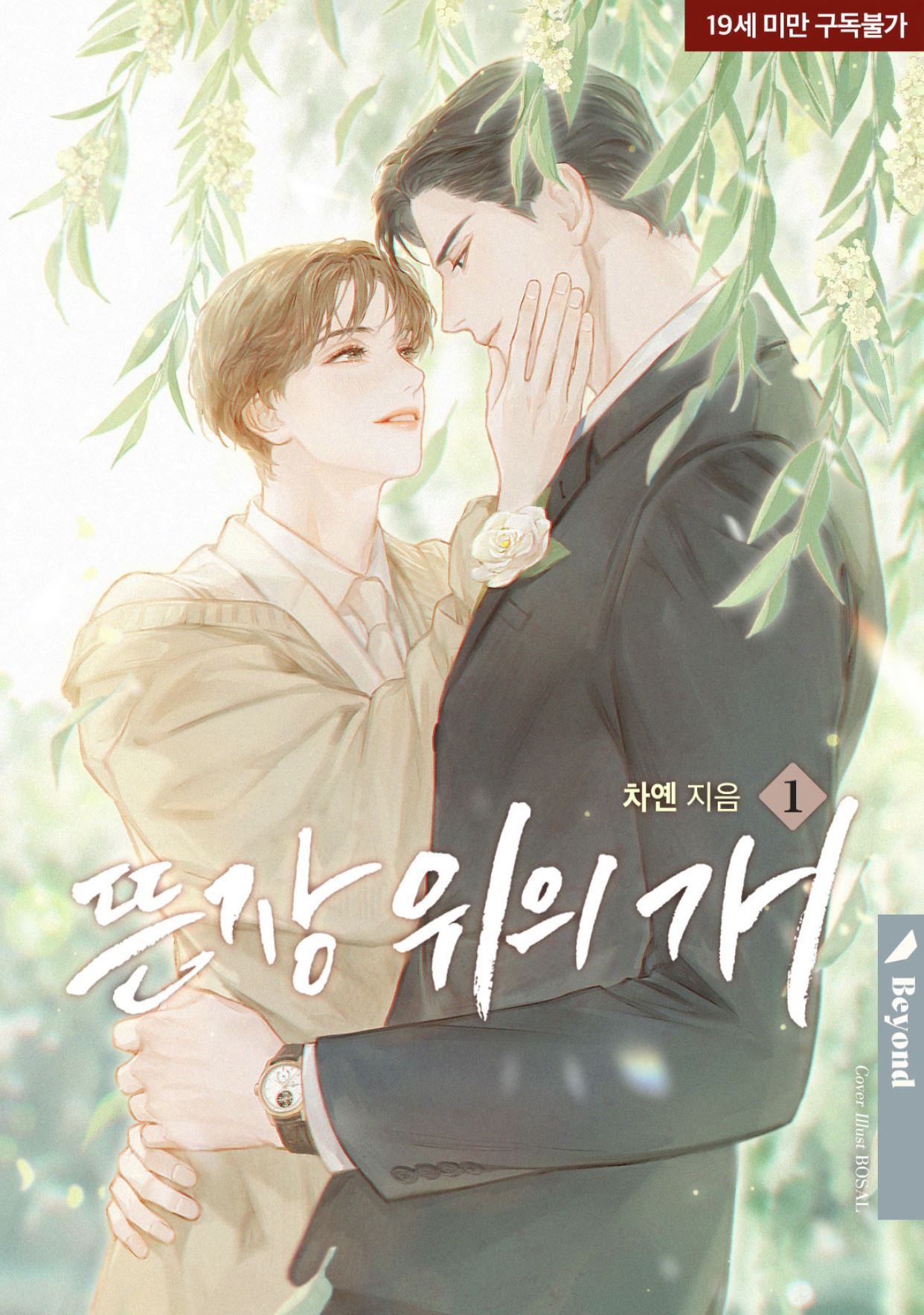
Let's talk about the turtleneck. On the surface, it's just clothing—a soft knitted garment that brushed against Jung Heeyeon's chin. But Director Yeon gives it to him specifically to hide the bite mark. The fabric becomes a symbol of concealment, of making the invisible visible and then covering it up again. 'So he had given him this sweater specifically so his neck wouldn't be seen.' What's being hidden? The proof of possession. The evidence that Director Yeon marked this omega as his own.
Then there's the biting itself. Jung Heeyeon is confused—'biting isn't different [from affection]?' He knows it shouldn't hurt. But the text reveals: 'There was only one reason why someone would bite another person's skin—To endure pain.' Biting is punishment masquerading as love. And Director Yeon's justification—that it's 'affectionate'—is gaslighting dressed in alpha-instinct language. The bite mark becomes a symbol of how abuse gets reframed as care.
But the word that haunts me most is 'baby.' Director Yeon calls Jung Heeyeon a baby when he refuses to let him bite back. 'Because my Heeyeon is still a baby.' Infantalization as control. If you're a baby, you can't understand. If you're a baby, you shouldn't ask questions. If you're a baby, your confusion is cute, not concerning. Jung Heeyeon's entire emotional education is wrapped up in this word—'baby' means obedient, means compliant, means silent during pain. The physician's diagnosis of 'emotional deprivation syndrome' connects directly to this: Jung Heeyeon was never allowed to grow up emotionally because growing up means developing independence, and independence threatens the power structure.
And the injections themselves—what do they symbolize? 'Over the years, administered infertility injections to a dominant omega—something that went beyond mere lack of ethics.' These aren't just medical procedures; they're tools of population control, of ensuring Jung Heeyeon can never reproduce outside the Chairman's arrangements. His body is managed, his fertility is chemically suppressed, his emotions are surgically removed. The 'familiar pain that always followed an injection' isn't occasional suffering—it's routine, systematic, EXPECTED.
What this story is really about beneath the surface: love as ownership, care as control, protection as imprisonment. The turtleneck hides the mark, but the mark reveals everything. And Jung Heeyeon's silence—'he had merely accepted it without much thought'—is the most tragic symbol of all.