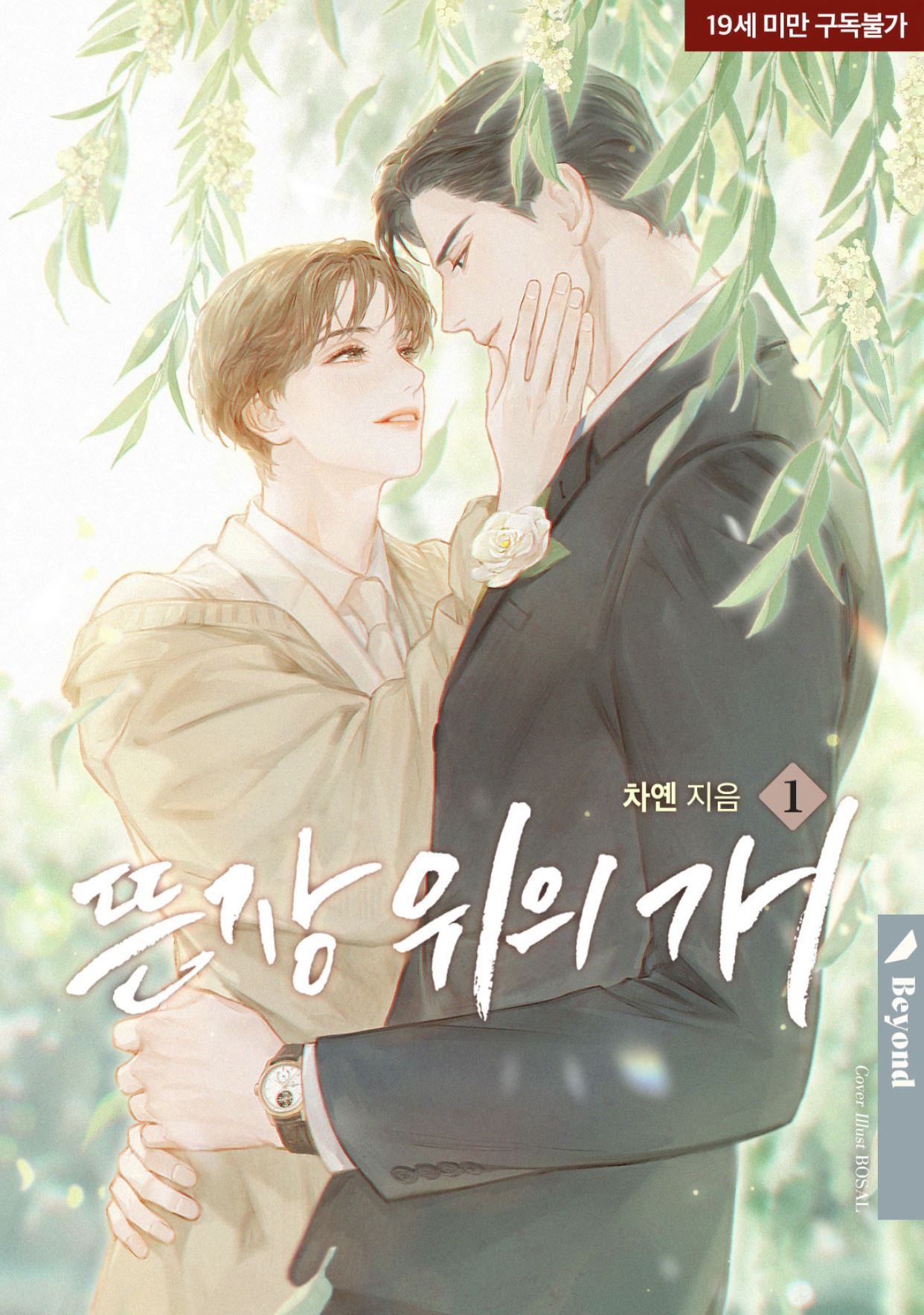
Dialogue here is sparse but loaded. Director Yeon speaks gently, almost softly, but his words carry weight. “Come here.” “Are you curious?” Short, imperative, yet open-ended. Jung Heeyeon's voice is hesitant, questioning: “May I… ask your name?” The ellipsis matters—it's not confidence; it's a tentative reach. And then the reply: “Heeyeon.” Just one syllable, repeated like a promise or a punishment. It's ambiguous—does he mean *my* name is Heeyeon? Or is he giving Jung Heeyeon his name? The dialogue doesn't explain; it invites interpretation. Nam Soohyun's lines are sharper, playful: “Take care, sweetheart,” with a wink. She's testing boundaries,搅乱着平静. Even Kim Jiwon's dialogue is functional but warm—offering fridge space, asking about rice cake soup. It grounds the story in reality. The narrative voice itself is close third-person, slipping into Jung Heeyeon's head (“What's wrong with me…”) and Director Yeon's impulses (“he couldn't bear it”). The prose flows like a slow conversation, with pauses that speak volumes. I love how the author uses silence as dialogue—the terrace scene is mostly gestures, glances, and smoke. When words finally come, they're weighted. It's elegant, restrained, and deeply effective. This isn't exposition; it's revelation through implication.