There's a recurring motif in these chapters that I can't stop thinking about: the idea of seasons, of transitions, of things changing whether you want them to or not.
Wendy's debut is framed as a transformation—she's no longer a child, she's suddenly expected to be an adult, to navigate balls and conversations and the terrifying prospect of romance. But the world doesn't actually treat her differently. Lucas still sees her as the little girl he's known for six years. The Dowager Duchess evaluates her like livestock. Her own mother hopes she'll marry a second son who won't demand too much.
And then there's autumn. "This must be what the loneliness of autumn feels like." Wendy used to love winter—that harsh, beautiful season that promised something. But now that she's an adult, autumn just feels empty. The leaves fall, the world gets quieter, and she's left sitting on a staircase wondering what she was supposed to become.
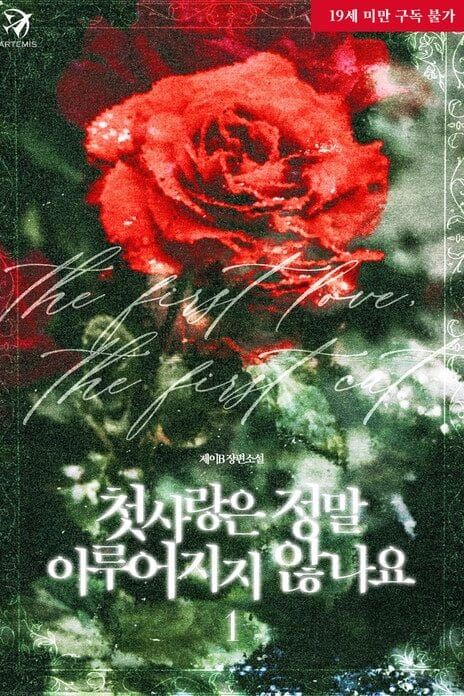
The roses are interesting too. Lucas notices "a faint scent of roses" on Wendy and admires the Countess's taste, but he calls it a "real flower" as if distinguishing it from something artificial. There's something almost clinical about his observation—he appreciates the aesthetic without understanding the emotion behind it. The rose is beautiful, yes, but it's also just... there. Something to be admired from a distance.
Then there's the promise itself. A promise made when Wendy was a child, kept when she became an adult, and it means absolutely nothing. Or rather, it means something entirely different to the two of them. To Wendy, it was a milestone, a sign that maybe—just maybe—things could change. To Lucas, it was a chore completed, a debt paid. "As expected, Lucas hadn't forgotten the promise." The phrase itself is telling. It wasn't hope; it was obligation.
I keep thinking about that image of Wendy curling into herself on the staircase. The autumn leaves falling outside. The reading club happening indoors, people discussing literature about second springs, while she sits alone feeling like her season has already passed. The author is weaving this theme of misplaced timing throughout—Wendy is entering her romantic season at the same moment everyone around her is treating her like a child. The symbolism of autumn as a time of beauty and decay, of letting go and preparation for dormancy, is deeply connected to Wendy's emotional state. She's not quite dead inside, but she's not flourishing either. She's existing in that strange liminal space between childhood certainty and adult reality, and the loneliness of it is palpable.
What do you think is going to happen when she finally stops waiting for Lucas to see her differently? Does she have to lose something—or someone—to really grow up?