Do Not Love Miserably - Reviews

Do Not Love Miserably
+Add to Custom List
Sort
Add review
... Read More
There is so much going on symbolically in these chapters and I keep coming back to the idea of shoes and visibility. Hazel kicks off her shoes because they're painful—both literally and metaphorically. She's been walking in pain for so long, enduring social situations that punish her body and her spirit. The blanket she wraps around herself is armor. She's trying to make herself smaller, less visible, less of a target. And Kyle sees through it immediately. He notices the shoes. He notices her trying to hide them when someone might knock. He notices everything. The proposal itself is steeped in symbolism. In every culture, kneeling is submission—and here is Kyle Strauss, the man who has always looked down on Hazel (literally and figuratively), the man who stood above her at the theater and pretended not to know her, who has always been the tree and she the ground—now on his knees. But it's not romantic submission. It's strategic. It's a businessman presenting terms. And yet, watching him look up at her with “infinite seriousness,” you wonder how much of this performance is real and how much is just the only language he knows. Then there's the red neon sign. Light that buzzes and flickers, artificial and garish, casting everything in an unnatural color. Hazel sees it behind Kyle's face and it merges with the memory of the streetlamp—another artificial light, another moment where she saw him differently. These lights are witnesses to their broken history, illuminating truths neither of them wants to face.
... Read More
Okay so the political plotline in this section is genuinely wild and I have so many questions. King Joseph III just casually drops this plan to adopt Hazel into the Fitzroy noble family and potentially marry her to the Prince. Let me unpack why this is either incredibly clever or incredibly dangerous. The rationale he gives is that nobles' loyalty has declined, the bourgeoisie has risen, and a commoner elevated by royal favor would serve as a 'shield'— basically propaganda to make the public admire the royal family's generosity. Meanwhile, the Prince needs a suitable match. So Hazel goes from grieving sister to political pawn in about three paragraphs. But here's what bothers me: the Fitzroys specifically. The text tells us they refused to adopt anyone because they loved their dead daughter and son-in-law too much, choosing instead to pass everything to a younger sibling. They were GRIEVING too, but the King doesn't seem to care at all. He just leaves them 'fallen into confusion' and goes to pick his ear like this was a trivial matter. Then he says he'll summon Captain Bennett's father to meet with him. What does THAT mean? Is he planning to offer the father some kind of deal? Compensation? A title? And what about the rumor that the Prince drove Colin to his death in Reto? That's floating around Bukata and the King is trying to manage the narrative while his son potentially murdered an innocent soldier. The plot is stacking layers on top of layers and I am HERE for it.
... Read More
There are so many layered symbols in this passage that I honestly had to re-read it twice to catch everything, and even then I'm sure I missed some. Hair first. The wheat-colored strand stuck to Hazel's lips isn't just a detail—it's the physical manifestation of everything that's been left undone between these two. It's disordered, unwanted, intrusive. Kyle notices it immediately. He can't NOT notice it. And when he fixes it, strand by strand, he's also fixing something between them—reordering the chaos that five years of silence has created. But he can only touch her hair. Not her hand. Not her face. Just the hair. The part of her that's closest to her thoughts and her voice but still不属于 to her. Darkness is doing a lot of heavy lifting here too. Bukata at night is a place where things are hidden—illegal inns, cars without lights, faces covered. But it's also a place of revelation. In darkness, Hazel sees things she wouldn't have noticed in daylight. Kyle sees Hazel differently. The streetlamp creates pools of light and shadow that mirror their relationship—illuminating some things while leaving everything else obscured. "Perhaps because she did not notice the gaze boring into her, Hazel's expression remained calm." That gaze that bored into her before he even spoke—this is a man who has been watching her from afar for years, and the darkness allows him to do what he couldn't do in daylight. The apartment itself is symbolic. Four stories. Empty except for servants who live there but aren't present. A house full of expensive objects that Hazel is afraid to touch. This is Kyle's life—structured, ordered, materially rich, and profoundly lonely. The gramophone and telephone are instruments of connection that no one is using. He offers her tea while pouring liquor for himself, two drinks for two different kinds of solitude. And the newspaper—a recurring motif of indirect communication. They learn about each other through printed words, through third-party sources, through the mediation of public record rather than personal contact. The very things that should connect them are the things that keep them apart.
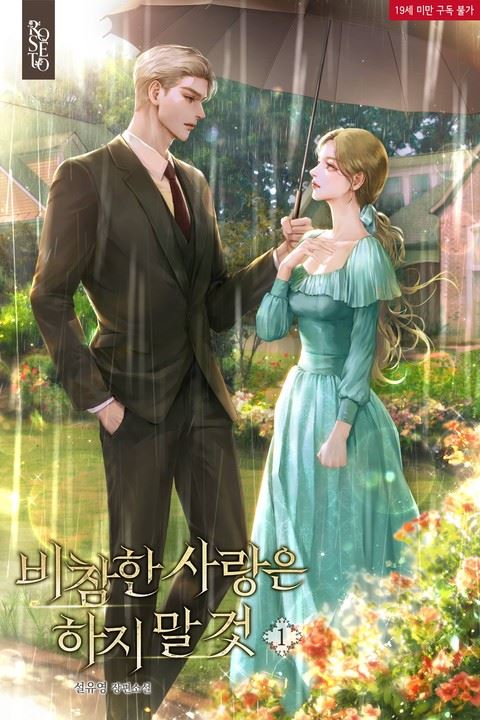
... Read More
Let me just say — this author has NO mercy when it comes to pacing and I respect it so much. Chapter 9 opens with the party atmosphere, builds this whole scene of Hazel and Eugene's awkward exchange, then Kyle literally arrives through an elevator and the entire room freezes. That's chapter 9 right there: setup, disruption, tension, and Kyle's almost-but-not-really glance at Hazel. And then Chapter 10 immediately pivots to Hazel alone in a bathroom processing what he said. Boom. Emotional gut punch in the very next beat. But then — get this — the author DOES NOT let us wallow. After Hazel's bathroom moment, there's a WHOLE new thread introduced: Yuan's scene with his mother Eliya, dropping the revelation that he's actually Strauss royalty. Then another scene break to Kyle on a beach discussing hotel strategy with the Viscount. Three separate narrative threads in three paragraphs, each one carrying its own emotional or informational weight. What's brilliant is that none of them drag. The Helen's realization scene doesn't overstay its welcome — she has her moment, makes her decision about finding someone better, and we move on. The Yuan reveal is short but lands like a truck. The business strategy section actually feels necessary and propels the political plot forward without boring us. And that ending cliffhanger about the transportation issue in Westburn? Perfect. Just enough unresolved tension to make me open the next chapter immediately. The author knows exactly when to cut away and when to linger.
... Read More
OK so I need to talk about this genius twist because I literally did not see it coming and now I'm screaming into my pillow. Eugene Fawkes the Criscentian reporter who kept bothering Hazel? Turns out his REAL name is Yuan Strauss. So basically the whole time we thought this was some friendly journalist asking her questions, but he's actually the long-lost son of the family that essentially kicked Kyle out years ago. The mother is Eliya Strauss. This changes EVERYTHING about how we're supposed to read those earlier scenes with him. And let me tell you, the political landscape of this story is layered like crazy. We've got the main power struggle: Kyle vs. Eliya and 'the Strauss' establishment that exiled him. But then on top of that there's Viscount Dietrich who's backing Kyle with this new Westburn hotel project, and the whole thing is about building a rival hotel chain to bring Eliya down. The Earl Nett detail about selling that beach land — it's not just world-building fluff, it's actual strategy in motion. The party scene where Kyle walks in and suddenly everyone's attention shifts? That's not just drama, that's the story telling us that HE belongs in this world now despite being cast out before. And then Hazel? She's the wildcard nobody's calculated for. She's literally an outsider — she admits it herself, saying 'They were in the same space, but their worlds were different.' But what's funny is that both Kyle and Yuan seem equally fascinated by her from completely different angles. One wants to know if she's the girl Kyle is going to marry, the other is silently watching her across the room. The setup is delicious.
... Read More
Okay so this section hits hard because it ties together SO many threads I had floating around in my head. The 'Glass Slipper' nickname — Bukata society calling Hazel Fitzroy that — is such a brilliant plot device. It references the fairy tale but completely subverts it. She didn't get the slipper by choice; she got it because of a royal command that forced her into this family. And then watching Kyle at that salon, overhearing people gossip about the royal family's scandals... it all connects. The Prince's 'glass slipper' affair, his advances on Princess Leslie, the burying of scandals with money — this world is rotting from the top. But the real plot punch comes from the Marquis himself. He literally drops Hazel off at a salon full of men below his standards and WALKS AWAY. No chaperone energy, no warmth. Just 'Call me Father. It will look better to others.' And then he's gone. This man adopted a girl under royal orders and treats her like a piece of furniture he needs to display once. Meanwhile Hazel doesn't even feel hurt — she's already numb. She practiced for a month in those torturous shoes and four layers of undergarments and the only thing she can do is smile perfectly. The plot here isn't just about what happens; it's about what DOESN'T happen — no dramatic confrontation, no tearful breakdown. Just quiet devastation dressed in silk.
... Read More
I need to talk about Kyle bringing those half-open rosebuds and saying 'taking less-bloomed ones means you get to look at them longer.' That line hit me so hard I literally stopped reading for a second. This is a man who has spent five years not writing, not calling, ghosting the only person he ever cared about—and yet in that single gesture, he was already thinking about how long he could keep something beautiful in front of him. It's pathetic and romantic and deeply sad all at once. And then there's the contrast with the present. When Hazel sits across from him at the cafe, she's patting down her skirt and saying thank you for the tea like they're strangers. But her mind is completely elsewhere—she's replaying that carriage ride, that brief bird kiss, the way his face went so red it looked ready to burst. 'I still like Kyle Strauss,' she finally admits to herself. One sentence. That's all it takes to undo five years of careful detachment. But here's what really gets me—the fact that Kyle can't even look at where she was sitting without losing control. The prose around his arousal is almost violent in its directness, and it made me uncomfortable in the best way. It shows how trapped he is between admiration and something far more possessive. When he imagines her kneeling, when he thinks about guiding her mouth, there's this terrifying shift from the gentle boy who brought her flowers to a man who sees her as something to conquer. And Hazel? She has no idea what's happening upstairs while she's politely discussing taxis. 'The flower shop lady was right. Thank you, they're really beautiful.' She means it. She always meant it.
... Read More
The pacing in this section is absolutely masterful and I need to talk about how the author controls the tempo like a conductor. Beat one: the grab. Everything compresses into visceral panic. Heart pounding. Tactical thoughts racing. A scream bursting out. This is survival mode writing—short sentences, fragmented thoughts, the kind of prose that makes you read faster because your body is responding to the danger before your brain processes it. Beat two: the recognition. Kyle's voice cuts through and suddenly the entire physical landscape shifts. The car speeds away into darkness. The streetlamp illuminates the insects. His arm is still around her waist but now it's protection instead of threat. The prose slows down—longer sentences, more sensory detail, the focus shifts from internal panic to external observation. This is the breath you didn't know you were holding. "Thump, thump, thump, thump, now her heart began pounding for an entirely different reason." THUMP THUMP THUMP. Four heartbeats and the entire emotional temperature of the scene has reversed. From terror to attraction. From prey to... well, still vulnerable but now for a different reason. Beat three: the taxi ride. This is where the author makes a brilliant structural choice. Instead of resolving the tension immediately, they extend it. The car ride is a liminal space—Hazel is literally between places, between versions of herself, between who she was at seventeen and who she's becoming. The physical speed of the automobile contrasts with the emotional slowness of her thoughts. She can't move, can't speak, can only press herself against the window. Then Beat four: the apartment. And here the pacing does something I thought was impossible—it SLOWS DOWN even further. Tea boiling. Kettle whistling. Water heating. These domestic rhythms replace the earlier urgency, but the tension doesn't dissipate. It transmutes. From physical danger to emotional vulnerability. From the threat of a stranger's arm around her waist to the far more terrifying prospect of a familiar man making her tea in his apartment at midnight. The chapter ends on that almost-complete sentence about what Kyle must be certain of—that she's still living in the old place. Unfinished. Like their conversation. Like everything between them.
... Read More
Okay so let me just say—Hazel opening that door and getting pulled inward by Kyle was one of the best accidental meet-cutes I have ever read. Like, it's so simple, right? She turns to talk to the maid, grabs the knob, and BOOM, there's this guy who literally fell out of her past onto her doorstep. But the way the author frames it as an "accident" that Hazel keeps having—first with the boy who fell from the tree, then the Eve Day scream, and now this—made me sit up. It's like fate or bad luck or whatever, repeatedly tripping over her. And then the conversation? So awkward and PERFECT. She rehearses "it's good to see you" the whole train ride, ends up saying "you and Alice suit each other well" instead??? I literally gasped. That line came out so smooth and practiced but completely wrong contextually. And Kyle's reaction—just looking at her like he heard something unexpected? Chef's kiss. The plot here is doing so much work in such a quiet scene. No drama, no big declarations, just two people who once mattered to each other realizing they're now strangers with history. Also the fact that Alice immediately starts spiraling about this being "bad luck" and Hazel has to listen for twenty minutes? Hilarious and tells us everything about their friendship.
... Read More
The stakes in this story aren't about life or death—they're about something far more intimate and therefore far more dangerous. Every interaction between Hazel and Kyle is loaded because neither of them has fully processed what they lost five years ago. Hazel believes she moved on. Kyle clearly hasn't. And that imbalance creates this ticking tension where every polite conversation could either rebuild something or shatter it completely. Colin's warning to Kyle—'If you want to take Hazel, you'll have to defeat me first'—is played for laughs, but it's genuinely significant. It shows that even in that family, Hazel was always perceived as someone worth protecting, someone with multiple suitors already circling. And Kyle's response—'If a soldier attacks a civilian, that's a crime, Brother'—frames their dynamic perfectly. He's the soldier returning from war; she's the civilian who waited and then pretended she never did. But the real conflict isn't external. It's inside Kyle's head, where he's simultaneously revering Hazel and imagining using her. The passage where he fantasizes about her isn't just lust—it's about power, about proving that five years of silence didn't mean he stopped wanting her. And Hazel's conflict is equally brutal: she wants to believe she's over him, but her body betrays her every time he's near. 'Her heart raced beyond control, and her face turned red'—she can lie to herself, but she can't lie to her own skin. What keeps me hooked is wondering which one of them will break first. Will Hazel finally admit she waited? Will Kyle admit he was too afraid to reach out? Or will something worse happen—will Kyle act on those darker fantasies before either of them is ready?
... Read More
What I love about this passage is how the danger escalates in layers, and the author never lets you forget that every scene has real consequences hanging over it. Layer one: physical danger. Hazel gets grabbed in a prostitution district at midnight. A car speeds at her with its lights off. She's alone, disoriented, and her first instinct isn't panic—it's tactical calculation. Hoe in hand, split his waist open, call the police, maybe ask Earl Nett for help if it comes to that. This is a woman who has assessed the threat, computed her options, and is ready to fight. The fact that Kyle rescues her doesn't diminish her competence; it just changes the geometry of the scene. Layer two: social danger. Hazel's internal monologue about going to Kyle's house at midnight is basically a countdown to disaster. "If Father finds out, he'll smack my back to pieces!" This isn't just teenage drama—it's a woman navigating a world where her reputation is currency and one wrong move costs her everything. She presses herself against the taxi window like she's trying to disappear. The driver is present. Kyle is KNOWN. She's performing invisibility in a space designed for visibility. Layer three: emotional danger. This is the thinnest layer on the surface but the deepest underneath. Hazel sits in Kyle's apartment and wants to ask about his five years of silence—where he cried, who remembered his birthday—but instead talks about his military posting. Every conversation thread she almost pulls is carefully abandoned. The real conflict here isn't between characters; it's between what Hazel feels and what she allows herself to express. "A person who had only learned of the other's whereabouts through the newspaper, and a person who was not even surprised that the other had received news of him through the newspaper." That mirror-image sentence is devastating because it shows two people equally damaged by distance, equally performing normalcy. The stakes aren't life or death—they're something worse. They're the slow erosion of a connection that neither person is willing to name.
... Read More
"Do not lower your head carelessly. Your worth is determined by you yourself." The Marquis says this to Hazel like it's advice, like it's warmth. But it's the coldest thing I've ever read. He's telling her to perform confidence while he abandons her at a room full of strangers. She repeats his words like a mantra, erasing the pain in her ankles with a smile, and I literally felt my chest tighten. Here's what gets me — Hazel doesn't cry. She doesn't have a breakdown. She goes to an empty sitting room (her future mother-in-law's old room, of all places, which feels so symbolically heavy) and just presses her hands to her hot face and lets out this broken sound. 'Ha……' That's it. No tears described, no sobs. Just exhaustion so deep it has no volume. And Kyle — oh god, Kyle. The text says his sea-green eyes were 'enjoying this situation.' But then later he addresses her as 'Hel,' this intimate nickname, and I wonder if part of him is enjoying it because he's hurt too. Maybe he needed to see her vulnerable. Maybe him saying 'we were friends' in that light voice was his way of testing whether SHE still cared. The power dynamic between them has completely flipped — she's the neglected adopted daughter now, he's the powerful businessman — and neither of them knows how to be honest with each other. This entire chapter is about people performing emotions instead of feeling them. Hazel performing nobility. Kyle performing indifference. Madame Sinclair performing benevolence. And the real feelings are all hiding in the silences.

Leave a comment

You must be logged in to leave comments. or
