I just… I can't stop thinking about that line. "You'll just die, and then I'll die too." It sounds so violent. So final. And yet, coming from him, it was the most comforting vow I've ever read. Think about it—this is a man who usually speaks in actions, in quiet gestures like leaving desserts on the table or paying for meals without explaining why. But when Yewoon finally says, "I don't want to be just a little brother," he doesn't offer poetry. He offers a kind of brutal permanence. Like he's saying: I'm not letting you go, not now, not ever, because the alternative is unthinkable.
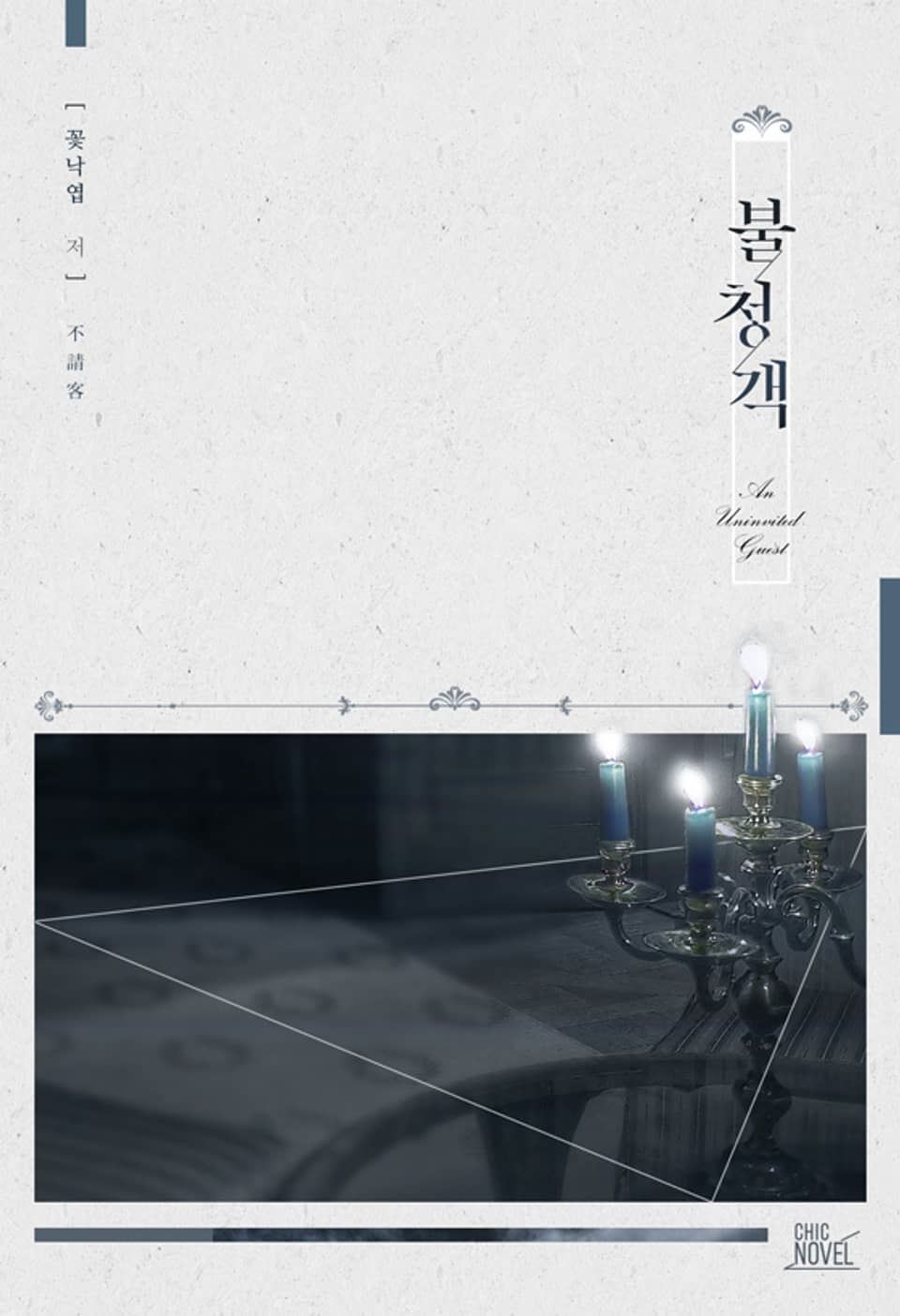
And Yewoon's arc? Christ. He starts this story treating happiness like a temporary loan, something he has to return. Remember how he flinched at the idea of enjoying his own life on his mom's memorial day? He saw himself as an uninvited guest in the world, even in this golden cage the director built for him. But by the end, he's the one who sets the terms: "Please tell me at any time if you want to go separate ways." He's giving himself permission to want something, while simultaneously steeling himself for its loss. That's not weakness—that's hard-won wisdom from seventeen years of abuse.
Their dynamic shifted from guardian-ward to something dangerously close to equals, but not in a fairy-tale way. It's messier. The director still holds all the power, all the money, all the control. Yet he surrenders it in small moments: letting Yewoon see him distressed, answering with vulnerability instead of authority, saying "Home. Let's go home together" like it's the most ordinary, revolutionary thing in the world. And Yewoon? He stops hiding his scars. Not just the physical ones, but the emotional ones. He lets the director see them. He admits he liked him from the first meeting, from the moment he wasn't his mother's new husband but just… someone new, someone safe.
What hits me hardest is how both of them redefine family on their own terms. The director doesn't say "I love you" in a traditional sense. He says, "I won't get you hurt." He says, "Let's go home together." He anchors their relationship in safety, in belonging, in a kind of fierce, uncompromising loyalty that feels earned, not given. And Yewoon learns to accept it without guilt. Without waiting for the other shoe to drop.
Is it perfect? No. The power imbalance is still there, lurking beneath every gentle gesture. But maybe that's the point. Maybe this isn't a story about fixing broken dynamics, but about two broken people choosing to build something new anyway. And honestly? I'm okay with that. More than okay. I'm smiling like an idiot.