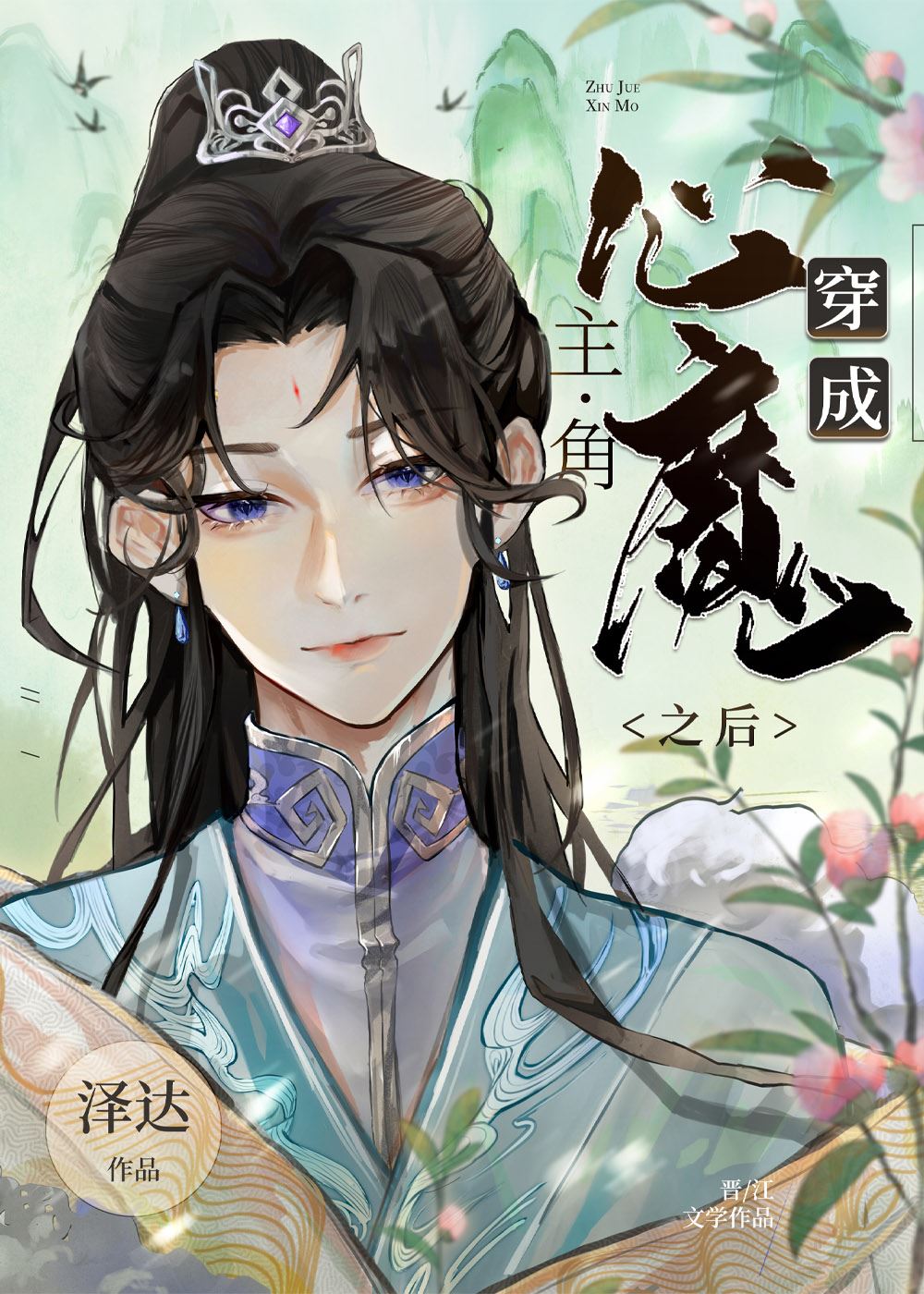
The worldbuilding in this passage is doing some absolutely quiet but devastating work and I need to unpack it. We have a merchant caravan of five wagons, two late-stage qi condensation guards, ordinary people who aren't cultivators, mountain paths, forest roads, and a doctor who brews medicine on a small stove in the front wagon, and somehow all of this adds up to a setting that feels so lived in and so real that I could smell the horse sweat and the herbal medicine and the dust. Xiao Mo using his Nascent Soul perception to sense presences within dozens of li, described in gaming terms as 'having a god's eye view with blurry 3D models,' that is such a perfect blend of cultivation world and modern sensibility that it somehow never breaks immersion. The forest path leading down from the woods, the caravan approaching from afar, the lead horse startling when someone rushes out, the shadow beneath Xiao Mo's feet when he adds spiritual power to his form, all of these visual details pile up into a scene that reads like a painting in motion. And the red lotus mark on Xiao Mo's forehead that he's hiding, that tiny detail that grounds the whole thing in a larger mythos, makes me want to read every worldbuilding note the author has ever written because this is the kind of careful attention to environment that turns a cultivation novel into a place you can actually visit. The wagon stops, servants stretch their legs, the doctor examines the patient, and the whole caravan keeps moving like a small floating village, and I just, I live here now.