After Becoming the Black Lotus Emperor’s Imperial Preceptor - Reviews

After Becoming the Black Lotus Emperor’s Imperial Preceptor
+Add to Custom List
Sort
Add review
... Read More
Okay so the structural move here is kind of genius if you think about it. The author gives us this soft, almost domestic New Year's Eve scene, then SLAMS the door shut with "Three years passed in the blink of an eye." And suddenly we're in a completely different regime — the master has become a taskmaster, running this kid like a drill sergeant with his six-days-on-one-day-off schedule. But the real plot pivot hits when the Empress Dowager's summons comes up. All that softness we just spent two scenes building? It gets framed as temporary shelter from an incoming storm. Xiao Shen himself lays it out: "She wants to confirm my current situation." He's reading the board like a veteran strategist at fifteen. And then he drops the bomb about the Crown Prince having his own power base, the other princes having support, and Shen Qingzhuo being "isolated and helpless in the palace" — which makes him THE perfect puppet candidate. The tension here is suffocating in the best way. We just watched two people share fireworks and dumpling dreams, and now we know their entire relationship exists under the shadow of a succession crisis. The author is basically saying: enjoy this warmth while it lasts, because the political machinery is already turning. And that line at the end — "No rush, Master will go and test Empress Dowager's atti" — the sentence literally cuts off mid-word. Of course it does. You can feel the chapter grabbing your throat and refusing to let go.
... Read More
This scene with the mouse... it hit me different than I expected. At first I thought it was just about power - Xiao Shen catching something smaller than himself. But reading it again, I realized it's about control. For twelve years he's been powerless, trapped in that cold palace. The only thing he could control was that mouse. He stepped on it little by little, exerted force, relaxed, repeated. A perfect metaphor for how he survived - small acts of dominance in a world where he had none. Then comes the word dirty. I kept going back to this. When Xiao Shen says it, he doesn't mean physically dirty. He means everything about that place has seeped into him. The cold. The mold. The loneliness. The survival instincts that make him step on mice. 'Everything in the cold palace is dirty, including myself.' That line broke something in me. The author is saying that trauma changes you, stains you, makes you feel unclean no matter how much you wash. But then Shen Qingzhuo shows up. Fresh hands. Clean clothes. Medicinal soup. Moonlight. He represents everything the cold palace isn't - warmth, care, attention. When he says come let's go wash our hands first, it's not just about physical cleanliness. It's about washing away what that place has done. It's about refusing to let the dirt win. The horse stance training too - strengthening the body because the master noticed his little disciple was too frail. There's symbolism there about building strength from the outside in. Maybe if you stand steady enough, you won't fall as easily. Maybe if your body is strong, your mind will follow. I'm not sure the author is saying Xiao Shen will ever truly be clean. But the attempt matters. The fact that someone cares enough to pull him out of the shadows matters. That's what this chapter is really about, isn't it - the struggle between accepting the dirt and fighting to wash it off?
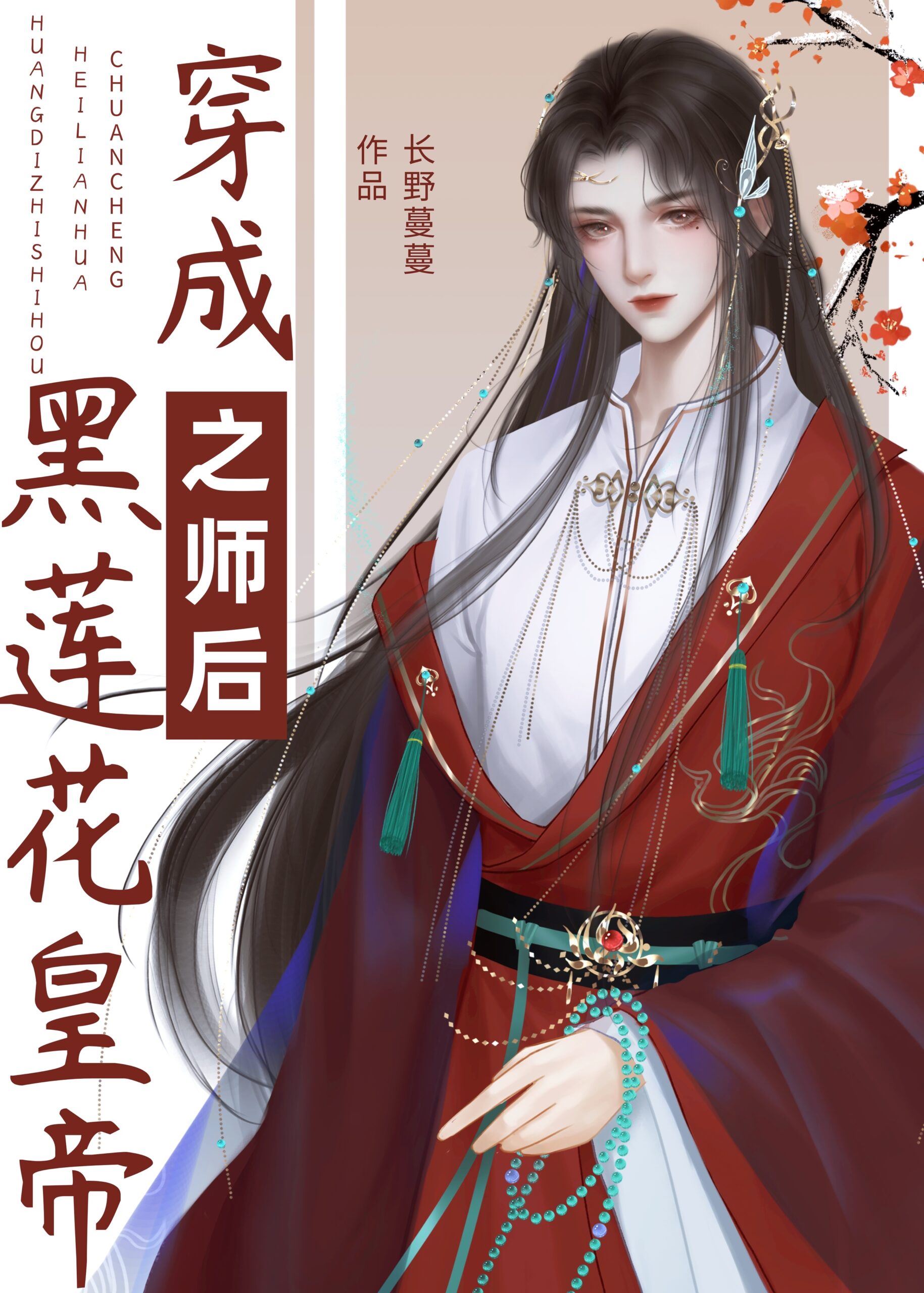
... Read More
Can we talk about this moment where dumpling finally looks up at Shen Qingzhuo and just asks one single word: "Why?" ONE WORD. After everything, after being strangled by your own mother, after walking through the gates of hell and still being alive — he doesn't cry, he doesn't scream, he just asks WHY. And the way Shen Qingzhuo answers it though. The fake nightmare story — "I dreamed you cut me into three thousand pieces" — is such a twisted way to be kind. He could have just said he felt sorry for him. Instead he wraps his cruelty in a joke so dumpling doesn't have to feel like charity. That is honestly the most complicated human interaction I've read in a long time. But what really got me is the physical moment when Shen Qingzhuo picks him up. "Simply picked the dumpling up horizontally" — princess carry, in a cold palace at midnight, after nearly being murdered by his own mother, and he just... nestles into his arms. Still trembling. Still not quite believing this is real. And Shen Qingzhuo, frail as he is, carries this light as if it's nothing. The mother-son relationship is terrifying. Noble Consort Zhao strangles her own child while mistaking him for the person who destroyed her family. She doesn't stop screaming even as his face turns purple. And yet when she faints, Shen Qingzhuo moves her body to the bed himself because "it was winter" and she'd die on the floor. Even in her madness, someone still cares whether she freezes. Even after what she did, he still can't leave her to die. This book does not do simple relationships. Nobody is purely good or purely evil here. It's all grief and survival tangled together.
... Read More
"He had asked himself countless times, Are there really gods in this world? If so, why didn't they come and rescue him? He waited year after year before he finally realized that there was no God in this world who could save him." This paragraph hits like a physical blow. And then — immediately after — Shen Qingzhuo appears. Not a god. Not divine. Just a fragile person in a lamb fur coat who climbed up here anyway. The book is setting up something really interesting here: salvation doesn't come from heaven, it comes from other broken people choosing to show up. The moon appears three times in this passage. First as silver light guiding Shen Qingzhuo's arrival. Then as the backlight that makes dumpling look almost angelic when he reaches for his hand. And earlier, Noble Consort Zhao mistakes her son in "a hint of moonlight" — moonlight as both rescue and misrecognition, both clarity and delusion. Then there's the winter plum fragrance. That scent appearing when dumpling wraps himself in Shen Qingzhuo's coat — plum blossoms are traditionally symbols of endurance through cold, of beauty that persists in harsh conditions. Dumpling is the plum. He's been frozen for years and he's still here. And the three thousand cuts — Shen Qingzhuo's fake nightmare that becomes an accidental prophecy? Whether he knows it or not, he's already treating dumpling better. The question is whether this kindness is enough to prevent whatever ending the original book promised. Is it possible the real theme here is that trauma doesn't end when you escape it? Noble Consort Zhao escaped execution but couldn't escape her grief. Dumpling escaped death tonight but is still sitting on that bed trembling. Shen Qingzhuo escaped his own problems to come here — and he's coughing blood afterward. Nobody gets free. But they keep choosing each other anyway.
... Read More
Okay so I need to talk about this one moment where Xiao Shen is just... staring. At his master's back. While Shen Qingzhuo is changing clothes after that whole Feiyu uniform thing. The text just casually drops details like "slightly protruding butterfly bones to the slender waist that could not be grasped with one hand" and I'm sitting here like WHAT. The author really thinks we're not paying attention but I was LEANING IN. It's these tiny visual fragments that make the world feel real—you can literally picture the room, the way light hits, the tattered flying fish suit being thrown on the shelf. And then Zuixiang Fang gets introduced as this infamous brothel in Shengjing and suddenly the whole city feels larger, more layered. There's this one line where Kong Shang stammers about the lady being alive and still in "Zuixiang Fang" and Shen Qingzhuo's reaction—almost spitting out his tea—is so vividly comedic it made me laugh out loud. The author balances these serious worldbuilding reveals with physical comedy really well. The brothel mention alone expands the setting from just palaces and martial arts arenas into this whole underside of the capital city that I now want to know more about. Also the secret guard watching at the window? That tiny detail makes me feel like the whole compound is full of eyes and ears, which just adds to the atmosphere.
... Read More
This chapter is a masterclass in controlled tension. Shen Qingzhuo enters the imperial prison not with brute force but with something far more dangerous: patience and psychological insight. The way he interrogates the assassin is chillingly effective. Instead of escalating the torture like Wei Changping would, he offers the man a lifeline. “I will release you from the imperial prison. I will give you gold and silver and send you out of Shengjing.” It's almost kind, which makes it all the more terrifying. The assassin's eyelids move slightly when Shen Qingzhuo mentions his family, and in that tiny gesture, the whole case shifts. Then there's the Crown Prince's entrance, dripping with false warmth. “Gu see that you look pale. Did you not get enough rest last night?” How performative concern can be when you know what lurks behind it. And then—the bombshell. Fang Jian has committed suicide. The plot thickens because this doesn't feel like the end. It feels like a deflection, a deliberate silence from someone who knows too much and died to keep knowing it.
... Read More
Okay so let me just say - the fact that Shen Qingzhuo's entire Jinyiwei raid on Changle Palace was basically a theatrical cover for something much bigger? Chef's kiss. The author dropped this little bomb at the end like "oh btw someone is back" and I immediately had to go back and reread the whole scene with new eyes. Every tense exchange, every drawn sword, every fake confrontation between the Seventh Prince and his former teacher - it was all performance. Both of them were acting, and they both knew it. That scene where Xiao Shen deliberately provokes Shen Qingzho in public, making the Jinyiwei draw their Xiuchun swords, only for it to dissolve into this weird intimate moment where Shen asks "Isn't that scary to you?" and Xiao Shen has to physically restrain himself from looking at his master with pure devotion? That's not just good plotting - that's the kind of layered storytelling that makes you realize the author planned this from way earlier. The rumor that spreads by tomorrow morning that the master and disciple don't get along? That's the real outcome of this operation. And meanwhile, Xiao Hongyao's subplot about fabricating evidence against the Eastern Palace is running in parallel, which means there are at least TWO independent schemes happening simultaneously. The narrative density here is insane.
... Read More
Okay so we need to talk about this scene. Like, the author just casually writes that Xiao Shen sneaks back to bed after Shen Qingzhuo leaves, pulls out the dudou from under the quilt, and SNiffs it?? With fascination?? And then his body heats up again?? I literally sat there staring at my screen like — are we really doing this?? Are we REALLY?? And the WORST part is how intimate the morning sequence leading up to it is. Hair-tying, cheek-rubbing, sleepy banter about being a hand warmer in winter. It reads like such a sweet, almost domestic couple scene. And then the POV subtly shifts and you realize — oh. He's not just devoted. He's obsessed. The transition from 'let me tie your hair, Master' to secretly hoarding your underwear is SO smooth and so WRONG and I love it. "Early in the morning, a kind of abnormal heat gathered in his body again." Abnormal heat. That's such a weird way to phrase it — it's not even sexual in an explicit way, it's almost feverish, almost spiritual. Like his devotion has become a physical condition. And then the cut to "Xiao Qi?" when his master calls from the door — he stuffs it back under the quilt INSTANTLY and the heat cools down. He's so scared of being found out but also kind of turned on that his master might catch him? I don't know what's happening with this character anymore and I'm here for it.
... Read More
I need to talk about that New Year's Eve scene because I literally gasped out loud. Xiao Shen at twelve years old, eyes blurred from his first sip of strong liquor, just staring at his master like he hung the moon. And Shen Qingzhuo — "His picturesque eyes were smiling, and the teardrop mole under his eyes was dyed crimson." Like, the author just painted a whole portrait in one sentence and I couldn't look away. But what wrecked me was the sachet moment. He pulls this embroidered little pouch from his sleeves and hands it over like it's nothing, but Xiao Shen's "palms were hot and wet" and he has to turn his face away because he's fighting tears. Shen Qingzhuo's line right after is so casually devastating: "Master can't let you kneel for nothing." As if all that tenderness is just transactional, as if he's just settling a debt. But we BOTH know that's not what it is. He's saying it that way BECAUSE it's not just transactional. He's protecting both of them from having to name what this actually is. Then the three-year time jump and Xiao Shen comes sprinting toward him like a dog — and Shen Qingzhuo immediately scratches under his jaw without missing a beat. Three years of this routine, three years of the kid grinding through impossible training schedules and still coming back wagging his tail for praise. That's not attachment. That's not love? I don't know what that is then.
... Read More
The stakes in this chapter are deceptively low on the surface—basically a political conversation about matchmaking and a rumor—but the underlying tensions are absolutely lethal. Let me break it down: Shen Qingzhuo is walking a razor's edge in front of the Empress Dowager. If he openly refuses her 'kindness,' he looks ungrateful. If he accepts the maids, he loses autonomy over his relationship with the Seventh Prince. His solution—manufacturing a scandal about the prince's trauma—simultaneously protects the prince, maintains his facade of obedience, and gives him an out. Brilliant, but one slip and he's dead. Then there's the water incident rumor. This is the nuclear option Shen Qingzhuo is casually pulling out. If the Crown Prince's entire hatred for the Seventh Prince is based on a false narrative about a woman falling into water, then everything—every scheme, every rivalry, every alliance—has been built on sand. The stakes here aren't just personal; they're structural. The entire political landscape of this story could shift if this truth comes out. And Xiao Yichen grabbing Shen Qingzhuo's wrist? That's not just curiosity. That's the moment someone realizes their entire worldview might be a lie. What does he stand to lose if this is true? Everything.
... Read More
I've been sitting with the imagery in these chapters and there's this recurring motif I can't shake: warmth as something dangerous and fleeting. Fireworks are the obvious one — they're beautiful specifically BECAUSE they burn out. Shen Qingzhuo says "Look, the fireworks are coming" and the narrative immediately frames him as more brilliant than the display itself. But fireworks also illuminate briefly then leave everything darker. That's exactly what this New Year's Eve feels like: a moment of brilliance that the narrative already knows is temporary. Then there's the wine. Strong liquor described as "a lit flame" burning from throat to chest. The十二-year-old Xiao Shen chokes on it — his first taste of something adult, something intoxicating, shared between him and his master. Wine as initiation, wine as the thing that makes you see the world differently (or see YOUR person differently). He can't stop staring at Shen Qingzuo afterward, and I don't think that's just the alcohol. The embroidered sachet works the same way — something small, handmade, carried close to the body, given as a "New Year's gift" but functioning as something far more intimate. One gift per year, Shen Qingzhuo says. One inch of joy. Everything a new beginning. As if he's rationing tenderness the way a state rationing grain during famine. Which, given what we learn next about palace politics, maybe he essentially IS. The real theme here isn't just "bonding between master and disciple." It's about what happens when people who have nothing else build something warm anyway, knowing the world outside their window is already plotting to take it away.
... Read More
I am still not over the master-disciple dynamic in this batch and I need to vent about it. Let me just say this — Xiao Shen is the most broken character I have ever encountered and I mean that in the most devastating way. Two years ago someone tried to kill him by throwing him into a well and his ten fingernails were almost split tearing at the edge. And what does he do? He survives. He comes back. He smiles. He lets his master wipe his hands and call him 'dumpling' and pretend everything is fine. The scene where the Master examines that scar on his thumb — the pink crescent where the wolf cub bit him — and Xiao Shen forces himself to look away because he cannot bear to see his master touch that wound again. That is not just physical trauma, that is psychological devastation. And the Master — oh god, the Master. He has no idea. He sees a cute little scar and jokes about puppies. He is genuinely trying to care for his disciple but he is operating in complete darkness about what Xiao Shen has endured. The power imbalance is staggering. Xiao Shen has survived assassination attempts, betrayal, violence, and he still chooses to stay by his master's side. When the Master flicks his forehead and Xiao Shen does not dodge — when he actually leans into it slightly — that is not submission, that is devotion so deep it terrifies me. And the Emperor? The Emperor is playing 4D chess while everyone else is playing checkers. He summoned Shen Qingzhuo under the guise of a birthday gift but really he is pulling him into the web. Xiao Shen watching from behind the pillar — he is always watching, always guarding, never letting his master out of his sight. That is not normal disciple behavior. That is obsession dressed up as loyalty.

Leave a comment

You must be logged in to leave comments. or
