After Becoming the Black Lotus Emperor’s Imperial Preceptor - Reviews

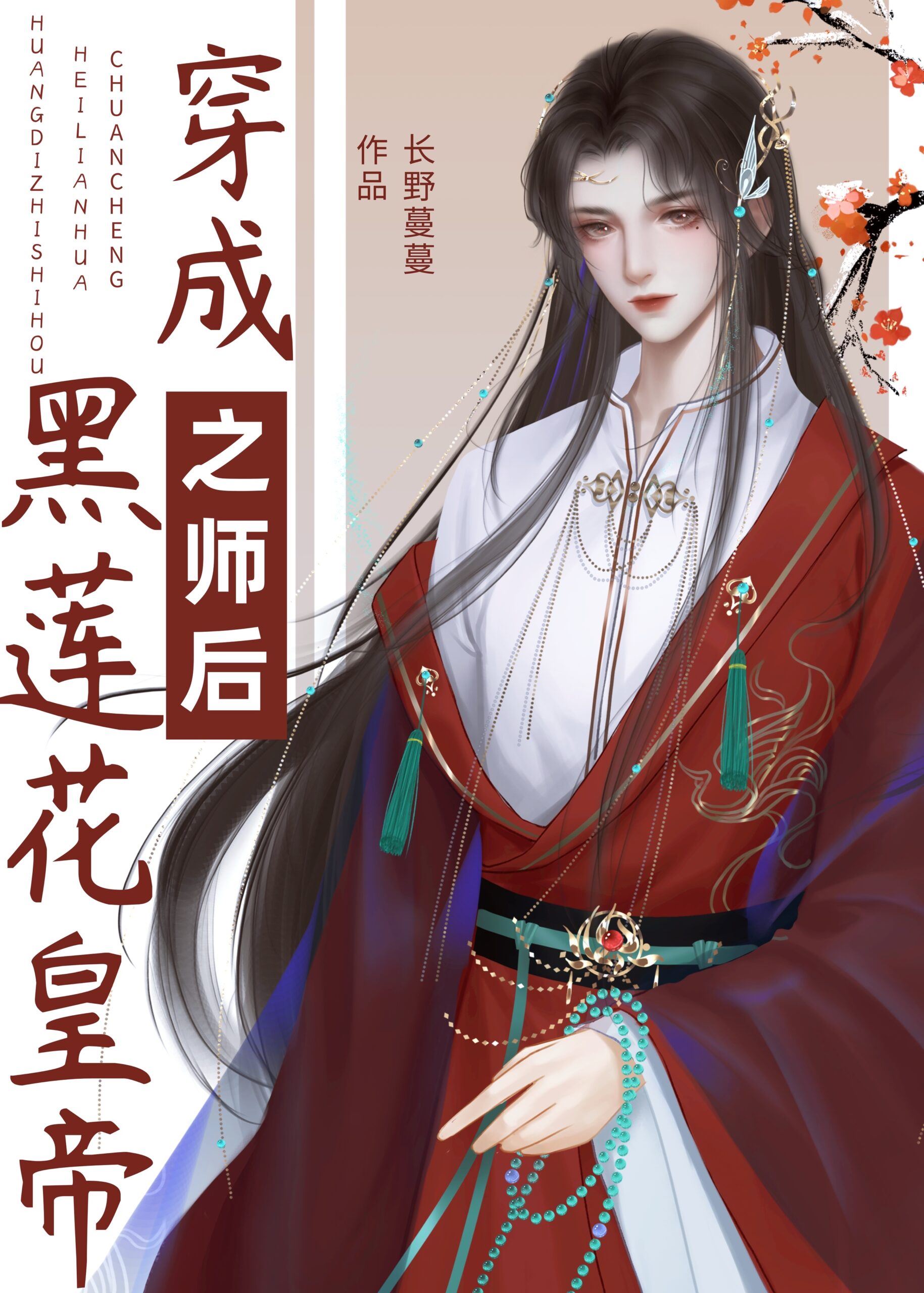
After Becoming the Black Lotus Emperor’s Imperial Preceptor
+Add to Custom List
Sort
Add review
... Read More
The dialogue in this chapter is an absolute masterclass in subtext. Let me just highlight a few moments that made me stop and re-read: Shen Qingzhuo's opening when confronted by the Crown Prince: "Your Highness is in a very elegant mood." ELEGANT. He says this with complete straight face to someone who is visibly fuming. The politeness IS the insult. It's the verbal equivalent of smiling while you parry a sword. The Empress Dowager's line: "That's also right, you are now in the presence of His Majesty, and what he can give you was probably better." This sounds gentle on the surface but it's a direct accusation—that Shen Qingzhuo has jumped ship from the Crown Prince faction to the Emperor's. The way she wraps it in faux warmth makes it devastating. And Shen Qingzhuo's response: "Once a teacher, always a father. The humble minister always stands on Niangniang and His Highness the Seventh Prince's side." This is performative loyalty at its finest. He's saying exactly what she wants to hear while meaning something entirely different. The phrase 'always a father' is particularly rich—positioning himself as the parent figure to the Seventh Prince, which subtly undermines the Crown Prince's authority over him. The author's dialogue never wastes a word. Every exchange is a chess move.
... Read More
What gets me is how emotionally layered everything is in this chapter. The assassination attempt on Concubine Yuan clearly hit close to home for Shen Qingzhuo. He's wounded, literally carrying a bandaged arm, yet he pushes through the stench of blood in that prison without flinching. But then there's Wei Changping, the Jinyiwei lord, who feels nothing but contempt for the soft-bodied lord. And contrast that with the Crown Prince, whose concern feels suffocating. “Gu got a hundred-year-old ginseng a few days ago. Gu will send someone to deliver it to Jiyue Pavilion later to nourish your body.” It sounds sweet until you remember what Xiao Yichen is capable of. The tension between these two men is electric, even when they're barely speaking. And Shen Qingzhuo's response? “The minister only does things for His Majesty.” Cold, precise, and heartbreaking if you've been watching their history unfold. Meanwhile, the assassin in that cell, beaten and broken, finally opens up not because of pain but because someone actually asked if he had family. That moment—that tiny flicker of humanity from the person holding all the power—is where the real emotion lives.
... Read More
I need to talk about Xiao Shen because this chapter absolutely destroyed me. Remember how earlier in the book Shen Qingzhuo takes him in as a disciple? And here we are, months later, on New Year's Eve — the one day that should be about family and warmth — and Xiao Shen has spent ELEVEN consecutive New Year's Eves in the cold palace with his 'crazy mother.' Eleven. YEARS. Of watching his mother lose her mind while everyone else celebrates. And then Shen Qingzhuo shows up. He doesn't even announce himself properly — he just says 'Little disciple?' and Xiao Shen's entire body TREMBLES and he 'kneeled firmly on the ground with a thump.' This isn't the reaction of someone whose master came to visit. This is the reaction of someone who has been waiting in absolute darkness and doesn't trust that light is actually coming. The fact that he was 'motionless like a corpse' on the bed before Shen Qingzhuo speaks — that image has been haunting me since I read it. And Shen Qingzhuo? He just... goes. No fanfare, no entourage. The servants get the day off, he leaves the warm banquet, and walks alone into the coldest part of the palace. That kind of loyalty is rare in these novels. Most protagonists would send a servant with leftovers. Shen Qingzhuo puts on a snow cape and walks there himself. Also, shoutout to the Third Prince Xiao Hongyao for that one glance. Something in that look said 'I see you, and I understand what you're doing, and I have questions.' The relationship between these two men is going to be complicated and I am HERE for it.
... Read More
The birthday subplot hit me harder than I expected. Think about it — fifteen years. Fifteen years in the cold palace, no one remembering, no celebration, not even his own mother. And now suddenly the Empress Dowager is like "oh he should have a proper birthday since he moved out this year, how pitiful" while Emperor Guangxi is sitting there looking like he's trying not to sneer. The performance of care from the imperial family is almost comedic if it weren't so cold. But the real symbol here is the body itself — Shen Qingzhuo's fragile, pale skin that bruises from the lightest touch. Every mark on his body becomes a record of violence, of ownership attempted by others. The five-finger indentations on his neck are like a brand. And Xiao Shen seeing them, wanting to protect, wanting to never let anyone leave marks again — that's the theme right there. The body as battleground, the birthday as reminder of abandonment, and the cold palace as both physical space and emotional state. The Emperor pretending to recover his health while the Empress Dowager preens about reciting Buddhist scriptures — the whole harem is a theater of performed concern masking absolute ruthlessness.
... Read More
What I love about the stakes here is how they operate on so many levels simultaneously. On the surface: Shen Qingzhuo is tasked with teaching a boy who resents him and might literally try to bite him. Under that: the Crown Prince is using him as a pawn in a succession game where failure could mean death. Under THAT: the Emperor doesn't care if the Seventh Prince lives or dies, but he WILL care if someone from the Eastern Palace kills him outright. So Shen Qingzhuo has to walk this impossible line — keep the boy alive, keep him learning, keep him from causing incidents, all while making sure nobody can trace it back to the Crown Prince. And his solution? "Under the circumstances where no one is killed, the minister will do it more covertly so that no one can find fault with it." That line gave me chills. This man is proposing to make the teaching process as harsh and effective as possible without crossing the line into anything that looks like attempted murder. He's basically saying "I will break him gently" and the Crown Prince is STUNNED by the smile that comes with it. The stakes keep climbing too. Pei Yanqi showing up with his sharp eyes and obvious history adds a whole new variable. If he's as observant as the narration suggests, he's going to notice things — inconsistencies in behavior, anachronistic knowledge, the fact that this Shen Qingzhuo isn't the depressed original owner. Every new character is a potential threat, and that's what makes this so tense. You're never sure which alliance is safe.
... Read More
Three thousand strands of black hair. That number keeps appearing in this novel, and here it returns as the bridge between dream and waking. Hair is the symbol of connection—grabbed, pulled, entangled, scattered across white skin. In the dream, it's used as a weapon. In the morning, it's what Xiao Shen imagines touching gently. The same object, opposite meanings, same man at both ends. The gold chains. These aren't just bondage imagery—they're the chains of fate itself. Xiao Shen sees his master chained and understands, viscerally, that he is watching his own future hands do the tying. The chains represent destiny's pull, the gravitational force dragging him toward becoming that man on the dragon bed. "The whole world belongs to me"—this is the theme compressed into one sentence. Power, possession, ownership of another human being dressed as love. The novel has been asking this question since chapter one: can love and domination coexist, or does one always consume the other? Xiao Shen's answer in this chapter is the most honest he's given: "I won't be that mean to Master." Not "I will never hurt him." Not "I am not that person." Just a promise to try, whispered to a sleeping man who cannot hear him. The dragon throne appears in his thoughts like a ghost: "The person who will finally ascend the dragon throne can only be him!" This is the theme's darkest expression—the idea that power is the only protection, that becoming emperor is both salvation and damnation. The wolf cub wants to be gentle, but the future emperor knows only possession. They are the same face.
... Read More
I need to talk about Kong Shang because this boy has my entire heart and I am not okay. Here's this incredibly competent, physically imposing bodyguard who shows up to a dangerous investigative op and his overwhelming concern is whether or not he can afford to date a girl named Chun Tao. Like... bro, you're literally standing outside a brothel while your young master goes undercover, and your main thought is romance. But that's exactly what makes him so good. He's not some generic loyal companion trope. He has actual wants and desires and financial concerns, and the fact that Shen Qingzhuo notices this and offers to pay for him? That's not just funny — it's character-revealing on both sides. Shen Qingzhuo is clearly the one pulling strings here. He orchestrated the whole Zuixiang Fang visit, he knows exactly what he's doing, and yet he also takes genuine time to consider his subordinate's emotional needs. That's a specific kind of leadership — not the cold, utilitarian type, but the "I will bribe you with a date if it means you'll stay loyal" type. And it WORKS. Kong Shang is visibly moved. "Is it really possible?" he asks, and I swear to whatever gods exist, I felt something in my chest. Their dynamic also does double duty for the plot. Kong Shang's impulsiveness (pounding on the door, almost revealing the palace connection) creates real stakes. If he'd been perfectly disciplined, the scene would lose texture. His humanity is the crack in the armor that makes everything feel dangerous. And Xiang Lian! Oh man. She's fascinating because she's not just a villain or just a victim — she's someone who's been burned and adapted. Her offer to do "anything except what he wants" is the speech of someone who has learned that compliance is survival. But she's also clearly afraid, which makes her breakdown when the gold mention drops both tragic and realistic. "Except for asking about people and things, Young Master Shen can do anything he wants to do." That line stays with me. That's the line of someone who's sold everything they have except their knowledge, and that's both a victory and a defeat for Shen Qingzhuo.
... Read More
I've been thinking about fire in this book and it's everywhere. Pan Chong is burned to charcoal. The maid resisted with fire. Xiao Shen's 'abnormal heat' gathers in his body in the morning. Fire appears in virtually every emotional and violent moment of these chapters, and I'm pretty sure that's not accidental. Fire as obsession. Fire as punishment. Fire as purification. Fire as love. Xiao Shen's devotion to Shen Qingzhuo burns — literally and metaphorically. He's willing to kill, to hide, to lie, all for someone who barely knows the depth of what he'd do. And Shen Qingzhuo? He's the one who gets burned by proximity. He suspects, he investigates, he theorizes about fire and manipulation, never realizing the fire is right beside him wearing a harmless smile. "Unless Pan Chong and Dongchang were already being used by others. Unless Donggong must be killed." This line from Shen Qingzhuo is significant because it shows how his rational mind keeps circling back to elimination as a solution — and each time he says it, he gets closer to understanding what Xiao Shen has already done. The irony is that his logic is sound; he's just missing the variable that matters most. The dudou itself is also a kind of artifact — a relic of intimacy that becomes evidence of obsession. Xiao Shen treats it almost like a sacred object, preserving it, breathing it in, hiding it. It's simultaneously tender and deeply unsettling, which is exactly what this book does best.
... Read More
I am not okay. I am physically not okay right now. The moment Shen Qingzhuo picks up that red Mandarin duck dudou and his face goes from worried to horrified to absolutely fuming—I lost it. Like here's a man who just spent time waiting up for his missing disciple, genuinely concerned he might have come to harm, and then BOOM. His poor disciple goes out secretly, kills someone (which is dark and complicated and I'll get to that), and comes back with a woman's underwear in his sleeve. The emotional whiplash of this scene is incredible. And Xiao Shen's reaction! His face turns red, he starts to explain, and right at that moment the secret guard shows up outside the window asking if Master is alright. The timing is so perfectly comedic but also so painfully awkward for Xiao Shen. I kept imagining him just standing there with the scandalous item revealed and his two protectors—one furious master and one suspicious guard—both looking at him like he's lost his mind. But beneath the humor there's real emotional depth too. Xiao Shen's internal monologue after killing that eunuch revealed something unsettling: he didn't feel fear, he felt excitement. His blood was boiling with power. When Shen Qingzhuo calls him "Xiao Qi" with genuine worry, that's the moment where all the emotional stakes collide. This boy who can kill without hesitation still melts when his master shows concern. How do you process that?
... Read More
Okay so the confrontation between Xiao Yichen and Xiao Shen in the Yu Garden is genuinely terrifying in a way I didn't expect. Let me unpack this. Xiao Yichen is clearly a man who thinks he's the cleverest person in the room — which is always when you're about to get destroyed. He spots Xiao Shen, removes his disguise (big mistake already), and starts going for the throat. The "have you forgotten your days in the cold palace?" line feels like he's trying to reassert dominance over someone he underestimates catastrophically. But here's what kills me — and I mean in the best way — Xiao Shen's transformation. One moment he's smiling, playing the harmless younger brother, and the next his eyes go from human to something else entirely. "The coldness in his eyes... as if he were looking at a dead person." This isn't someone who's just angry. This is someone who has spent years in darkness learning exactly how to endure it, and Xiao Yichen just reminded him of every single day. The power dynamic flip is *chef's kiss*. Xiao Yichen thinks he's winning by revealing that Lord Shen was once just a bed-warming servant — he's basically saying "your protector is nothing, and I know it." But instead of breaking Xiao Shen, it seems to activate something. The dagger getting hot against his waist is such a nice touch. It's like the weapon itself senses the shift. Then the best part: Xiao Shen recovers. He laughs. He steps aside. He says "Imperial Brother, please." And Xiao Yichen breathes a sigh of relief like he won. The reader knows better. We KNOW better. And then right after the Crown Prince leaves, the text says Xiao Shen started mentally rehearsing different ways the Crown Prince will die. EACH WAY. Different. More miserable than the last. This is a man who has made peace with violence in a way that should genuinely scare us.
... Read More
Okay so this whole arc with Yang Wenwang is honestly brilliant plotting. Think about it — four months of torture, and all that time he's just been waiting for the right person to come along. The reveal that the conspiracy involves BOTH the Cabinet's Deputy Minister Cao Ren AND the Crown Prince? That's not just one plot thread, that's the whole tapestry coming together. And Shen Qingzhuo guessing it? Without any evidence? The guy just pieces it together from fragments and patterns. That's the kind of intelligence that makes you want to scream at the page. And then Yang Wenwang dropping "snow in June" — classic allusion to Dong Zhong, right? The wrongful conviction that made snow fall in summer. It's such a compact way to say "I've suffered an injustice so enormous the heavens themselves wept." The author doesn't need a thousand words to explain the backstory because one image does it all. What happens next with this information? Because clearly, going after the Crown Prince and a Cabinet minister simultaneously is either the smartest move or the most suicidal one. Probably both.
... Read More
I need to talk about this one image because it haunts me. 'His thick dark and crow feathers like eyelashes closed and trembled slightly with Imperial Physician Lu's movements like the wings of a butterfly fluttering in a storm beautiful and fragile breaking the onlookers' hearts.' Just stopped mid-reading and had to breathe for a moment. This is the kind of line that turns a medical scene into a visual poem. The contrast is everything—Shen Qingzhuo is a government official a strategist someone who survives court intrigue and political manipulation and here he is rendered almost impossibly delicate. A butterfly. The storm outside the tent the assassination the political chaos—isolated him into this quiet moment of vulnerability. And then the torchlight at the imperial camp entrance 'illuminated the surroundings very brightly' against the dark tent fabric that's such a clean cinematic cut. From close-up trembling lashes to wide shots of torch-lit camps. The author clearly knows how to move the camera. The spring hunting trip setting itself adds texture—a royal retreat meant for leisure turned into a death zone. Everything feels lived-in and specific.

Leave a comment

You must be logged in to leave comments. or
