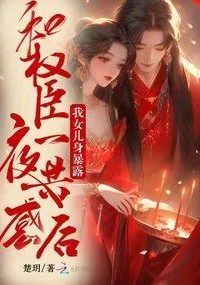
This story is layered with the idea of disguise and hidden identity, and it's not just about Wen Yan presenting as a boy. That's the surface-level reading, sure, but there's so much more happening beneath it.
Wen Yan is disguised as her dead brother. She's living someone else's life, someone else's dream. Her mother looks at her and sees the late son's face. "Madam Fu's eyes dimmed. She stared blankly at her daughter's face, which looked so much like her late son's." That line hit me hard. Wen Yan isn't just hiding her gender—she's hiding her own identity entirely, performing someone who no longer exists. The imperial exams were her brother's dying wish, and she's fulfilling it, but at what cost to herself?
Then there's Fu Zheng, who appears ascetic and devoid of desire in public but is completely transformed in private. His disguise isn't about gender—it's about the mask of propriety he wears as a successful scholar-official. The aphrodisiac strips that away, literally and figuratively.
The jade pendant is another symbol worth noting. It's a token of responsibility, a promise made in the dark. In a world where everyone is performing roles and hiding truths, that pendant is something real—a tangible object that represents a moment of honesty between two people who usually wear masks.
And the body itself becomes a site of hidden truth. The scraped knees, the marks on the neck, the aching back—all physical evidence of what happened that Wen Yan must conceal. Her body knows what her social identity denies.