According to the Matchmaker [Republic Era] - Reviews

According to the Matchmaker [Republic Era]
+Add to Custom List
Sort
Add review
... Read More
Okay I need to talk about this one moment because my heart actually stopped. Xiao Anlan lifts Yu Wanru onto the horse and the text literally says he was 'clench[ing] his fist behind his back, relishing the memory of her slender waist.' AND THEN 'His future wife's waist was really slim.' I AM NOT OKAY. This man is trying so hard to play it cool, giving her all these practical instructions about posture and reins, but inside he is absolutely losing his mind over touching her waist. The contrast between his composed exterior and what's happening in his head is everything. And Wanru? She feels 'the lingering ache in her waist from his grip' but instead of pulling away, she refocuses on the riding. She's flustered but curious, tempted but unsure. That push-and-pull is so well done. The author doesn't need grand confessions or dramatic moments—just one accidental lift and a shared glance and you can feel the entire romantic tension crackling between them. Also the horse nuzzling Little White Cloud and bringing them closer together? The universe is shipping them and I am here for it. Who needs fireworks when you have equine intervention?
... Read More
Let's talk about what's actually at stake here, because on the surface this looks like a simple arranged marriage drama but there's a whole web of political pressure underneath. The Sun family. Just mentioned in passing at first, right? "The Sun family is still watching us like a hawk." But every time it comes up, the stakes get higher. Madam Yu's reaction to the idea of the Sun family is visceral — she says she'd rather jump into the Li River with her daughter than let that happen. That's not hyperbole, that's genuine terror. And we learn that Sun Er is described as a brute, a scoundrel. The implication is clear: the Sun family is dangerous, and they're circling. So the Yu family can't just cancel the engagement with the Xiao family. If they do, the Sun family pounces. Wanru gets married off to someone terrible. That's the external stakes. But the internal stakes are just as good. Wanru's dignity. Her sense of self-worth after Xiao Anlan rejects her. Her mother's fear and desperation. Xiao Anlan's guilt and discomfort — he can't even go home after the meeting, he needs to escape to a hotel. And then Master Yu drops this bomb: what if they switch the engagement to the second young master of the Xiao family? The son of a concubine, but capable and ambitious. This changes everything — it introduces a new character, a new dynamic, and raises the question: will the Xiao family agree? Will the second young master even want this? The tension is layered. It's not just romantic tension, it's family survival tension. And the author is doing a great job of making me care about all of it.
... Read More
I keep coming back to the imagery in these chapters and I think there's more going on than just setting the scene. The heat. It's emphasized repeatedly. "The weather was stifling." A basin of ice on the floor does "little to cool her down." This isn't accidental. The oppressive heat mirrors the suffocating pressure Wanru is under — the engagement, the political maneuvering, the Sun family threat. She's literally and figuratively overheating. And then there's the ice. A basin of ice that can't cool her down. How fitting. The Xiao family's promise is supposed to be like ice — solid, reliable, coldly binding. But it's not protecting her. It's making things worse. The lotus metaphor when Wanru is described as resembling "a lotus flower adorned with morning dew" — that's significant too. Lotuses grow in mud but remain pure. They're beautiful but delicate. Wanru is in a muddy situation (political marriage, family pressure) but she's maintaining her grace and kindness. The morning dew suggests freshness, youth, something that could easily be scorched away. The grandfather's promise — "once he gave his word, it was as good as a bond" — this is another motif. The weight of old promises binding the living. Xiao Anlan's grandfather fell ill from shame over the aunt's elopement and then spent his remaining energy securing this engagement. Now his dead words are controlling young lives. There's also the contrast between the Xiao family's modern Western mansion and the Yu family's traditional courtyard. Two worlds, two approaches to life, being forced together by a promise made decades ago.
... Read More
There's this one line that keeps haunting me: "In the West, roses symbolize love, and men give roses to express their affection when pursuing women." Xiao Anlan says this while presenting Yu Wanru with a rose-shaped breakfast bun, and on the surface it's just him showing off his worldly knowledge. But I think the author is doing something much more layered here. Let me start with the dandelion. This image appears at a crucial moment in the chapter, and I think it's representing something about Yu Wanru's position in this story. Dandelions are everywhere—they grow in cracks, they're considered weeds by some, but they're also resilient, adaptable, and beautiful in their own quiet way. Xiao Anqi wants to blow the dandelion seeds into the wind, letting them scatter and find new homes. There's something prophetic about this. Yu Wanru, like a dandelion seed, is about to be carried by circumstances into a new life, a new family, a new world. And Xiao Anlan? He's the one who disrupts that gentle moment, who blows the seeds away before she's ready. But he also comes back with more dandelions, ensuring she has enough to plant wherever she goes. The horse ranch itself is a symbol worth examining. This is Xiao Anlan's domain, his territory, where he's comfortable and skilled. But Yu Wanru is a visitor here, someone who doesn't quite belong in this world of dust and sweat and horseback riding. Yet she's there, holding Xiao Anqi's hand, brushing dust off Xiao Anlan's clothes, trying to navigate a space that wasn't made for her. The ranch becomes a metaphor for the cultural and social gap between them—the wild, open freedom of his world versus the more structured, refined world she comes from. And then there's the rose bun. Xiao Anlan explains the Western symbolism of roses, but I think the author is playing with the idea of translation itself. He's translating Western meaning into a Chinese context, just as he's trying to bridge the gap between his world and Yu Wanru's. The bun is both a rose and not a rose—it's an approximation, a gesture, an attempt to communicate something across cultural boundaries. This is exactly what their relationship is about: two people from different worlds trying to find common ground, to translate their feelings into a language the other can understand. The family dynamics also carry symbolic weight. Madam Xiao's comment about sons being harder to keep than daughters, and Master Yu's thought about forgetting one's mother after marriage—these aren't just casual observations. They're comments on the theme of displacement, of leaving one family for another. Yu Wanru is about to leave her family, just as Xiao Anlan will eventually have to balance his loyalty to his parents with his commitment to his wife. The ranch, the dandelion, the rose bun—all of these are small pieces of a larger puzzle about what it means to build a life with someone from a different world. What I love most about this chapter is how the author uses everyday objects and moments to carry these deeper meanings. There's no heavy-handed symbolism here—just a dandelion, a horse ranch, a fancy bun. But each one resonates with meaning that goes beyond its surface function. The author trusts the reader to pick up on these threads and weave them together, and that's what makes this such a satisfying reading experience.
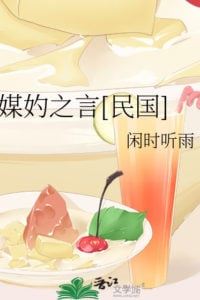
... Read More
I just finished these first seven chapters and I have thoughts about how the author builds tension here. Chapter 1-2: Setup. Xiao Anlan learns about the engagement, argues with his mother, decides to meet Wanru. The pacing here is deliberate — we get his internal conflict (he doesn't want this marriage but feels bound by his grandfather's promise) and we get the political context (Sun family threat) without it feeling like an info dump. Madam Xiao's exposition about the engagement history is woven naturally into a mother-son conversation. Chapter 3-5: The Meeting. This is the emotional core. The author takes their time here — Wanru getting dressed, her nervousness, the garden scene, the actual conversation. The pacing slows down exactly when it should, because this is the moment everything changes. And then it pivots hard when Wanru breaks down and her mother reveals the Sun family stakes. The transition from personal rejection to family crisis is seamless. Chapter 6-7: The Aftermath and New Direction. Master Yu proposes switching to the second young master. Madam Yu visits the Xiao family. Wanru orders green bean ice like nothing happened. Xiao Anlan can't go home. These parallel threads are moving in different directions but all pointing toward complication. What I appreciate most is that the author never lets the reader settle. Just when you think this is a simple romance setup, the Sun family enters. Just when you think Wanru will be devastated, she shows remarkable composure. Just when you think Xiao Anlan is the problem, we see he's struggling with guilt too. The chapter ending with Xiao Anlan finding his mother waiting up for him — classic cliffhanger energy. I need to know what happens next.
... Read More
I am not okay. I am genuinely not okay after reading the dandelion scene and I need to process this because the author just destroyed me with what should be a simple, innocent moment. Let me set this up for you. Sunset. Ranch. Xiao Anqi has found a dandelion and wants to blow it with Yu Wanru. They're crouched down together, the red sun casting this rosy glow over them, and it's supposed to be this perfect, peaceful moment. And then Xiao Anlan—this absolute menace—blows the dandelion out of their hands and sends the seeds flying. Xiao Anqi bursts into tears. But here's the thing that got me: Yu Wanru doesn't scold him. She doesn't get angry. She just turns to him and says, "Please, Young Master Xiao, find another dandelion for her." There's this faint reproach in her eyes, but it's so gentle, so forgiving, and Xiao Anlan's reaction is to just scratch his nose and resign himself to going find another one. And then he comes back with four or five dandelions. Four or five! He didn't just find one—he found enough so she wouldn't have to choose. That is the most Xiao Anlan thing to do. He's awkward about emotions, he expresses care through action rather than words, and he's clearly already imagining a future where he's the big brother providing multiple dandelions because that's just what he does. But the moment that really wrecked me was right after. Yu Wanru is watching Xiao Anqi run around, smiling, and Xiao Anlan is watching HER. And when she notices him looking, she feels uneasy and lowers her head. This girl is so flustered by his attention that she can't even hold his gaze. And then he calls out "Wanru..." and she stops. She actually stops. She doesn't run away, she doesn't pretend not to hear him. She just... stops. And then he asks her to call him by his name instead of "Young Master Xiao." This is him trying to bridge the gap between them, to make their relationship feel less formal, less distant. And her reaction—cheeks slowly turning red, shaking her head slightly—is the most adorable display of romantic tension I've read in months. Then Yang Shidong yells from across the yard, ruining the moment, and Yu Wanru runs off "like a startled rabbit." I swear to you, I laughed out loud. She didn't just walk away quickly—she fled. She was so flustered by the almost-moment that her body just reacted on instinct. And Xiao Anlan? He just glares at Yang Shidong like he's personally offended that his friend interrupted what could have been something real between them. The rose bun scene later is basically the cherry on top. He goes out of his way to buy this fancy bun, explains the symbolism of roses in Western culture, and she's just sitting there processing how much he knows about the world while she's been reading about it in books. The gap between them isn't just social status—it's lived experience. And yet he's clearly drawn to her precisely because she's different from everyone else in his world.
... Read More
This batch of chapters is a masterclass in pacing. It starts domestic—Xiao family garden, walnut pastries, a chubby four-year-old clinging to everyone's leg—and gradually expands outward. Each scene naturally leads to the next: the pastries prompt the visit to the Yu family, the visit prompts the riding invitation, the riding takes them to the ranch. Nothing feels forced or rushed. The author knows when to linger (the horse mounting sequence, which is drawn out just enough to build tension) and when to skip ahead (we don't need every step of the journey to the ranch). Yang Shidong's entrance is perfectly timed comedic relief that also advances the romantic tension by creating the opportunity for Xiao Anlan and Wanru to be alone near the grove. The chapter ends on a note that makes you want to keep reading—Yang Shidong dragging Xiao Anlan into a race while Wanru is left with Anqi, and the promise of more intimate moments between the leads. It's tight, purposeful, and never drags. The only moment I skimmed was the banter between Xiao Anlan and Yang Shidong, but honestly, it serves a purpose in establishing their friendship dynamic.
... Read More
Okay so let me just say this — the scene where Xiao Anlan meets Yu Wanru is genuinely one of those moments that stuck with me. Not because it's dramatic, but because it's so painfully real. He goes in with a mission: break the engagement amicably. He's prepared, he's polite, he's got the whole speech ready. And then he sees her. This girl who's so shy she can't even look at him, who looks like a lotus with morning dew on it, and suddenly he can't bring himself to say the words. "Miss Yu, to be honest, I only learned about this engagement today..." — and when he finally says it, her face goes pale. The text says she felt "publicly humiliated." That hit me hard. She didn't do anything wrong. She didn't ask for this. She's just sitting there, nails digging into her palms, holding back tears. But here's what I love: Xiao Anlan doesn't just walk away cold. He feels it too. The text literally says he felt a "growing unease in his heart." He clenches his fists and leaves quickly, and then he can't even go home — he tells the driver to take him to the Wanchang Hotel instead. He's restless. Guilty. The fact that he couldn't just shake it off tells me he's not the villain here. He's just a guy who made a mistake in timing. And then Yu Wanru? She defends him to her maid. "Young Master Xiao was unaware of the situation." Even after he basically rejects her to her face, she's still being kind. That's not weakness — that's integrity. These two are going to have such a complicated road ahead. I'm already invested.
... Read More
I need to talk about Yu Wanru because honestly she broke me in the first few chapters and I didn't see it coming. Here's this girl — sixteen years old, prime of her youth, dressed up by her maid and aunt, nervous but secretly hoping maybe this could work out. She's fidgeting with her fan, hiding her blushing face, listening intently when her maid describes the young master. She's imagining what her future husband might be like. There's a quiet sweetness to all of it. And then Xiao Anlan sits her down and basically says: I don't want to marry you, please help me get out of this. The text describes her face gradually losing color. She feels embarrassed, ashamed, regretful. She digs her nails into her palms to stop herself from crying. And what does she do? She composes herself and says: "I understand what you mean. Rest assured, I will explain things to my parents." She takes the blame. She doesn't make a scene. She doesn't beg. She just... absorbs it. And then later, when her mother is crying and panicking about the Sun family, Wanru is the one handing her a handkerchief. She's the strong one. She's the sensible one. And when her maid calls Xiao Anlan a villain, Wanru still defends him. But the line that absolutely destroyed me: "At worst, I'll marry into the Sun family." She says it so casually, like it's no big deal. Like her own happiness doesn't matter. And then she changes the subject to green bean ice because she can't bear to sit with that thought. I was feral. This girl deserves someone who sees her. Who fights for her. Who doesn't treat her like a political pawn.
... Read More
I've been thinking a lot about how this chapter manages its pacing, and honestly, it's masterful. Let me walk you through why this works so well. The chapter opens with immediate action—Xiao Anlan being goaded into a horse race by Yang Shidong. There's no slow buildup, no exposition dump. We're thrown right into the physicality of the scene: tossing aside hats and jackets, rolling up sleeves, mounting horses. This is the author's way of grabbing you by the throat and saying "pay attention, something is happening." And it works because the energy is so infectious. You can feel the dust, hear the hooves, see Xiao Anqi cheering from the sidelines. But then—and this is where the author earns their keep—they immediately pull back. The race ends, and we get this long, lingering sequence of Yu Wanru walking back with Xiao Anqi, holding Xiao Anlan's discarded clothes over the saddle. The pace slows down completely. We're no longer galloping; we're strolling. The prose becomes softer, more observant. This contrast is deliberate. The author knows that if you keep the energy at maximum throughout an entire chapter, the reader gets fatigued. But by dropping the temperature suddenly, every small detail becomes more noticeable. The way Yu Wanru brushes dust off the clothes. The conversation about the ponies. The mare's milk cake. These moments of stillness make the later emotional beats hit harder. The dandelion scene is another pacing masterclass. It starts slow and peaceful, almost meditative. The sunset, the gentle blowing, the seeds floating away like parachutes. And then—BAM. Xiao Anlan ruins it. The sudden disruption of peace creates this tiny crisis (Xiao Anqi crying), which then resolves into something warmer (him bringing her five dandelions). The author uses this mini-arc to shift the tone from peaceful to playful to tender, all within a few paragraphs. Then comes the Yang Shidong interruption. This is where the pacing gets really clever. Just as Xiao Anlan is about to have a real, vulnerable moment with Yu Wanru—asking her to call him by his name, stepping closer to hold her hand—Yang Shidong's voice booms across the yard. The author uses this as a comedic beat, but it's also a structural one. It prevents the scene from becoming too sentimental, too heavy. The tension releases, and Yu Wanru bolts. This is how real life works—those perfect moments are rarely uninterrupted, and the author captures that beautifully. The morning-after sequence is where the pacing really shines. We cut from the ranch to Xiao Anlan's hangover, to his family's reactions, to him getting ready, to the car ride. Each beat is brief but purposeful. The breakfast scene with his sisters serves multiple functions: it establishes his popularity, shows his vanity (the Lin Yansheng comparison), and gives us a glimpse of his family dynamic. Then the transition to picking up Yu Wanru feels natural because we've already seen him prepared and ready. The chapter ends on this note of anticipation—Yu Wanru left alone with the rose bun, thinking about Xiao Anlan's stories, looking forward to his next visit. It's a perfect button. The reader wants more, but not because the chapter was rushed or incomplete. It feels complete because every scene served a purpose, and the emotional journey is satisfied even as the romantic plot continues to develop.
... Read More
I need to talk about Han Qing because honestly she's the highlight of these chapters and I'm not even mad about it. This maid has three scenes and she absolutely steals every one of them. First appearance: bursting into the room flustered, yelling "Miss! Miss!" like a human alarm system. Then immediately teasing her mistress about being excited for her. The way she leans in and describes Xiao Anlan — tall, broad-shouldered, impressive suit, bowler hat, fancy driver — she's basically doing a full gossip report and I was living for it. Later, when Wanru is crying, Han Qing clenching her fists and calling Xiao Anlan a "treacherous villain" — she's the reader's voice right there. She's saying what I was thinking. And then Wanru defending him and Han Qing being like "you're still defending him?!" — the dynamic between them is so natural and warm. The dialogue between the mothers is also really well done. Madam Yu's emotional spiral from shock to tears to desperate bargaining feels completely real. "Would you rather marry into the Sun family, where you'd be mistreated? I'd rather die than see you suffer that fate!" That's not polished literary dialogue — that's a mother falling apart, and it works. Xiao Anlan's speech to Wanru is appropriately stiff and formal, which contrasts perfectly with how internally conflicted he actually is. The gap between what he says and what he feels is where the writing shines. The author clearly understands that dialogue isn't just about what characters say — it's about who they are.
... Read More
Okay, I need to talk about Yang Shidong for a second because this guy is genuinely hilarious and also the secret glue holding the whole social dynamic together. The moment Xiao Anlan kicks him from behind when he's about to take off his vest in front of the ladies? Chef's kiss. It immediately tells you everything you need to know about their friendship—they've known each other long enough that physical comedy and roasting are their love language. And then Yang Shidong immediately pivots to asking about matches for his sisters? Classic deflection. He's clearly trying to change the subject because he's awkward about his own romantic prospects, which makes him way more relatable than the brooding male lead energy Xiao Anlan is putting out there. But the real gold is how Xiao Anlan handles him. When Yang Shidong asks about Xiao Anlan's fiancée having friends he could date, Xiao Anlan's response is this perfectly calibrated mix of loyalty and subtle flexing. He says, "Let me tell you, there's only one like her in the whole of Liucheng, and she's mine now. You can keep dreaming." Read that again. He's not just being protective—he's claiming her in front of his best friend like it's the most natural thing in the world. And Yang Shidong's reaction? He just punches his shoulder and moves on. These two have such a clean, uncomplicated friendship that makes me want to scream because where is THIS level of male friendship in every other novel? Then there's the Xiao Anqi dynamic. This kid is basically the emotional barometer of the entire scene. She's the one who notices things first, who calls Xiao Anlan mean when he ruins the dandelion moment, who runs around like a little bunny. But what strikes me is how Yu Wanru interacts with her. She doesn't just tolerate the kid—she engages with her, corrects her gently about the dandelion name, helps comfort her when she cries. And Xiao Anqi immediately latches onto her as "Sister-in-law." That word carries so much weight. It's not just a title, it's a prediction of where this is heading. The family dynamics are also fascinating. Madam Xiao's comment at the end—"it seems it's even harder with sons!"—while Xiao Anlan is off to pick up his future brother-in-law? That's a mother who already sees him as hers, even before the engagement is official. And Master Yu's private thought about "forgetting his mother after marrying a wife" is such a sharp, realistic observation. This author understands that family dynamics aren't just about the main couple—they're about everyone orbiting them, each with their own agenda and perspective.

Leave a comment

You must be logged in to leave comments. or
