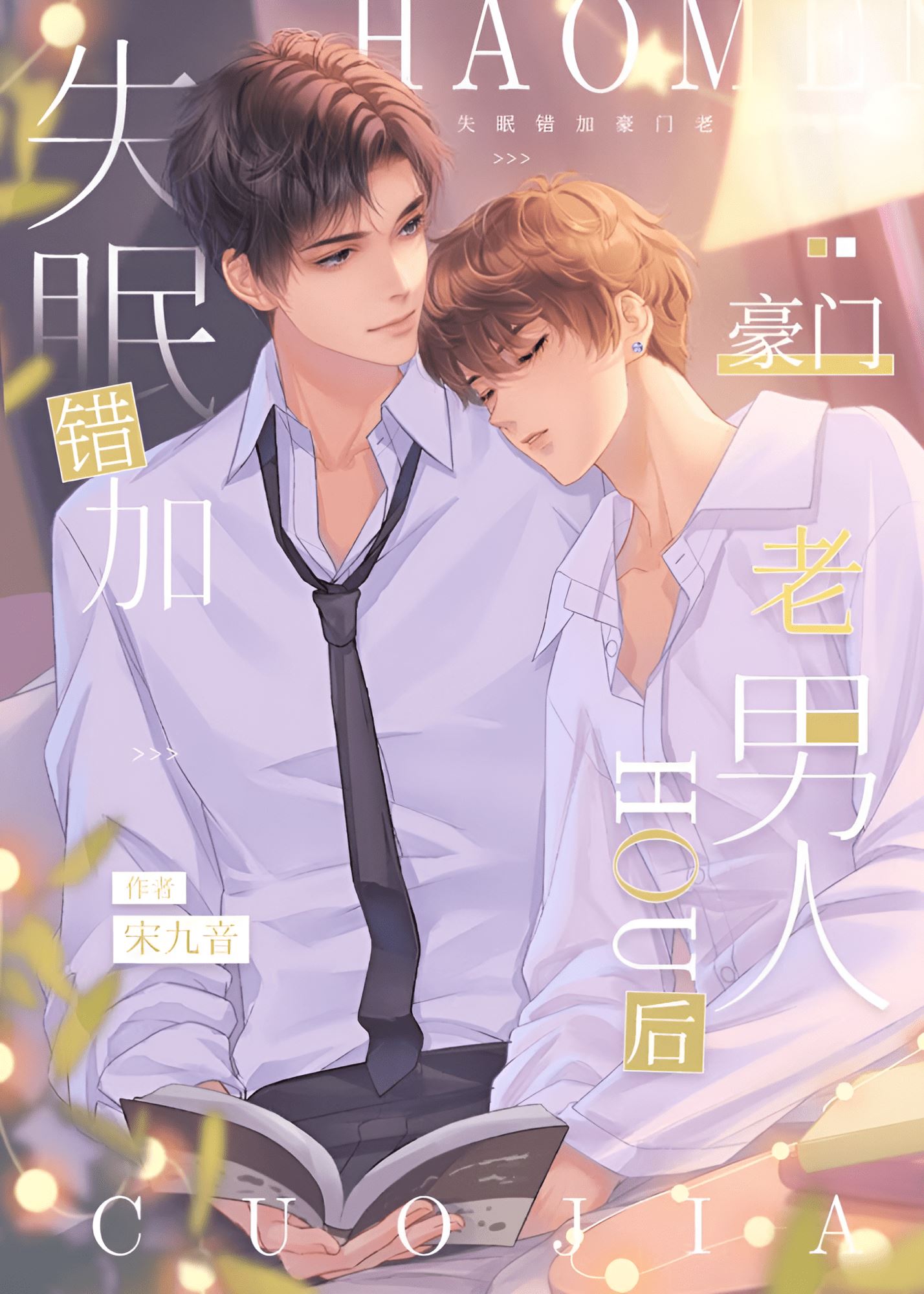
I need to talk about the sensory texture of these chapters because the author is doing something really special with atmosphere.
The midnight phone call scene is rendered with such specific, grounded detail that I felt like I was right there with Lu Xingmian. Bluetooth earphones, lying in bed, checking the time — it's exactly 12:00 AM, and the phone rings several times before being answered. The contrast between the two characters' physical spaces is vivid: Lu Xingmian in his simple room, and Lu Shiran leaning against his headboard, smoking a cigarette, surrounded by the evidence of a life that's anything but ordinary despite his casual demeanor.
Then there's this extraordinary passage where Lu Xingmian describes Lu Xingmian's voice: "like the toll of an ancient temple bell, like the clarity of spring water coursing through a mountain stream, like summer rain pattering on banana leaves, like wind chimes swaying softly under the eaves, stirred by a gentle breeze." Like, one sentence gave me chills. Four similes stacked together, each one evoking a different mood — solemnity, purity, warmth, gentleness — all to capture a human voice. That's not just description, that's emotional translation.
And then the morning after — sweet tofu pudding and two fried dough sticks from a shop near his door, a bus ride to school — these ordinary moments feel earned after the night's intensity. The worldbuilding here isn't about fantasy realms or futuristic cities. It's about a very specific modern Chinese reality where wealthy families, high school exams, WeChat payments, and luxury car drivers all coexist seamlessly. The world feels lived-in.