Summary

... Read More
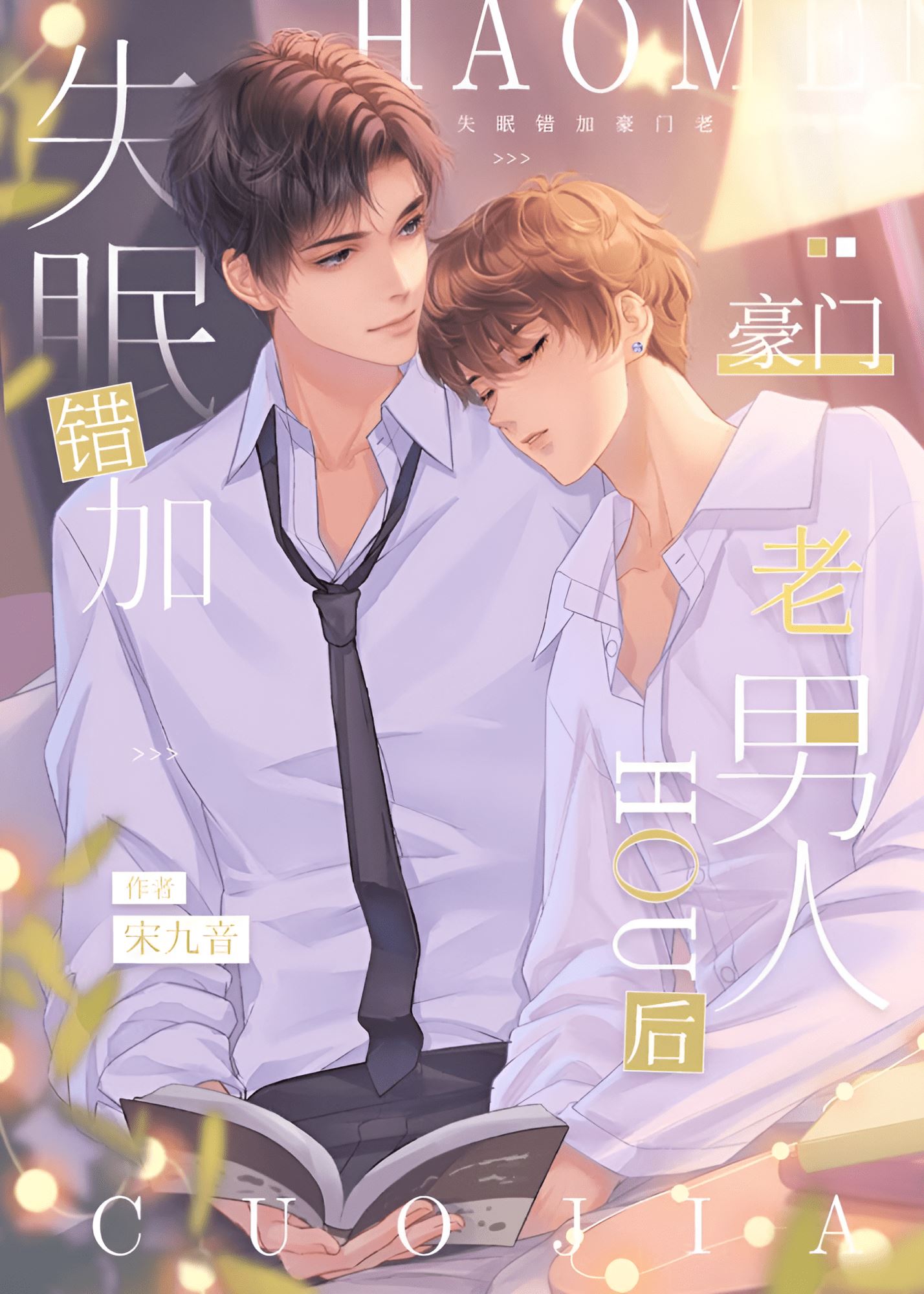
Lu Xingmian, a seventeen-year-old high school student, returns to his biological family, the wealthy Lu clan of Yancheng, after being separated at birth. He was raised by the Song family under the name Song Xingmian. Upon his return, he discovers that his biological parents, Xia Yuefang and Lu Yan, have raised another boy, Lu Sihang, as their only son. Lu Sihang, who was swapped with Lu Xingmian as an infant and raised by the Song family, has become deeply attached to the Lu family's wealth and status. Fearing the loss of his privileged position, Lu Sihang systematically undermines Lu Xingmian through fabricated incidents, including staged falls and an alleged pushing incident into a pond. Both sets of parents believe Lu Sihang's lies, leading to Lu Xingmian's rejection by his adoptive parents, who cite ingratitude, and his biological parents, who prioritize Lu Sihang's emotional well-being. Banished from the Lu family home, Lu Xingmian rents a modest apartment in SS City and transfers to SS City No. 1 High School for his final year of senior high.Suffering from severe insomnia for six months, a direct consequence of the psychological trauma and displacement, Lu Xingmian struggles to sleep. Desperate for relief, he discovers an online sleep-coaxing service where individuals pay for soothing voice narration to induce sleep. He contacts a provider whose profile picture features characters from an animated show he likes. Unbeknownst to him, this provider is Lu Shiran, a twenty-seven-year-old head of the Lu clan and Lu Xingmian's uncle. Lu Shiran had accidentally accepted the friend request when his four-year-old niece, Xiao Youzi, used his phone and tapped the cute avatar. After initially deleting the contact, Lu Shiran finds himself intrigued when Lu Xingmian promptly re-adds him and offers to pay double the rate for consistent sleep-coaxing services, transferring twenty thousand yuan upfront.Lu Shiran begins telling children's bedtime stories over voice calls, using Xiao Youzi's storybooks as material. Lu Xingmian quickly finds that Lu Shiran's natural, magnetic voice effectively cures his insomnia, allowing him to sleep deeply for the first time in months. Their relationship develops through nightly conversations where Lu Xingmian shares details about his life, studies, and feelings without hesitation, finding solace in this anonymous confidant. Lu Xingmian ranks first in his grade despite the challenging transfer, maintaining his academic excellence. Meanwhile, Lu Shiran, who harbors secrets about his identity, maintains the fiction of being a tired older professional while secretly being part of the very family that rejected Lu Xingmian.The narrative takes a pivotal turn during the National Day holiday when Lu Xingmian's friends visit. Lu Shiran provides a VIP pass to a local theme park through a fabricated story about a boss's reward, enhancing Lu Xingmian's enjoyment. In a serendipitous encounter, Lu Xingmian mistakenly enters Lu Shiran's luxury car, thinking it is his ride-share vehicle. He apologizes and exits quickly, but Lu Shiran recognizes the voice as belonging to his sleep-coaxing client. This moment reveals the proximity of their worlds and hints at future intersections between the two men. As the story progresses, Lu Xingmian continues to rely on Lu Ge's voice for both sleep and emotional support, unaware that his benefactor is connected to the family that abandoned him. The dual identities and hidden truths set the stage for complex revelations regarding family loyalty, deception, and the possibility of genuine connection transcending social and familial barriers.

Latest Release
DateGroupRelease
2026-09-25knoxt c100
2026-09-25knoxt c99
2026-09-25knoxt c98
2026-09-25knoxt c97
2026-09-25knoxt c96
2026-09-25knoxt c95
2026-09-25knoxt c94
2026-09-25knoxt c93
2026-09-25knoxt c92
2026-09-25knoxt c91
2026-09-25knoxt c90
2026-09-25knoxt c89

Community Reviews

Rating(4 / 5.0, 31votes)
5 stars
10(32%)
4 stars
10(32%)
3 stars
11(35%)
2 stars
0(0%)
1 stars
0(0%)

Popular reviews

... Read More
I'm genuinely impressed with how the author controls the rhythm across these four chapters. Let me trace it. Chapter 17-18 basically operate in real-time — midnight arrives, the call connects, three stories unfold, Lu Xingmian falls asleep. This entire sequence plays out slowly, deliberately, almost meditative in its pacing. You can feel the drowsiness creeping in as you read. It's a rare technique: using narrative pace to induce the same feeling in the reader that the character is experiencing. That's skilled writing, plain and simple. Then Chapter 19 jumps forward — next morning, breakfast, bus to school, adapting to the new environment in a few paragraphs. Efficient, functional. It's the calm before the storm. The lunchtime message about the sleep-aid provider being busy for two days creates a tiny pocket of anxiety — what happens when the routine is interrupted? And then Chapter 20 swings into something completely different: the return to the Lu family home. The pacing accelerates sharply. We go from quiet bedroom scenes to a full social gathering with dialogue, tension, and a cut-off ending. The transition is jarring in the best possible way — like when your comfortable evening is interrupted by a phone call you didn't want to receive. What I notice is that the author trusts the reader to handle time jumps without excessive hand-holding. We don't need every detail of Lu Xingmian's bus ride or his adaptation process spelled out. But when it matters — the midnight call, the family dinner confrontation — the author slows down and gives us everything. This is textbook good pacing.
... Read More
I'm not even going to pretend the BBQ dinner scene works on its own merits. It's functional worldbuilding — establish the new classmates, show Lu Xingmian is liked, make us wonder why. But it's Zhou Cheng and Zhu Jinyan who actually make it breathe. "Do you think everyone loves fighting as much as you do?" — Zhu Jinyan pushing up his glasses like a proper snarky intellectual. Then Zhou Cheng's defensive sputtering about the self-criticism incident. This is classic banter and it works because it feels unscripted, like two people who have known each other for years and have established rhythms. The rest of the dialogue is fine but flat. Chen Che is all polite convenience-store friendliness — helpful but forgettable. Xia Zhicheng offers notes and that's basically his entire character presence so far. Even Lu Xingmian's lines are minimalist: "Nothing much, I just wanted a change of environment." "Thank you." "Don't mention it, we're classmates!" These aren't bad lines, they're just... functional. They serve the scene but don't elevate it. Which is actually kind of thematically appropriate if you think about it. Lu Xingmian barely speaks because he's performing, not connecting. Every response is calibrated, every smile measured. The only characters who seem to have actual voices are the ones who aren't trying to survive — Zhou Cheng and Zhu Jinyan, who can afford to be themselves because nothing at school depends on them being careful. I also want to note the narrative voice itself, which is pretty workmanlike. It gets the job done but isn't distinctive. I wouldn't call it invisible exactly, but it's neutral enough that it doesn't draw attention to itself. That's fine for this stage of the story, I guess. The voice can develop later when the plot demands more texture.
... Read More
The opening scene is so simple but so effective. Lu Xingmian is lying on his bed, earphones in, phone in hand, and a voice comes through. The description of his physical reaction is what sells it for me — his ears twitch, his breathing slows, he goes completely still “so as not to disturb the beautiful voice.” It's such an intimate, almost ASMR-like quality to the writing. You can literally feel the warmth of that voice filling the room. Then there's the contrast with Lu Xingmian's reality: he wakes up at five AM in a new bedroom, in a new school, having just been forcibly relocated back to the Lu family after seventeen years apart. The text doesn't over-describe his living space, but the emotional weight of the setting is heavy. He's in a house that isn't really his, surrounded by people who look at him like a guest, while the boy who's lived there his entire life treats him like an invader. And then the second scene — Xiao Youzi's world. A nanny bathing her, playing with her uncle's phone, waiting for stories. The warmth of that scene is so different from the coldness of Lu Xingmian's situation. The text uses these domestic details to ground us: the phone vibrating twice, the cute profile picture, the storybook sitting on the bed. Small sensory details that make both worlds feel lived-in and real. The contrast between the cozy, story-filled bedroom of Xiao Youzi and the isolated, insomnia-ridden bed of Lu Xingmian is just masterful scene construction.
... Read More
There's a symbol running through these chapters that I can't stop thinking about: sleep. Or the lack of it. Lu Xingmian buys a service specifically to coax someone into sleeping. He gets two hours at best. He covers his exhaustion with a smile and pale skin that no one notices. And meanwhile, the person on the other end of that call — whoever they are — is presumably the kind of person who sleeps just fine in a luxurious mansion while a four-year-old plays on their phone. The phone itself is another symbol that keeps coming back. It's Lu Xingmian's connection to something outside his isolation — the sleep-coaxer, the hope of voice, of someone saying "hello" and breaking the silence. For Xiao Youzi, the phone is a toy. For Lu Shiran, it's work and leisure. For Lu Xingmian, it's literally the only thing keeping him from total solitude. He checks it obsessively. He sends another friend request. He waits. He almost deletes the contact and then doesn't. He calls. There's also the recurring motif of warmth that isn't for him. The glowing windows. The warm home language used to describe other people's houses. The BBQ dinner with friends. The uncle-niece bonding at the mansion. All of it radiates outward from a center that excludes Lu Xingmian. He is always on the periphery of warmth, never inside it. But here's what I think the book is really saying: Lu Xingmian's desperation to find sleep — to find someone who can coax him into rest — isn't just about insomnia. It's about finding someone who can make him feel safe enough to let go. And the person who accidentally became his sleep-coaxer, the one who accepted his request and then went silent for half a day... that silence might be the most agonizing part. Because for someone who can't sleep, silence from the one person who could help you sleep is torture. It's the sound of being ignored by the only lifeline you have.
... Read More
I keep coming back to this image of Lu Xingmian eating instant noodles alone, and I think it's the central symbol of this entire passage — maybe the entire novel so far. Let's be honest: a bucket of instant noodles plus a sausage isn't just dinner. It's the meal of someone who is surviving, not thriving. Someone whose life is so consumed by homework and tests and keeping up that cooking is a luxury he can't afford. The author doesn't moralize about it or make it tragic in an obvious way. Lu Xingmian just... eats it. Like it's normal. Like it's fine. But it's not fine, and that's what makes the symbol work. The emptiness of the fridge mirrors the emptiness he feels when his friends leave. The noise of his friends' snoring beside him in bed — he doesn't find it annoying, he says "lately it had been too quiet for him alone." Silence is worse than noise. Solitude is worse than chaos. The VIP pass itself is symbolic too. It represents someone seeing Lu Xingmian's worth and wanting to give him joy without him having to earn it or pay for it. Lu Shiran insisting on covering everything, threatening to cut off the storytelling if money is mentioned — that's love language. It's messy and slightly controlling but undeniably genuine. And then there's the wrong car. Getting into the wrong vehicle, briefly entering someone else's world, then fleeing back to your own — isn't that exactly what Lu Xingmian's life feels like? He visits the theme park, experiences something wonderful, and then returns to his empty apartment and his test papers. The extraordinary is always one mistaken door away.
... Read More
Okay, so this section? This is the moment everything clicked for me. The narrative switches from Lu Xingmian's POV straight into Xiao Youzi's world, and suddenly I understood: she was the one on the phone the whole time. The cute profile picture wasn't some mysterious adult voice actor. It was a CHILD telling bedtime stories. And Lu Shiran? He just found the contact and was like, “Wait, who's this?” The dual timeline structure here is gorgeous. We get the warm, soft voice narrating children's stories, then we cut to this little girl tapping through her phone because her uncle's stories are “so good.” The reveal that she's the storyteller hit me like a truck. It recontextualizes every single line of dialogue from Lu Xingmian's side. When the voice said “Shall we tell the story of ‘Why the Rabbit is Always Late'?” — I now picture a small child enthusiastically reading from a storybook. And Lu Xingmian, suffering from months of insomnia, falling asleep to THAT voice. The irony is just... chef's kiss. Then the backstory dump about the swapped identities, the Lu family dynamics, Lu Sihang's slow-burn villainy building up to that confrontation with Lu Xin — the plot is layering so many threads simultaneously. One moment you're swooning over the voice call romance setup, the next you're deep in family drama territory. The pacing is wild but it works.
See all reviews

Custom lists

See all custom Lists