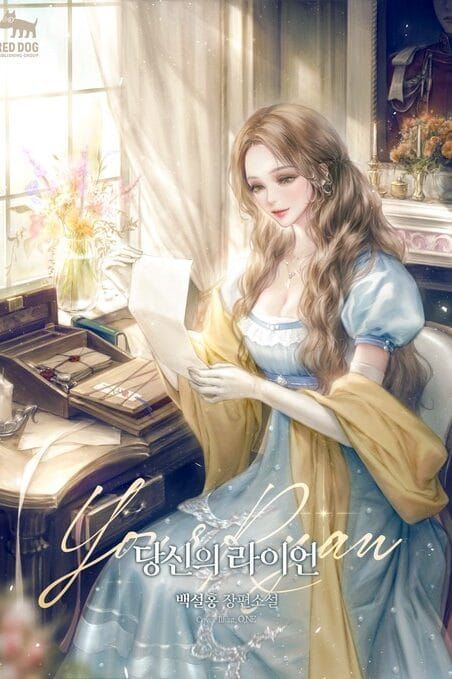
I need to just sit with how richly rendered this house is. Not through description, but through the WAY the rooms function and what they contain.
The study: wooden chest storing Blissbury documents, papers transcribed from rain-damaged originals, arranged with precision. This is her father's domain — orderly, bureaucratic, the place where obligations live. Eloise goes there on her own initiative, sifting through decades of record-keeping, coughing at dust, working into the evening until her vision blurs. She's literally digging through her father's world to solve a problem he created.
Her own room: desk scattered with the Blissbury papers, stationery drawer full of unsent letters, and — this kills me — THE PORTRAIT hanging on her wall. "A handsome man with blond hair and kind blue eyes smiled gently at her." She looks at it, snaps out of her reverie, and only THEN remembers the letter is missing. The portrait of the wrong Ryan versus the real Ryan who is currently writing her father letters. The visual poetry of that is not lost on me.
Downstairs: the kitchen where Emily debates the economics of nut cookies, the entrance hall where boys come and go with messages, Mrs. Surberton calling from below like a narrator from Greek tragedy. And Lancelot the goose, who 'let out a loud honk, seemingly displeased with the boy's departure.' A GOOSE with emotional reactions to mail delivery. I am living for this world.
But the scene that haunts me most is the ending — cut away from Eloise's panic to THIS: "The light in Sergeant Thornton's room had been on until dawn. It seemed he still wasn't sleeping properly."
Two separate spaces, two people burning the midnight oil, both haunted by something neither can quite name. The parallel editing here is masterful. We don't see Thornton find the letter yet — we just know he's awake, restless, thinking. And somehow that's even more tension than showing us the moment would be.