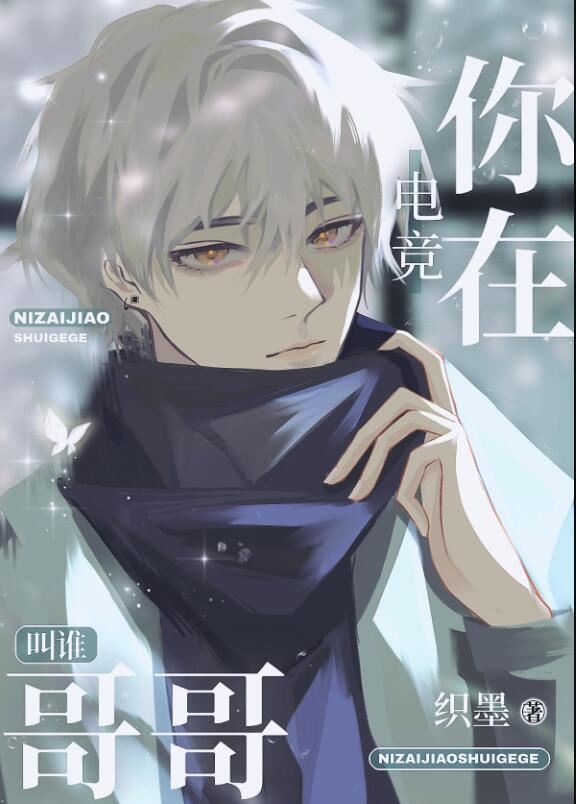
I am still not over the way this text handles dialogue and narrative voice. The author has created distinct communicative registers for different modes of interaction, and they all feel authentically different.
The livestream chat has its own vernacular—"666," "God Xu," "Little Idiot," the cheeky "hehe" laughter, the protective "I'll mess with them in return" energy. These aren't generic internet comments; they feel like a real fandom community with established inside jokes and hierarchies. The fact that they're marked with bracket notation and include translator notes about cultural references makes it feel even more grounded.
But the real dialogue magic happens in the team chat and in person. Look at how Xie Xu's communication evolves across different mediums:
In-game: efficient, minimal. "Didn't have my ultimate just now." Functional.
Team chat (typed): more considered, almost formal. "It's late. I'm not playing anymore." "Ask away."
Team chat (deleted before sending): vulnerable, frustrated, honest. "Don't say things like that, or call me Gege."
In person (breakfast): controlled, warm, indirect. "Enough, eat properly."
Each version reveals a different layer of the same person. The deleted message is the most important piece of dialogue in the entire passage because it's the one thing Xie Xu admits to himself but never speaks aloud. It's also the funniest—the chat's observation that "When he calls people 'Dad,' it's like he's at a funeral" is both hilarious and deeply poignant because it captures exactly how stiff and formal Xie Xu normally is.
And Jiang Shi's voice—oh God, Jiang Shi's voice. "Gege, Gege, Gege" dripping with faux sweetness, the innocent tone that somehow always carries double meaning, the way he switches between streamer persona and genuine curiosity without any visible seam. "We're mutually chasing each other. How could it be fake?" said while chewing on a milk tea straw. This is a character who understands that language is performance, and he's the best performer in the room.