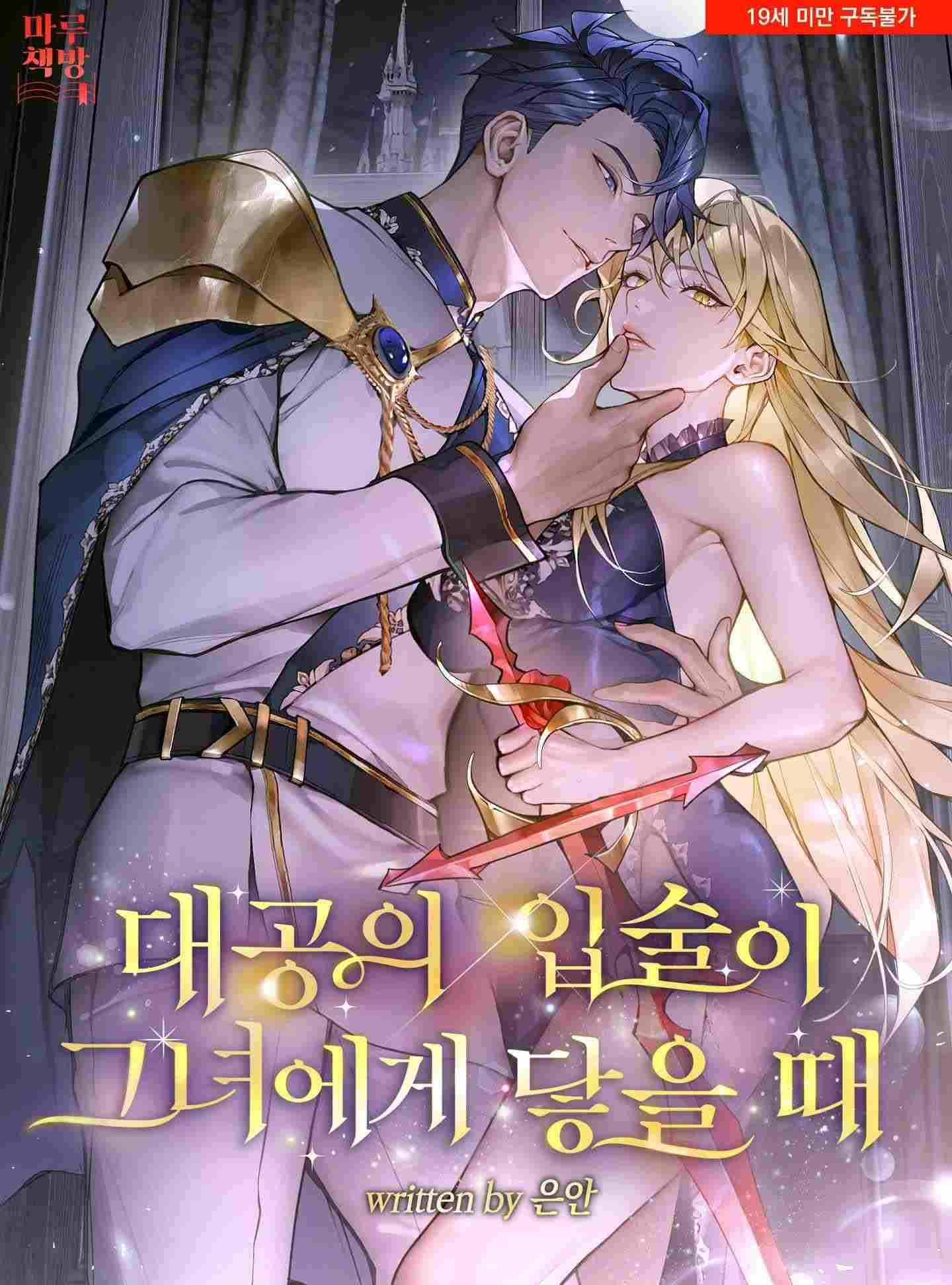
'Choose. Will you be Caleb Sanders plotting treason, or Caleb Finis, a loyal subject of Pergos?' This single line contains the entire thematic skeleton of the story. Names aren't just labels here—they're allegiances, identities, inherited souls. The Sanders name carries honor, trauma, history, and rebellion all at once. Finis means 'end' in Latin. Adam doesn't just rename Caleb—he marks him as the ending of something and the beginning of something else. But Caleb's internal resistance, his inability to fully shed the name, suggests that identity isn't something you can erase through force. It burrows deeper.
Then there are the eyes. Greg's gray eyes—the text specifically notes that 'most people in the Sanders Grand Ducal family had navy blue eyes, though the saturation varied' and Caleb had 'occasionally been suspicious' about this difference. The eyes become a symbol of the fractured family, the sibling who looked different, felt different, was different. Greg's mother 'tore my mother to pieces' and Greg 'just did the same to her'—the revenge mirrors the original violence like a reflection in water, distorted but recognizable. The gray eyes are the inherited mark of a mother's vengeance, passed down to the son who will become the instrument of it.
And finally, the hand. Caleb's right hand—the one that 'had been used to escort Elfleda, to hold the hands of noble young ladies' throughout the banquet—becomes the hand Rudbeckia kisses at the end. It's the hand he could not use to strike Greg. The hand that remained still while his heart shattered. And she places her lips on it anyway. There's something almost religious about that gesture—a blessing, a compensation, a vow. The themes of inheritance, betrayal, love, and the bodies we carry through it all converge in that single touch.