What Did You Eat Today, Baby? - Reviews

What Did You Eat Today, Baby?
+Add to Custom List
Sort
Add review
... Read More
Okay so let me just say — the little demon possession theory was honestly one of my favorite plot devices in this whole stretch. Not because it was scary or anything, but because of how the author played it. Dong Mian starts spiraling: what if the demon IS possessing Riri? What if it's hiding in plain sight? And then Yin Tian just... destroys the theory with pure logic. Like, the kid is malnourished and scrawny, the demon would starve too, and it's right under Yin Tian's nose which is the most dangerous place. Boom. Case closed. I love how the author sets up this paranoid atmosphere and then immediately deflates it. It's a classic misdirection — makes you worry for a second, then you feel stupid for worrying. But here's the thing that keeps bothering me: the doctor's diagnosis. Indigestion? Somatization from mental stress? The author is definitely laying groundwork for something deeper. That red glow when Dongri vomited blood, the spells not working — all of it points to something supernatural that a regular doctor would never explain away. I'm genuinely curious what the author is building toward here. And then there's the nightmare sequence — Dongri being chased by that beast in endless darkness, and then this INVASIVE consciousness trying to separate from his body but failing, creating this weird symbiotic trap. That scene alone is enough to make me theorize for hours. The beast, the consciousness, the darkness — it all feels like it's connected to something bigger. I just have a feeling the nightmare isn't over.
... Read More
There's something deeply symbolic about hunger running through this entire passage, and I think the author is using it as a metaphor for identity itself. Dongri is a Taotie - a mythological creature defined by its insatiable appetite. But his hunger isn't just physical. When he says 'I used to always be hungry, not full, so pitiful,' he's describing more than starvation. He's describing a fundamental lack, a void that nothing seems to fill. And then Papa takes him in and feeds him until he's full - but the hunger for acceptance, for belonging, for the freedom to be his true self? That hunger remains. Hence the secret with Pei Qinglu: it's the only space where he doesn't have to hide. Pei Qinglu mirrors this in a different way. He's a black dragon who 'can't show you more' because he's sick. His true form is hidden, just as Dongri's is. The vertical pupils he reveals are a glimpse of his real self - and the fact that they're blue, not the expected color, suggests that even his identity is more complex than it appears. 'Although you look like an ordinary human, and I can't smell any scent on you, my intuition has always been very sharp.' He sees through appearances, just as Dongri does. The concept of 'not human' runs through everything. Dongri is terrified that his Papas will be scared if they know what he really is. Pei Qinglu's protector refers to Yin Tian as 'a mere demon dragon' - dehumanizing language used as a weapon. Yin Tian fires back with 'A mere demon dragon, don't learn from humans and play the father-son affection game' - flipping the script, suggesting that being called a 'demon' is an insult only because humans have made it one. The hospital setting itself is symbolic. It's a place where people come to be healed, to reveal their vulnerabilities, to strip away their masks. And in this liminal space between the human world and the supernatural, two kids who can't be themselves anywhere else finally find someone who sees them. The ward becomes a confessional, a sanctuary, and a battlefield all at once. I'm also struck by the food symbolism. Dongri's enthusiastic praise for Pei Qinglu's cooking - 'the most delicious food I've ever eaten' - isn't just about taste. It's about being cared for, about someone choosing to nourish you. And Dong Mian's wounded pride as a restaurateur is almost comical, but it's also touching: he wants to be the one who provides that care, that sustenance.
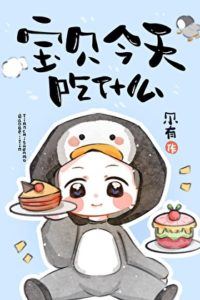
... Read More
I'm not okay. I am genuinely not okay after reading the Dongri and Pei Qinglu interaction. Here's what got to me: both of these kids are fundamentally alone despite being surrounded by people who care about them. Dongri has Papa and Daddy who feed him and love him, but he can't tell them he's a Taotie because he's afraid they'll be scared. Pei Qinglu has this protective figure in the ward who calls him 'child,' but he's sick, he can't show his true form, and he's clearly dealing with something serious on his own. When they meet, the moment Pei Qinglu says 'Don't worry, I'm not human either,' and Dongri's 'vicious thoughts subsided' - that's not just relief, that's two lonely beings recognizing each other across whatever divides them. And then Pei Qinglu shows him his vertical blue pupils, and Dongri confirms he can smell spiritual energy but can't identify the race. They're both hiding something, both sick, both unable to be their true selves, and in that shared vulnerability they become immediate allies. The conversation that follows is absolutely precious. Dongri goes from 'I used to always be hungry, not full, so pitiful' to 'Papa bought a lot of cakes, they look different, they're all very delicious!' - this kid's emotional range is all over the place and it's because he's a child who's only recently had his basic needs met. The hunger trauma is real, and the fact that he can now talk about cakes with genuine joy instead of desperation? That's the emotional core of the whole scene. And Pei Qinglu - this boy who could be intimidating, who has dragon blood and spiritual power - just LISTENS. He doesn't find Dongri boring or annoying. The text says he found the little cub 'very interesting to talk to, like opening a treasure blind box of a language map, unable to guess what he would say next.' That's not pity. That's genuine fascination and warmth. The secret pact between them feels like the most honest relationship either of them has ever had. 'Let's treat this as a little secret between us.' Two kids who can't be themselves around anyone else, finally finding someone who understands.
... Read More
I need to talk about Dongri for a minute because THIS CHILD is absolutely devastating in the best way possible. The moment Pei Qinglu calls him 'Baobao' and Dongri just... happily agrees? Like, Yin Tian and Dong Mian are having an existential crisis because they think it's some demon kid's sweet talk, but the reader knows the TRUTH - this little Taotie has been calling HIMSELF Baobao this whole time. He's so used to it that he doesn't even correct the boy. That single detail tells you everything about his character: he's a creature of instinct and hunger who has only recently been taken in by loving parents, and he's still figuring out who he is. And then there's the scene where he threatens Pei Qinglu: 'If you tell anyone, I'll fight you to the death!' The author explicitly notes that in Pei Qinglu's eyes, this doesn't sound threatening at all - it sounds 'like a kitten acting cute, trying hard to extend its harmless claws.' This is such a perfect character moment because it reveals Dongri's entire situation: he's powerful (he's a TAOTIE for heaven's sake), but his spiritual power is at zero because he was starving. His threats are all bark because his body doesn't match his ambition. And yet he TRIES. He tries so hard to be fierce, and the fact that he fails makes him infinitely more endearing. But the real character depth comes when Dongri makes his internal decision: he will NOT tell his Papas about Pei Qinglu. Not because he doesn't trust them, but because he's terrified they'll be scared. 'Humans were very fragile beings. He didn't even need to do anything, just knowing his true identity would probably scare Papa to death.' This is a child who has only recently found family and is already willing to carry secrets alone to protect them. That's not naive - that's genuinely mature in a way that hurts. Then there's the dynamic between Yin Tian and Dong Mian. The telepathic communication, the way Yin Tian thinks 'Forget it, you ask him' because he knows he's too intimidating, and Dong Mian immediately understanding. Two months of living together and they've developed this unspoken rhythm. Dong Mian is the one who stays behind to guard Yin Tian, and when Yin Tian gets wounded, Dong Mian's immediate reaction isn't to the battle - it's 'Are you okay!' touching the blood on his face. That's not duty, that's devotion.
... Read More
Okay so let me just say this first: the pomelo scene is the single most important relationship moment in this entire arc and I need everyone to understand why. Dongri eats the entire pomelo, skin and all. Not because he's weird — because he's survived on sour, bitter, astringent fruit peels during the worst period of his life. That memory is literally what kept him alive. And when Yin Tian asks him whether he's human, Dongri's first instinct isn't to explain, it's to think about biting through someone's throat. That is a survival response from a creature who has never known safety. But here's what absolutely wrecked me: Yin Tian doesn't flinch. He doesn't scream. He doesn't call him a monster. He just smiles and says, "You ate it all, that's amazing." Then later, when he discovers Dongri might not be human, he's calm. Calm. Like this is just another thing he's already accepted about the kid he's raising. Meanwhile Dong Mian is over here losing his mind about keeping Dongri safe, and Yin Tian is the one who actually gets it — that Dongri's hunger isn't just physical, it's the hunger of someone who spent years not knowing where his next meal was coming from. The way they complement each other as parents is honestly perfect. Dong Mian is the fierce protector, Yin Tian is the one who sees Dongri for who he really is and loves him anyway.
... Read More
I keep coming back to this question: what is the actual conflict here and what happens if they lose? On the surface it's the little demon — some ancient evil entity that can possess children and hide its aura. But the stakes feel more personal than that. Dong Mian is haunted by the fact that he and Yin Tian are 'imposters' as parents. The doctor's suggestion about psychological trauma hits Dong Mian like a truck — he realizes they've been feeding the kid to soothe him rather than actually addressing his emotional needs. That's a different kind of danger. Not demonic possession, but parental failure. The nightmare sequence is where this conflict becomes visceral. Dongri is trapped — the invasive consciousness can't escape his body, his body won't let it escape, and they're both terrified of the beast in the darkness. That symbiotic trap is the perfect metaphor for everything. The little demon might be injured and hiding, but it's already inside something. Dongri's body is sealing it in while simultaneously being controlled by it. And the real stakes? Dong Mian knows he doesn't deserve to be a father. He's learning as he goes. Yin Tian is a great demon who apparently can't stop harassing his partner telepathically but also can't stay away from the kid. The beast in the nightmare — is that the little demon? Is it something else? The author hasn't confirmed anything but the fear is real. Dongri's terror isn't just about a monster under the bed, it's about something that wants to consume him and he can't run from. That's the core conflict: you can't escape what's already inside you, and sometimes the thing trying to get out is just as scared as the thing trying to keep it in.
... Read More
I need to talk about Yin Tian because THIS MAN is a whole mood. First, the nightmare scene where Dongri wakes up screaming 'don't eat me!' and Yin Tian's immediate reaction is just... confused offense. Like, bro, I literally just saved your life and this is how you repay me? His internal monologue about swallowing the kid after fattening him up is both hilarious and deeply concerning. But then he actually stays by the hospital bed. He guards the kid through the fever. He's visibly hurt when Dongri pulls up the quilt to hide from him. The kid's fear is REAL and it cuts. Meanwhile Dong Mian is over there being the perfect parent — calming spells, gentle patting, soft words — and Yin Tian is just... existing in the background, unwanted but unwilling to leave. And then the collar thing. Dong Mian threatens to put a collar on him and Yin Tian just says OK. Like, no resistance, no pushback, just 'if you like to play like this, I will cooperate.' I keep going back and forth on whether this is devotion or something more complicated. The telepathic harassment is real though — 'you're such a good wife' at a HOSPITAL BED. Dong Mian's despair is palpable. I laughed out loud. These two have such a weird, chaotic, deeply codependent dynamic that I can't look away from. Dongri hiding under the covers from Yin Tian is the funniest and saddest image I've seen in this entire arc.
... Read More
The pacing in this section is honestly masterful. Let me break it down because the author does something really clever here. You start with Dong Mian's paranoid spiral about the possession theory — that's tension, that's worry. Then you cut to the next day with test results, and suddenly it's... medical drama? The fever, the vomiting blood, the doctor's diagnosis — it's all building this sense of unease. Dongri's nightmare sequence is where it peaks. The darkness, the beast, the invasive consciousness, the suffocation — it's intense and claustrophobic and I literally held my breath reading it. And then. And then Dongri wakes up screaming and the WHOLE TONE SHIFTS. Yin Tian's offended face, the kid crying about not being delicious, the injection scene where Dongri only cries because of the needle and not the nightmare — it goes from horror to comedy in two paragraphs. That's not easy to pull off. The author uses the injection as a perfect tonal pivot. Dongri was brave through the nightmare but breaks at a needle prick. Then Yin Tian starts laughing and calls Dong Mian 'wife' and the whole thing becomes this domestic comedy about two guys raising a kid. The chapter structure itself is interesting too — Chapter 14 is 'Believe It or Not, I'll Really Put a Collar on You' which is both a threat and a joke, and Chapter 15 starts with 'But, Not Full, Want Meat' which tells you everything you need to know about the author's sense of humor. The pacing never lets you settle into one emotional register for too long.
... Read More
The dialogue in this section is what convinced me the author really knows how to write distinct character voices. Dongri's speech patterns are perfect — short, fragmented, sometimes missing punctuation in his head, full of self-correction. "I, I am human, I am a little human…" That repetition isn't just nervousness, it's a child trying to convince himself as much as the person asking. And then his internal monologue about biting throats? That's not Dongri being edgy, that's the survival instinct of someone who has never been taught that violence isn't the answer. Yin Tian's dialogue is similarly distinct — dry, understated, with this dark humor that comes from being an ancient demon who has seen everything. "That kid was really a big eater" said while carrying five or six takeout bags. The casualness of it contrasts perfectly with the supernatural stakes. And Dong Mian's voice is the most emotionally honest of all. When he says "Don't say that about him" about the pig comment, it's not angry — it's protective in that quiet, firm way that fathers have. Every line he speaks reveals something about his character without him ever having to explain it. The dialogue between Yin Tian and Dong Mian about leaving Riri alone in the ward is also fantastic — two ancient beings who have never raised a child having a conversation that any parent in the world would recognize immediately.
... Read More
The tension in these chapters is absolutely suffocating and I love it. Let's break down the stakes on multiple levels because the author is playing a very sophisticated game here. On the surface, you have Yin Tian and Dong Mian looking for Dongri, who sneaked out of his ward. That's a parental concern plot - low stakes, domestic, almost comedic when Dongri stammers 'I remembered, but I forgot.' But then you layer on the supernatural stakes: Dongri is a Taotie who almost revealed his identity to Pei Qinglu, a black dragon. They've made a secret pact, and if that secret gets out, everything changes. Dongri's entire relationship with his Papas is built on them not knowing what he is. The moment that changes, the family dynamic could shatter. Then there's the adult conflict, and this is where it gets REAL. Yin Tian and the dragon protector are already at each other's throats before anyone throws a punch. Yin Tian's provocation about Pei Qinglu being 'a short-lived dragon' isn't just cruelty - it's a calculated strike at the one thing this protector cares about. He KNOWS what will make him lose control. And it works. The combat description is where the stakes become viscerally clear. 'If this great demon attacked without regard, the destructive power he unleashed could flatten several cities around him on the spot.' This isn't a fight between two people - this is a fight between two WMDs, and Dong Mian is the only thing standing between them and mass casualties. His power to absorb and redirect attacks through trees 'all over every corner of the world' makes him the ultimate pressure valve, but the text makes it clear he's struggling: 'he only felt that his body was about to be split in half.' What keeps me on the edge of my seat isn't just the physical danger - it's the emotional landmines. Every word Yin Tian speaks could escalate this further. Every reaction from the dragon protector could determine whether this ends with a wound or a massacre. And through it all, Dongri is asleep in another ward, completely unaware that his secret friend's family and his own family are about to collide. The suspense is maintained because the author never lets you forget what's at stake on every level. Personal identity. Family bonds. Physical safety. Potential city-level destruction. It's layered tension that never drops below a simmer.
... Read More
The pacing in these chapters is genuinely masterful and I want to break down exactly why. We start with a scene that feels almost domestic — Dongri eating, Yin Tian being nice, a little demon reveal that creates tension but resolves with Dongri just being Dongri. It's warm. It's funny. It lulls you. Then Yin Tian goes to buy breakfast and comes back with Dong Mian, and the mood shifts. The aura detection begins. The hospital becomes a hunting ground. Every step they take builds this pressure — the demon is HERE, in THIS hospital, and they're closing in. And then the masterstroke: Yin Tian raises his spear, ready to burst through the door, and HESITATES. Just for a few seconds. Because he's curious about the aura discrepancy. And because of those few seconds of hesitation, Dongri walks out first, and they see him alive instead of turning him into ash. That hesitation is the entire structural pivot of the chapter. Without it, Dongri dies. With it, the story continues. The author could have made Yin Tian act decisively — he's an ancient demon after all, he's killed gods — but instead he chooses curiosity over certainty, and that choice saves the protagonist. That's not just good pacing, that's good storytelling at its most fundamental level: character decisions driving plot consequences.
... Read More
I have to talk about the transformation scene because the author's visual writing is on another level here. You start in what feels like a mundane hospital ward - Dongri is sleepy from carbs, the parents are having a domestic conversation about whether he'll run out again. It's almost cozy. Then Dong Mian knocks and asks 'Hello, is it convenient to come in?' and the moment he steps forward, 'the surrounding environment suddenly changed drastically, and the ordinary ward instantly turned into a boundless black illusion.' The word 'boundless' is doing so much work there. This isn't just a room that changed - the entire spatial reality of the ward has been consumed and replaced. And then the killing intent hits like a physical force. 'A chilling and brutal killing intent rushed straight at Dong Mian' - the author makes you FEEL this, not just see it. Dong Mian is pinned, unable to move, and Yin Tian has to react instinctively to shield him. What's brilliant is how the author uses this supernatural environment to reflect the emotional state of the confrontation. The ward was a place of healing and rest - Dongri was literally sleeping in it moments before. Now it's a battlefield. The contrast between the domestic warmth of the earlier scene and this sudden void creates this jarring disorientation that puts you exactly in Dong Mian's shoes. And then there's the visual of Yin Tian's weapon - 'a black spear nearly two meters long, burning with red and blue flames all over, emitting a terrifying and eerie aura.' The color contrast here is striking: black spear, red and blue flames. It's visually arresting and it matches Yin Tian's character - dark, dangerous, but with this layered complexity underneath. The man's attack is described as 'two brilliant orbs of blue lightning' - and now you have red/blue flames versus blue lightning, a color symmetry that the author is clearly playing with. Dong Mian absorbing both attacks and being able to transfer the damage to trees 'all over every corner of the world' - this worldbuilding detail about his power source (connected to all trees globally) is dropped almost casually but it expands the scope of the world enormously. The author is building a world where supernatural beings can hide in plain sight in human hospitals, where wards can become dimensional pockets, and where a single conversation can escalate to city-destroying combat. It's expansive without feeling cluttered.

Leave a comment

You must be logged in to leave comments. or
