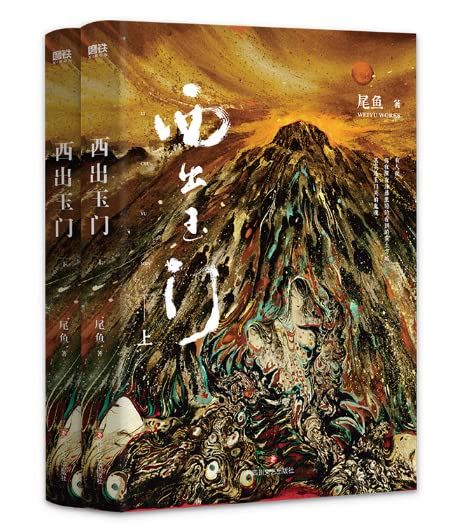
I just finished reading chapters 110 through 114 and I need a minute because the pacing in this section is SICK.
Let me break down how the author controls the rhythm here, because it's one of those things you only notice when it's done really well.
The section opens with what seems almost... casual. Ye Liuxi and Chang Dong are talking about fashion. Strong contrast. Cold noble beauty in dirty alleys. It's literally a conversation about aesthetics. And I'm reading it thinking, okay, this is a breather, a character moment. And then — bam — Chang Dong asks if she's coming on the search, and suddenly we're back in survival mode.
That transition is so smooth you don't even feel it happen. One moment they're discussing fashion photography, the next they're talking about whether they're going to die in a desert. The tonal whiplash IS the point though, isn't it? Life in this world doesn't give you warnings.
Then Fei Tang arrives — and here's where the pacing really picks up. He's stumbling, pale, lips blue. He can't find the way. The markers are gone. The tire tracks are wrong. And the author doesn't rush this. We get the details: the sharp turns that shouldn't be there, the tracks that go backward, the yardang that swallowed everything. Each detail is a beat, a step deeper into the trap.
"Being dragged last night, then Qiao Meina's car door mysteriously opening, and now the strange tire tracks—this was the third incident."
THIRD. The author just drops that number like a bomb. Three incidents. And we're only now learning about the first two. That's excellent information control — withholding just enough to make you curious without overwhelming you.
And then, right after this peak of tension, the author CUTS to: the camp maintains a peaceful atmosphere. Models getting into their groove. Shutter clicking. The absolute normalcy of it all while Fei Tang is crouched in a corner shaking.
That contrast is the author's way of saying: the world doesn't stop for your crisis. Some people will keep living their lives while others are falling apart. And then — FEI TANG approaches YE LIUXI. The tension doesn't release; it just MOVES. It shifts from external (the desert, the missing tracks) to interpersonal (who can you trust, what are you willing to do to survive).
The pacing never lets you breathe, but it also never rushes. It finds these little pockets of calm and then pulls the rug out. I am NOT ready for what happens next.