Vengeance Should Be Grim And Regal - Reviews

Vengeance Should Be Grim And Regal
+Add to Custom List
Sort
Add review
... Read More
The washing water scene is probably the most symbolically rich moment in this entire batch. Sezlin hands the basin to Lina and says 'Drink it.' Then later: 'Since the water is clean, it seems perfect for quenching your thirst.' Clean water that she's been forced to use for dirty tasks, now turned back on the person who deserved it. And the line—'You probably haven't had water since morning because you've been busy helping me wash. So I'll take care of you, with water.' The irony is so layered. Water as punishment. Water as justice. Water as the thing she was denied while serving others. Then there's the white dresses. The text makes a point about how all the dresses from the Duke are 'plain white' or 'beige'—colors that the maids apparently prefer because they reinforce the 'villainess' image. Sezlin deliberately steps on the white canvas, crushing the embroidery, making permanent damage to clothes that would cost more than a month's salary to clean. 'The white, plain, clean canvas was being trampled miserably under her heel.' There's something deeply symbolic about her defiling the very garments that represented her prescribed role in this family. She was supposed to wear plain white and stay invisible. Instead she chooses the most splendid dress and ruins the plain ones on purpose. And the line that ties everything together: 'Like a truly wicked lady.' She's not trying to become good or kind or redeemable in the traditional sense. She's embracing the role they gave her and weaponizing it. The maids wanted a villain? Fine. But this time, it's on her terms. The theme here isn't redemption through kindness—it's power through self-acceptance. She stopped killing her personality to please people who despised her, and the result is someone who finally gets to exist.
... Read More
Okay so let me just... start by saying I was NOT expecting this opening to hit as hard as it did. The story drops us right into a HIGH stakes moment—Sezlin proposing to the First Prince in the middle of the night—and THEN does a full timeline shift. Like, one minute you're reading a bold confession scene and the next you're in a funeral. The author plays with time so cleanly that by the time we see the date: Azelan Year 1482, May, everything SNAPS into place. It's not just a gimmicky regression; it's a deliberate structural choice that recontextualizes the ENTIRE opening. "Please marry me." — and then Ludwig's response is literally "You've already said that." COMEDY GOLD wrapped in political intrigue. But then BAM, seven years later, April is dead and we get the full tragedy. The pacing here is masterful because the author doesn't over-explain the regression. We just wake up with Sezlin, check the calendar, and BOOM—she's back at twenty, right where it all began. What I love most is how the plot hooks you with a seemingly desperate proposal, reveals the stakes through flash-forward grief, and then resets the board with a second chance. Seven years of backstory are condensed into April's letter, the funeral scene, and a few devastating lines about the Second Prince's experiments. The narrative doesn't waste a single paragraph. And that ending? "If given another chance..." — I was genuinely on the edge of my seat. Honestly, the structure alone deserves applause. It could've been sloppy with all the time-jumping, but instead it feels like a well-oiled machine.
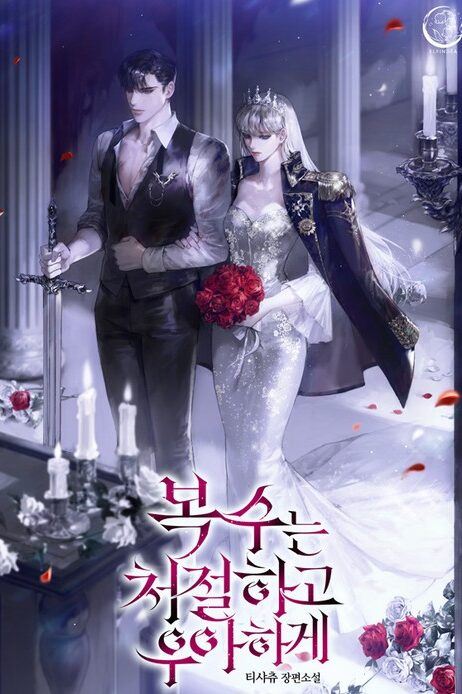
... Read More
I cannot get over how tightly wound this entire sequence is. Let me just list the conflicts happening simultaneously: Friedrich wants Ludwig DEAD. Ludwig knows it and is turning it into political leverage. Sezlin is trapped between a manipulative father and a potentially dangerous marriage. The Duke is panicking because the mine auction threatens his entire scheme. There's the Second Empress pulling strings from the shadows. AND Ludwig and Sezlin are negotiating their own survival in real-time while pretending everything is fine. The stakes escalate so naturally — one chapter you're worried about assassins, the next you're worried about a gold mine auction, and by the end you're thinking "what happens when the Duke comes crawling to beg for the mine back?" The scene where Ludwig reveals he's been monitoring Sezlin is a masterclass in tension. She calls him out immediately: "So you had me monitored." And instead of denying it, he just owns it. That's not confidence, that's calculated power. And then his response — an apology that isn't really an apology — while she watches him carefully. Both of them are playing chess and neither is blinking. The conflict never lets up because everyone has something to lose and everyone knows it.
... Read More
The symbolism in these chapters is hitting SO hard and I need to process it. Ludwig comparing the assassins to bugs and flies — that's not random. It's about HOW the imperial family views threats. To Ludwig, they're pests. Insignificant. Annoying but manageable. But to Friedrich, they represent everything he's willing to stoop to. The dog metaphor on top of that is brutal — "I never touched a dog while eating" which is both a literal statement about battlefield manners and a metaphor about not degrading yourself by killing someone who's already beneath you. And who's beneath whom? Friedrich sees himself as the rightful emperor but acts like a rat sending poison and blades in the dark. Meanwhile the gold mine itself is such a loaded symbol — it represents power, wealth, legacy, the thing that makes the throne worth fighting for. But it's hidden in an abandoned place. Isn't that exactly what the empire feels like? Gold buried under years of neglect and politics, waiting for someone smart enough to find it.
... Read More
Let's talk about what's actually at risk here, because the author stacks the deck beautifully. On the surface: Sezlin wants to marry the First Prince to take down the Second Prince. That's political conflict — who gets the throne, who gets power. Classic succession drama. But underneath: this is PERSONAL. The Second Prince tortured April to death. He called her a "valuable test subject." He killed her and didn't even attend her funeral properly — he left first. And Sezlin is going after HIM specifically. This isn't just about revenge; it's about justice for a sister who protected her until her last breath. The tension in that first scene with Ludwig is electric because we don't know his true intentions yet. Is he an ally? A tool? A potential threat? His line — "I'll kill him for you" — is both a promise and a warning. This man has power, and he's offering it to her. The question is: what does HE want in return? And then there's the internal conflict eating Sezlin alive. She spent seven years hating her sister, only to discover April was牺牲 for her the entire time. That guilt is going to fuel every decision she makes in this second chance. How do you move forward when you're drowning in regret? "If given another chance..." The story ends on this incomplete thought, which is genius. We don't know if she'll succeed, but we know she's determined. The stakes have never been higher — her life, her sister's memory, the fate of the empire — and I am OBSESSED.
... Read More
OK let's talk about STAKES because this scene has them RAMPANT. On the surface it's about stolen jewelry, right? But the real stakes are so much higher. If Sezlin fails to expose the maids, she stays in the same position—bullied, stripped of her dignity, and invisible. The head maid literally threatens her reputation: 'Is that what you want? To tarnish the Brioden family name?' That's emotional blackmail at its finest. And then the imperial jewelry detail—that's the nuclear option. If that gets out, it's not just dismissal, it's potentially treason. These maids were gambling with their lives AND Sezlin's. But what really gets me is the INTERNAL conflict. She's fighting herself too. The 'last remaining pride' that makes her refuse to show weakness, the conscience that whispers sorry to April while she's manipulating her—this isn't a clean victory, it's messy and complicated and THAT's what makes it so tense. Every beat could go wrong. April could see through it. The Duke could side with the staff. And the author keeps us on edge by showing us exactly what Sezlin stands to lose at every turn.

Leave a comment

You must be logged in to leave comments. or
