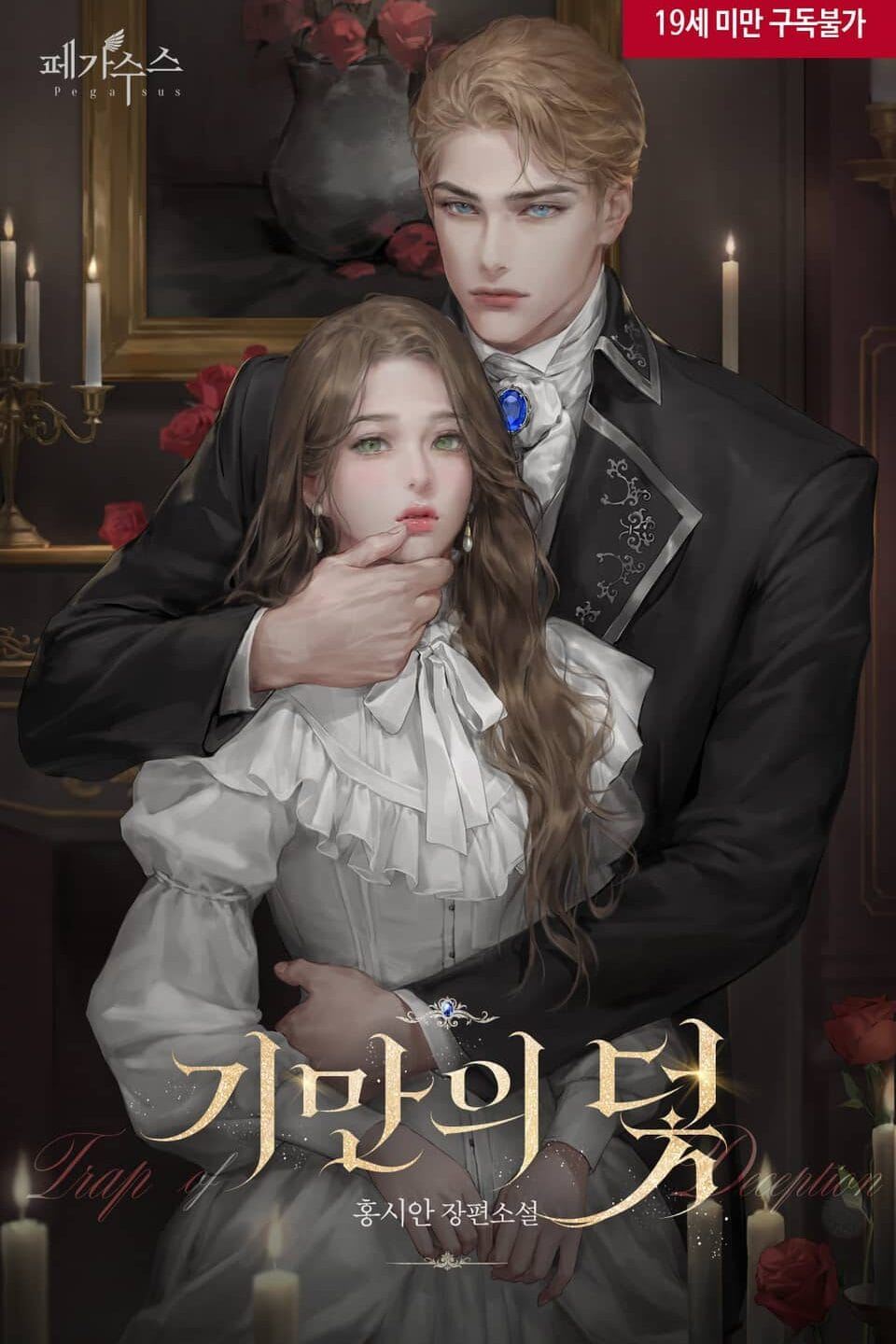
There are three images in this passage that I can't stop thinking about, and they're all symbols for something bigger.
First: the lace. Aila's lace. She's been weaving these intricate, delicate pieces of fabric—something associated with femininity, patience, domesticity—and she's bringing them to her father as a gesture of love and duty. But Georg treats it like trash. He 'crumpled in displeasure' and shook it away. The lace represents everything Aila has to offer: her labor, her care, her attempt to connect. And her father can't even see it. What's more, the lace is something she learned to weave while working at the ducal castle—a place that, despite its dangers, gave her a skill, a purpose, a community of other servants. The lace symbolizes her agency, however small, and Georg destroys it before he even touches it.
Second: the axe. Georg striking the wood with violence, his body already broken from previous beatings, lashing out at inanimate objects because he can't control the forces closing in on him. The axe splits the log 'with the sound'—thwack—and then he 'thrusted the axe head into the ground with a thud.' This is displaced rage. He was beaten by the merchant's men, and now he's beating the wood, and soon he'll be beating his daughter. The axe is the instrument of his power, and it's always directed at something weaker.
Third: the frozen lake. Dantalion's eyes are 'as cold as a frozen winter lake.' This is such a deliberate image—a lake that appears still and peaceful on the surface but is deadly underneath. This is exactly who Dantalion is: composed, elegant, seemingly calm, but capable of unimaginable cruelty when provoked. And the winter setting connects to his territory—Ishelbach, the 'barren frozen land of the northwest.' He didn't just inherit a cold place; he became cold. The landscape shaped him, and he shaped himself to match it.
But the most powerful symbol might be the back gate itself. Aila meeting her father in darkness, near an exit, holding lace like an offering. She's positioned at the threshold—never quite inside the castle, never quite free from her father. The back gate represents her liminal existence: neither fully a servant of the duke nor fully a daughter of Georg. She's slipping through the cracks, and both men want to pull her in opposite directions. The gate is open, but she doesn't know which way leads out.