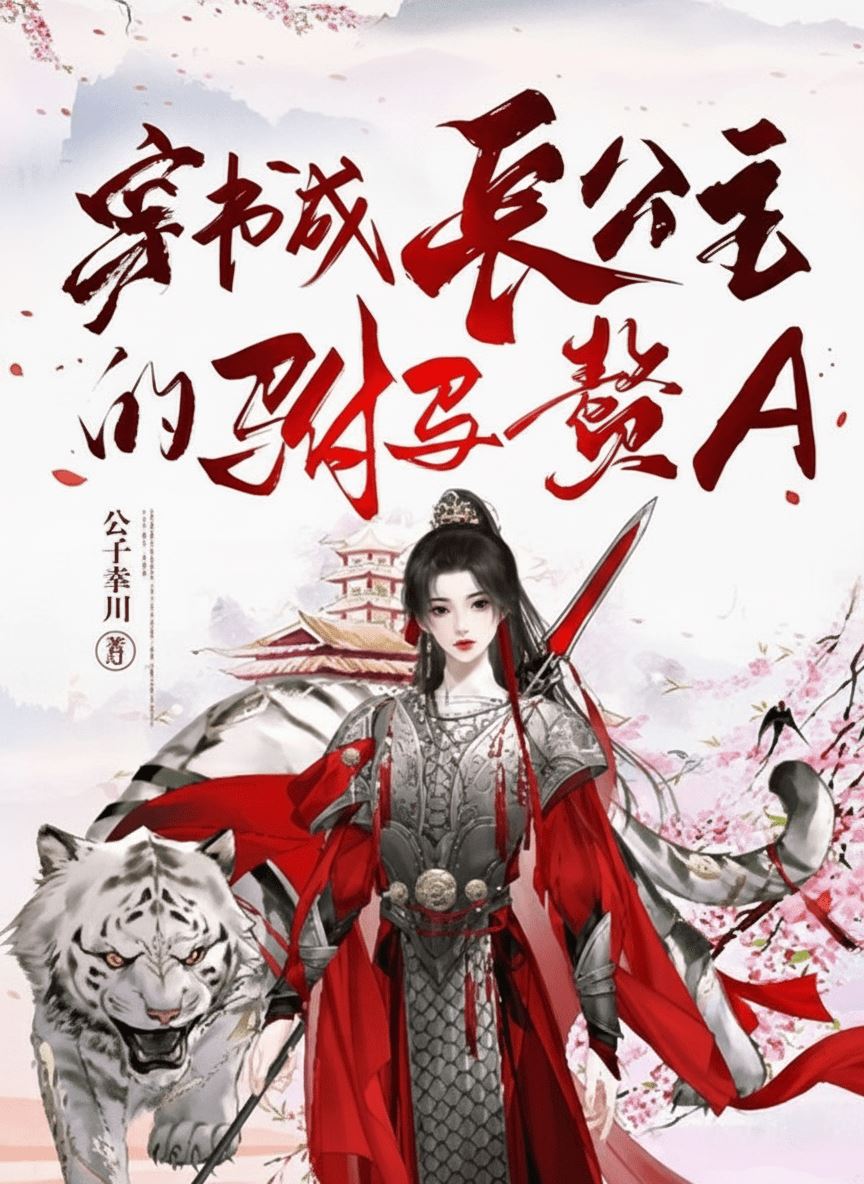
I have to admit something: I went into this expecting stiff, formal dialogue because it's a historical transmigration story with ABO dynamics, and those genres often default to overly polite or archaic speech patterns. But the dialogue here is surprisingly sharp and efficient, and when it does go formal, it feels earned rather than affected.
The standout moment has to be Yu Jiuzhou's only line of dialogue: "Get out!" One word — well, two — and it conveys everything. The rasping voice, the malice, the barely-contained fury, the fact that she's physically compromised but still refuses to show weakness. It's the kind of line that sticks in your head because it's so perfectly distilled.
Chi Wan's dialogue, by contrast, is almost nonexistent. She says "Don't be afraid, I'm not a bad person" and "I can cure the aphrodisiac you've been given. I really can." And that's actually the right choice for this character. She's in shock, she's fighting biological urges, she's negotiating for her life — she doesn't have the luxury of being witty or expressive. The sparseness of her speech makes you feel her desperation.
The narrative voice is another thing I want to praise. It's close third person, staying firmly anchored in Chi Wan's perspective, and the prose has this cool, observant quality that suits the winter setting. Descriptions like "the tragic, broken Grand Princess still stood proud against the wind and snow" carry emotional weight without being purple or overwrought. The author trusts the reader to feel the poetry without spelling it out.
There's also this great moment where Chi Wan thinks about Yu Jiuzhou's scent being "more potent to a Qian Yuan than any aphrodisiac" — that's world-building through internal monologue, and it feels natural because it's coming from a medical professional who's analyzing her own physiological response. The narrative voice respects the character's expertise even as it puts her in an impossible situation.