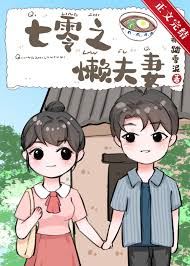
I've been thinking about this text all day and the more I sit with it, the more I realize how many layers are hiding under what seems like a simple transmigration story.
Let me start with the broom. Wen Ruyu uses it to beat her stepson, yes, but think about what a broom represents. It's a tool for cleaning. She's literally 'cleaning up' the family's reputation through violence. The broom is domestic, feminine, ordinary—and she weaponizes it against the son who's bringing shame. There's something deeply symbolic about choosing that particular implement. She's not using a sword or a whip; she's using the tool of a housekeeper. She's performing discipline as household maintenance.
Then there's the medicine. Bitter, necessary, something you swallow even when you don't want to. Wen Ruyu drinks it without complaint, then immediately follows it with sugar. This feels like a metaphor for her entire situation in this new life—swallowing bitterness, managing pain, sweetening the pill for everyone around her. She's playing the role of the sickly matriarch while secretly running the household like a CEO. The medicine is her public suffering; the sugar is the image she curates.
And the paintings! These Hanfu designs she's sketching from memory—this is her actual self, the part that isn't performing. In her past life she ran an online business, designed clothes, created things. Here, she's confined to a courtyard, expected to be a sickly widow managing a household. But the painting is her escape, her legacy, her way of saying 'I am still me even if no one sees this.'
The recurring theme throughout is performance versus reality. Wen Ruyu performs sickness but is actually strong. She performs maternal fury but is actually calculating. Lu Bainian performs shamelessness but is actually terrified. Lu Songnian performs filial duty but resents his brother. Everyone is wearing a mask, and the story keeps peeling them back one layer at a time.
What's fascinating is how the author never judges this. The characters perform because they have to—because family reputation, social hierarchy, and survival depend on it. The question the book seems to be asking is: when everyone is performing, who gets to be real, and at what cost?