Transmigrated in the '90s as a Little Dumpling
+Add to Custom List
Novel Info

Summary

... Read More

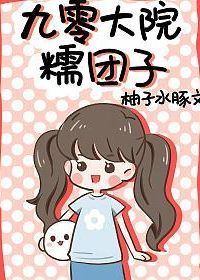
Song Qiaoxi, a ten-year-old orphan raised in a welfare home, falls asleep reading a novel set in 1996 and wakes up transmigrated into the body of the book’s protagonist, a six-year-old girl with the same name. The original character was spoiled, rebellious, and ultimately responsible for her family’s destruction and her own tragic death in poverty. Upon gaining consciousness, Song Qiaoxi finds herself at Qizhou Railway Station, where she is immediately targeted by a human trafficker. Despite her small size, she fights back and alerts the police, who rescue her. Her savior is Chu Jin, a thin, pale neighbor boy who is one year older than her. Chu Jin, who has recently lost his parents and is facing abuse from relatives, calls the police and disappears before Song Qiaoxi can properly thank him.

Song Qiaoxi’s new parents, Song Jianguo and Qiao Qin, arrive at the station. Unlike the cold indifference she experienced in the welfare home, they embrace her with overwhelming warmth and relief. Song Qiaoxi, moved by their unconditional love, vows to protect her family and prevent the tragedies that befall them in the original story. Her parents discover Chu Jin’s plight and invite him to stay with them temporarily while they attempt to contact his relatives. Song Qiaoxi, recognizing Chu Jin as the future villain who once saved her in the book, feels a deep sense of responsibility toward him. She tries to befriend him, offering him food, but Chu Jin, hardened by betrayal and neglect, remains distant and suspicious.

At home, Song Qiaoxi adjusts to her new life, determined to be a good child. She attends preschool, where she confronts her past misbehavior. When she and her friends accidentally remove bicycle bells from the school shed, she takes responsibility and returns them, earning praise from her teacher. This marks a significant shift from the original character’s rebellious nature. Meanwhile, Chu Jin is taken in by his uncle, but Song Qiaoxi worries about his treatment. She maintains contact through phone calls, though Chu Jin remains aloof.

As the summer vacation progresses, Song Qiaoxi excels in her studies, achieving top marks and pleasing her parents. She spends time with her new family, enjoying simple pleasures like meals and outings, which contrast sharply with her previous life of scarcity. Her parents’ kindness and stability provide her with a sense of security she never had before. She continues to monitor Chu Jin’s situation, hoping to intervene if he faces hardship. The story follows her efforts to navigate her new identity, repair her relationship with Chu Jin, and ensure her family’s happiness, all while avoiding the pitfalls that led to the original character’s downfall.

Song Qiaoxi’s journey is one of redemption and adaptation. She uses her knowledge of the future to guide her actions, striving to create a better outcome for herself and those around her. Her interactions with Chu Jin highlight the potential for change, as she seeks to reach the boy who is destined to become a villain. Through her determination and the support of her loving parents, Song Qiaoxi begins to rewrite her fate, transforming from an orphaned reader into a cherished daughter and a protective friend.

Latest Release
DateGroupRelease
2026-08-11shanghai fantasy c159
2026-08-11shanghai fantasy c158
2026-08-11shanghai fantasy c157
2026-08-11shanghai fantasy c156
2026-08-11shanghai fantasy c155
2026-08-11shanghai fantasy c154
2026-08-11shanghai fantasy c153
2026-08-11shanghai fantasy c152
2026-08-11shanghai fantasy c151
2026-08-11shanghai fantasy c150
2026-08-11shanghai fantasy c149
2026-08-11shanghai fantasy c148

Community Reviews

Rating(3.9 / 5.0, 34votes)
5 stars
11(32%)
4 stars
11(32%)
3 stars
8(24%)
2 stars
4(12%)
1 stars
0(0%)

Popular reviews

... Read More
I'm not even going to pretend I'm being objective about this—Song Qiaoxi's dialogue is the best thing about this entire passage. The author has given her this incredibly distinct voice that you can hear the moment she opens her mouth. She's hungry, she's impatient, she's completely unfiltered, and she has zero shame about it. When she's negotiating with Jiang Qisheng, she's just thinking about sticky bean buns and sweet and sour ribs. That's not a plot detail, that's CHARACTER. She's a kid who cares about food above all else, and the author makes that feel so natural. And then there's the crispy rice line. I literally laughed out loud. "It's just like pressing rice into crispy rice; with a 'pop,' it turns all flat and dry!" She's comparing herself to cooked rice. In a serious moment. This kid has no filter, no self-awareness, and I love her for it. Chu Jin's dialogue is the perfect counterpoint. He says almost nothing. "Let her go." "Are you okay?" "Okay." Three sentences in the entire confrontation, and each one hits differently. His silence speaks volumes, especially after the shoulder throw when he immediately shifts to checking her knee. The narrative voice itself is also doing a lot of work here. It's warm, slightly ironic, never judgmental. When it describes Jiang Qisheng's yellow belt drooping "like a limp pickle," that's not just funny—that's the narrator having fun with us. The author trusts the reader to get the humor without explaining it. The moms calling their kids home for dinner is another dialogue highlight. It's background noise that somehow becomes the most grounding moment in the scene. Those snippets of conversation—"Qiuqiu, what time is it?" "Song Niannian, hurry back!"—they create this entire world without a single exposition paragraph.
... Read More
This chapter is a masterclass in emotional pacing and I need to break down why it works so well. It starts at MAXIMUM chaos—Song Qiaoxi vomiting in public, Wang Junyang trying and failing to help, Chu Jin grabbing the kid's wrist like a bodyguard, Uncle Wang dragging his son away by the ear. It's loud and frantic and almost comedic. Then it transitions into the warm, domestic dinner scene where we get the backstory through overheard conversation. The kitchen sounds—chopping board, faucet clattering, range hood roaring—create this cozy but slightly tense atmosphere because we're eavesdropping on something serious. Then BEDTIME. The pace drops to a whisper. Fan swinging, soft breathing, a lullaby, darkness. And right when you think it's going to stay peaceful, Chu Jin's nightmare hits. The sobbing wakes everything back up, but it's a different kind of tension—emotional rather than physical. Then morning comes and it's all routine again: hair braiding, breakfast, dad leaving for his night shift. The chapter moves from external chaos to internal intimacy and back out to daily life, and each transition feels completely natural. No rushed moments, no dragging. The author knows exactly when to speed up and when to let the reader breathe.
... Read More
Okay so Jiang Qisheng is out here flexing his yellow belt like it's some big deal, right? And Song Qiaoxi just wants to go home for dinner. Classic setup. But then Jiang Qisheng goes and grabs her collar and calls Chu Jin an orphan to her face, and THAT's when everything changes. Chu Jin's reaction is wild. Like, he just... loses it. The text says his eyes turned "a deep, terrifying black"—and I'm not even being dramatic, that line gave me chills. This kid has been through something, and you can feel it radiating off the page. He doesn't even throw a punch. Just grabs Jiang Qisheng's wrist and says "Let her go" in the coldest voice possible. Then executes a shoulder throw so fast Song Qiaoxi barely sees it happen. What I love about this scene is how the plot uses Jiang Qisheng's childishness as a catalyst. He's so obsessed with proving himself stronger than Chu Jin that he completely forgets he's dealing with someone who literally survived trauma. The irony is delicious. And the fact that Chu Jin immediately checks on Song Qiaoxi's knee afterward? That contrast between violence and tenderness is such a good character beat. Also—plot twist within a twist? Jiang Qisheng's yellow belt was bought with his mom bribing the coach, while Chu Jin earned his red and blue belt through actual talent and hard work. The author is basically screaming "don't judge a book by its belt color" through the narrative. Classic underdog setup, but executed with such restraint. No monologue, no dramatic speech, just a kid who's been through hell protecting someone else. The scene ends with them walking home in the sunset, which is such a soft, almost cinematic moment after all that tension. It's like the author is saying: this kid can throw someone across the yard, but he's still just a boy walking a girl home.
... Read More
There's so much going on beneath the surface of these chapters that I want to unpack. The sunlight is a recurring motif. The sunset casting a warm golden hue over the rooftops, Song Qiaoxi's golden hair catching the light, Chu Jin thinking she looks like a little sun. Light is safety here. It's warmth. It's everything Chu Jin has been missing. And Song Qiaoxi—this chaotic, loud, food-obsessed child—is the source of it. That's not accidental. Food is another huge theme. The sticky bean buns, the sweet and sour ribs, the braised fish, the five-spice soup. All of this represents the family Chu Jin has lost. Song Qiaoxi's mother cooking these meals is a quiet reminder of what he's been without. When she offers him food at the end—asking if he likes sweet and sour ribs, noting that he doesn't eat enough meat—she's not just being a hungry kid. She's extending care in the only language she fully understands. The taekwondo belts are symbolic too. Jiang Qisheng's yellow belt was bought with bribery. Chu Jin's red and blue belt was earned through genuine skill and suffering. The author is making a statement about merit versus privilege, but doing it through children's playground dynamics. That's sophisticated writing disguised as a kids' story. And Chu Jin's sleeping habits—the way he startles awake, the perfect posture even in sleep—these are trauma responses. The author doesn't diagnose him or make a big deal about it. They just show us. A boy who can't relax, can't sleep deeply, is learning to feel safe because a little girl talks his ear off on a walk home. The compound itself feels like a microcosm of society. There are hierarchy and competition (Jiang Qisheng wanting to prove his era has begun), but also community and warmth (the moms calling kids home, the kids watching out for each other). It's a world that's both harsh and tender, and the story lives in that tension.
... Read More
"Mom, if Chu Jin's uncle bullies him too, can we...can we bring him back home?" I need a minute. This six-year-old girl is hugging her mother's legs, face buried in her waist, and she's literally begging to take in another child because she can't bear the thought of Chu Jin suffering alone. The stakes here are so small and so enormous at the same time. To Xixi, Chu Jin being taken away isn't just a friendship ending — it's a threat to his survival, and she's already positioning her family as his rescue party. And her mom's response! "Chu Jin will live with us, our family won't be missing a pair of chopsticks." She doesn't even hesitate. She immediately envisions feeding another person at their table. This is a woman who spent a year patiently rebuilding trust with a child who came back spoiled and unruly, and now she's offering that same unconditional hospitality to a boy she barely knows. But what gets me is Xixi's fear. She's not worried about herself — she's worried about Chu Jin. The orphanage trauma has already taught her what it means to be powerless, and she's projecting that onto him. Every time she calls his uncle's house and gets no answer or hears that he's "unwilling to speak," that anxiety builds. She's terrified he's being punished for ignoring her calls. The tension between her desire to protect him and her complete inability to actually do anything — that's the real stakes here. She can wait until September. She can hope they're in the same class. But she can't fix this right now, and that helplessness is killing her.
... Read More
Okay, so this one scene about food absolutely wrecked me and I need to talk about it. Xixi is sitting there with her half-finished soup, clutching that enamel bowl like her life depends on it, and she blurts out 'But that would be a waste of food!' and her mom just... takes it away and says something that changed how I think about everything. "Silly daughter, leaving behind what you can't finish isn't wasteful. Forcing yourself to eat what you can't stomach, now that's wasteful." I literally stopped reading and just sat with that. This girl came from an orphanage where teachers literally forced kids to finish their plates. She developed this deep, bone-level habit of equating her own comfort with morality — if she's hungry, she's being bad. Her mom's words are so simple but they're basically dismantling years of conditioning. The mother isn't just talking about soup, she's teaching her daughter that taking care of yourself isn't selfish. And then the pillow scene! Xixi folding the quilt like a tofu block because Chu Jin folded it, keeping it untouched so she can still smell his scent. That faint unfamiliar fragrance — is that really just about smell? Or is it about holding onto something real when everything around her is shifting? Chu Jin gets taken away by his uncle, the summer feels impossibly long, and this little girl is clinging to the last trace of him on her pillow. The whole chapter is soaked in this theme of what we're willing to force ourselves to endure versus what actually nourishes us. Whether it's food, love, or stability — the question keeps coming back.
See all reviews

Characters

See all characters

Custom lists

See all custom Lists