There’s a Beauty [Ancient Wear Modern] - Reviews

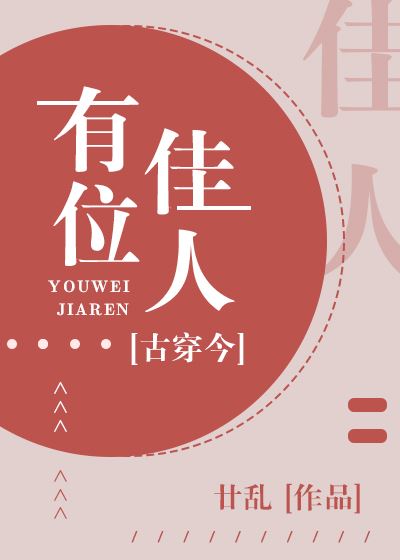
There’s a Beauty [Ancient Wear Modern]
+Add to Custom List
Sort
Add review
... Read More
The dialogue in these chapters is quietly devastating and I need to talk about it. First, let me address Shan Qiyun's line: "Where is Brother Huan? Why can I only hear the sound but not see the person?" This single question does SO much work. It reveals his suspicion, his insecurity, his knowledge that something is going on between Shen Yuhan and someone else — even if he does not yet know who. And then Shen Yuhan's reply, delivered while still standing in his doorway with the phone held up: "On the mobile phone, we are video calling." The casualness of it. The deliberate lack of explanation. Shan Qiyun is standing at his door and Shen Yuhan just casually mentions the video call like it is nothing. It is everything. Then Shan Qiyun's internal voice when he says, "You thought I didn't hear you?" — that snort of his. You can hear it. You can literally hear the contempt and the hurt at the same time. And Shen Yuhan's response: "Brother-in-law, if there is nothing else..." The polite deflection. The retreat. The way he uses formality as a weapon. But my absolute favorite exchange is the one between Shen Yuhan and Shan Qihuan about the gifts: "What should we do with these gifts?" "Throw it away." "It is a pity to throw it away, but it is all my money." "Then post on Xianyu to sell second-hand goods." Four lines. Four lines and you get the entire dynamic laid bare. Shan Qihuan does not care about the gifts. Shen Yuhan is attached to them because of what they cost — his money, his effort, his intention. And Shan Qihuan solves it with practical efficiency while accidentally delivering the final blow to Shan Qiyun's ego by having his gifts turned into second-hand inventory. The humor here is absolutely sharp. And Shan Qiyun overhearing ALL of this while standing outside? That is not dialogue — that is orchestration. The author uses proximity and silence as instruments here.
... Read More
I've been sitting with this chapter for a while because the plot here isn't doing what you expect it to do. On the surface, it's a domestic scene — one character wakes up sick, the other takes care of him. But the real narrative engine is what happens in the quiet spaces between actions. The structure is deceptively simple: Shen Yuhan's illness acts as a pressure cooker. When he's well, he can walk away, can be cold, can maintain distance. But trapped in bed, sweating through the night, forced to rely on Shan Qihuan — the power dynamic shifts. The author understands something crucial about conflict: the most revealing moments aren't the arguments, they're the caretaking. What struck me most is the ending. Shan Qihuan kisses his forehead and says "I'm leaving." Shen Yuhan pretends to sleep, but then walks to the balcony anyway. That's not a plot point — that's a character revelation. He tells himself he doesn't want to see him go, but his feet betray him. The author doesn't explain why; we just watch him stand there. That restraint is masterful. And the suicide mention — dropped almost casually after the pills scene — changes the entire emotional valence of everything that came before. This isn't just a stubborn sick day; this is someone who was already on the edge, and whose anger at Shan Qihuan is partly a way of feeling alive.
... Read More
Okay can we just talk about how domestic and absolutely adorable this scene is? Shan Qihuan shows up all panicked from the video call, heart racing, thinking something happened to Shen Yuhan—and then what does he do? He starts SHOVING SNACKS into his husband's mouth mid-game. Like bro you were worried sick and your love language is fruit and pastries. I swear to god the way he walks to the windy side so Shen Yuhan isn't cold, touches his face to check if he's okay, then immediately switches to feeding mode—it's so them. And the fact that Shen Yuhan is like 'I'm married now apparently' and casually drops that on Mr. Jiang without missing a beat while still trying to focus on his Go board? The contrast between the stiff formal setting and these two being goofy married people is everything. Also 'you still know how to respect the elderly, your grandfather was almost dying of anger with you before' — Shan Qihuan's internal monologue had me wheezing. He's loving but he REMEMBERS shit. This couple is so soft with each other and it's giving.
... Read More
Okay so Shen Yuhan opening up about the wonton stall... that was a moment. For someone who's clearly guarded, sharing a memory like that—about his grandmother, about losing something forever—takes actual trust. And watch how Shan Qihuan reacts: he doesn't dismiss it, doesn't make it weird. He just... stays with him. Then immediately pivots to offering to swap wonton flavors. That's not awkward. That's actually really sweet in its own clumsy way. But here's what gets me—the sleeping arrangement. Or rather, the lack thereof. Shen Yuhan is literally lying there wondering if his husband has some unspeakable hidden condition, while Shan Qihuan is right beside him thinking he's being Liuxia Hui. Two people in the same bed, completely separate universes of anxiety. And I love that neither of them is being malicious. They're just... trapped in their own heads, trying to figure out what the other wants. The physical proximity without emotional resolution is such a rich dynamic. Shen Yuhan reaches for him sometimes, pulls away other times. He wants closeness but doesn't know how to ask for what he actually needs. Meanwhile Shan Qihuan is holding back out of some kind of protective instinct or hesitation, and it's creating this whole unspoken tension that could either break them or make them inseparable. I need to know what happens next.
... Read More
So this chapter is structured in these little vignettes that at first seem like filler — the balloon scene, the car ride, the suit borrowing — but then they accumulate into something that actually recontextualizes the entire relationship. The pivotal moment is definitely when Shan Qixin discovers how Shen Yuhan receives his allowance. Up until that point the reader has been getting this image of Shen Yuhan as perhaps somewhat helpless or dependent, unable to operate basic car features, easily startled, asking his husband to do things for him. But the pocket money reveal adds a whole new layer because it suggests this is negotiated, accepted, maybe even slightly embarrassing for Shen Yuhan on some level. He does not hide it, but the fact that his brother-in-law had to observe it rather than be told directly suggests there is some awareness that it might be scrutinized. Then the Zuo Rong incident serves as comic relief but also as a test of the household's social boundaries — can outsiders navigate this space without getting destroyed? The answer is apparently no, because Zuo Rong is clearly sweating bullets the entire time. And the chapter ends on this note of domestic normalcy continuing despite the chaos, which is exactly the kind of plot movement this story seems to thrive on.
... Read More
"What does our main house's affairs have to do with you?" — I literally SCREAMED when I read this. Shen Yuhan does NOT play around. One minute he's this charming husband everyone admires, next minute he's dismantling the Second Madam's entire identity with a single question that basically says 'you're nobody here.' The author has given each character such distinct voices too. Shan Qixin's all sharp and dismissive ('Is that my brother? You need to go see an ophthalmologist.') while the Second Madam sounds like every gossiping auntie you've ever encountered in real life. And Shan Tianfeng's single slammed bowl saying more than a thousand words would. This isn't just good dialogue—it's CHARACTER.
... Read More
I need to talk about the phone scene because on the surface it's the most mundane thing ever—someone unboxing a new phone—and somehow it's loaded with enough tension to fill a thriller. Shen Yuhan opens the box, stares at the instructions in a language he doesn't understand, and says 'Husband, help me.' That request for help is the catalyst for everything that follows. Shan Qihuan agrees, sets up the phone with his own email, and the reader watches in real time as the trap gets set. 'With his own account and password, he can connect to the computer or IPAD at any time, and share Shen Yuhan's location.' This isn't a subplot reveal—this is the main plot masquerading as domestic fluff. And the stakes? They're catastrophic. Shen Yuhan thinks he's just learning to use a phone. He has no idea he's just been geotagged into permanent surveillance. The brilliant terrible writing is that neither character is wrong about what they think is happening in that moment. One thinks it's intimacy. The other thinks it's security. Both are operating with incomplete information, and that gap is where all the drama lives.
... Read More
Beneath the cozy domestic surface, this chapter is quietly wrestling with displacement — the condition of being someone who belongs everywhere and nowhere at once. The greenhouse is the central symbol and it does heavy lifting. It's a space where nature is controlled, where seasons are defied, where spring exists artificially in the middle of winter. Shen Yuhan stands in it and gasps at the technology, but her first thought isn't wonder for its own sake — it's grief for the people back home who couldn't have this. The greenhouse is everything Qi Kingdom lacked, and its existence is both a blessing and an indictment. It proves that survival was possible, which means the deaths back home were unnecessary. That's a burden no transmigrator should carry, but she carries it anyway. Then there's the jewelry — the earrings, the bracelet, the ring with the yellow diamond. These are objects from her old world or purchased there, worn in her new one. They mark her as different without announcing it loudly. When the narration says someone else might find the set tacky but Shen Yuhan gives it "another flavor," that's about identity too. She transforms the foreign into familiar the way she's transforming her entire existence. And the breakfast — grains and cereals replacing sandwiches and milk — is domestic alchemy. She's not just living in this world; she's rewriting its routines with pieces of her old one. The theme whispers rather than shouts: you can build a new life, but you carry your old one in your hands, in your memories, in the food you choose to eat.
... Read More
The stakes in this story just escalated from internal relationship doubts to full-blown external conspiracy, and I am not okay. On one level, Shen Yuhan is fighting with himself—his trust in his husband versus the rumors destroying his confidence. The internal conflict is painful because we understand why he's shaken. These aren't empty accusations; someone told him this, someone he knows, and now every memory he has of their relationship might be tainted. But then we discover this isn't random gossip at all. Shan Qiyun is orchestrating this from the shadows, and that changes everything. The conflict is no longer just about whether Shen Yuhan will believe the rumors—it's about whether he'll discover the truth before his marriage is destroyed. The stakes became so much higher the moment we realized there's a villain actively working against them. What makes this conflict so compelling is that both sides think they're justified. Shan Qiyun genuinely believes Shen Yuhan belongs with him, that their marriage is some kind of mistake. From his perspective, he's not being evil—he's being proactive about fixing what he sees as a wrong. That moral ambiguity makes him a much more interesting antagonist than a cartoonish villain. Meanwhile, Shan Qihuan is completely in the dark, and that dramatic irony creates unbearable tension. Every time the reader thinks about him coming home, wrapping his coat tight against the cold, thinking maybe he can leave early—my heart stops. We're screaming internally, 'Don't come back yet! Something is wrong!' The conflict here operates on multiple levels simultaneously: trust versus doubt, love versus entitlement, knowledge versus ignorance. And the author keeps all these threads taut without letting any of them sag.
... Read More
'I want to go home, I don't want you anymore.' These words carry so much weight because Shen Yuhan's home is literally gone — it was destroyed, and Qi Kingdom is no longer what it was. The kitchen becomes this twisted space where he considers ending his life but can't bring himself to do it there because of an old woman who feeds him well. There's this profound loneliness in that contradiction — he doesn't want to burden even the memory of kindness. The light switching on is such a powerful image too. He's in darkness contemplating death, and then SHINE — exposed, caught, saved. The moonlight he was using before could have been a moment of peaceful suicide, but the electric light interrupts it with harsh reality. And the knife — it's interesting that it's a cooking tool, something meant for sustenance and care, turned into an instrument of destruction. The contrast between what the kitchen represents (nurturance, Auntie Wang's special care for his taste, warmth) and what Shen Yuhan was using it for (isolation, self-harm) is devastating. The final image of him being carried upstairs while clinging to Shan Qihuan's neck — maybe that's the beginning of finding a new kind of home.
... Read More
This wedding sequence is absolute masterclass tension-building. Let me break down why it works so well. First, you have this ticking clock structure — guests are arriving, the wedding has to happen, and Shen Yuhan is missing. The Third Madam's panic creates immediate stakes: if this falls apart, it's not just a personal embarrassment, it's a family scandal. The line 'how will the Old Master think of me' tells us everything about how high the stakes are. Then there's the beautiful dramatic irony layered on top. We know Shen Yuhan was 'dying for Shan Qiyun' last week. Everyone else at this wedding thinks the same thing. But here he is, clinging to Shan Qihuan's arm like a lifeline, completely unfazed when Shan Qiyun walks by. The reader is sitting there going — what is happening?? The narrative pacing is surgical. The author doesn't rush this. We get the panic, the relief, the wedding preparations, the greeting of guests, and THEN the confrontation with Shan Qiyun. Each beat earns its place. And that opening detail about the pig cage punishment? That's not just random world-building — it's the thematic foundation that makes everything else darker. This is a world where women's 'ethics' are enforced with drowning baskets. Knowing that context makes Shen Yuhan's strange compliance at the wedding feel even more loaded. My only question is whether this calm is genuine转变 or another mask. The author planted the doubt perfectly through Shan Qihuan's own confusion — 'What is Shen Yuhan planning?'
... Read More
Okay I need to talk about this ONE scene where Shan Qihuan wants to reach out and touch Shen Yuhan's face but instead rationally closes the car door for him. Rational. He just calmly shuts the door instead of doing what literally everyone else would do in that situation. And then the narration just casually drops "he was actually mesmerized by Shen Yuhan's smile" like it's no big deal. NO BIG DEAL? This man is fighting his own feelings and the restraint is killing me. The way Shen Yuhan keeps saying "thank you Husband" like it's still slightly foreign on his tongue but he's getting used to it? The text says it takes others twenty-eight days to form a habit but he adapted in two days. Two days. That's not nothing. And then there's the grandmother scene where she practically tries to set him up with her granddaughter and Shen Yuhan just deadpans "I have someone" and the conversation stops dead. I love that he doesn't even elaborate. He just says it and moves on. The emotional economy here is so efficient—every gesture carries weight. Shan Qihuan buying him a phone, giving him a bag, driving him everywhere, coming home smelling of alcohol but still noticing Shen Yuhan is smiling. These are love languages, folks. What gets me is that Shen Yuhan seems genuinely starved for basic decency. The narrator calls him careless and forgetful and says "it's no wonder he's so disliked"—and I just want to shake whoever "disliked" him because clearly nobody was paying attention to what he actually needed. The assistant Qu speculating about hidden agendas when Shan Qihuan shows kindness is honestly painful to read. Like... can you imagine living in a world where you assume good deeds have price tags? The romance here isn't fireworks, it's someone learning how to hold a phone because nobody taught them before. I re-read the part where Shan Qihuan comes home drunk and Shen Yuhan naturally takes his briefcase without being asked. That's not a gesture, that's a relationship.

Leave a comment

You must be logged in to leave comments. or
