There’s a Beauty [Ancient Wear Modern] - Reviews

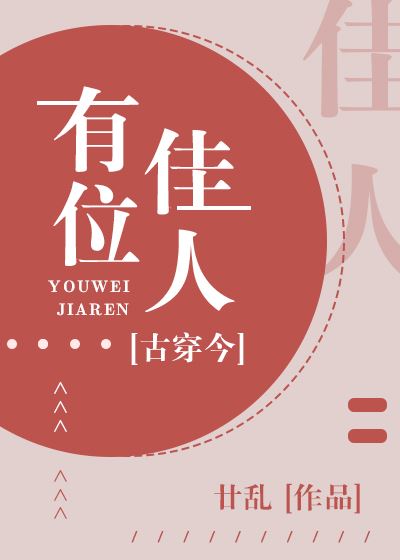
There’s a Beauty [Ancient Wear Modern]
+Add to Custom List
Sort
Add review
... Read More
The visual contrast in this section is absolutely gorgeous and I think the author really knows how to paint with spaces. Start with the morning routine: bread and milk, hair done, makeup applied, turned into a "clay doll" at the mercy of hands that aren't theirs. There's something so profoundly disorienting about being groomed for a ceremony you didn't choose in a language you might not fully understand, surrounded by people whose faces you've only seen for forty-eight hours. The bread-and-milk detail is such a small thing but it grounds everything—normal breakfast routine wrenched into something alien. Then the wedding venue itself. Upper floor lounge overlooking a lower banquet hall. Windows. Waiters in uniform. It's a vertical world, which feels intentional—you're physically elevated above the spectacle but still trapped in it. And then the corridor scene: long, winding, carpeted (so no heavy footsteps when running—that's a detail that matters for tension!), narrow passages, a small door that locks into isolation. The architecture itself becomes a character. This building is designed to control movement, to separate, to hide things. And the suits. Both Shen Yuhan and Shan Qihuan wearing the same suit. Two men in identical dark fabric, one half a head taller, both looking at each other across a collision in a carpeted hallway while the wedding continues below. It's a scene that plays out like a film sequence. I kept seeing it in slow motion.
... Read More
The pacing in these chapters is doing some serious heavy lifting. We start with Andy delivering rumors, which hits Shen Yuhan like a thunderbolt, then we transition to Auntie Wang trying to comfort him but making things worse by accidentally reinforcing the rumor's existence, then we cut to the reveal of who's behind it all. It's a triple blow delivered in quick succession, and the reader can't catch their breath before the next hit lands. What I love is how the author controls information. We don't know Shan Qiyun is the mastermind until the middle of this section. For a good chunk of the chapter, we're following Andy as an unwilling pawn, thinking this is just some random gossip spreading through the community. Then BAM—the coffee shop scene reveals it's all orchestrated. That shift recontextualizes everything that came before. The transition back to Shan Qihuan at the end is brilliant pacing too. After all that tension, we get this quiet moment of him wrapping his coat, probably thinking about going home early. It's a brief pause that actually increases the anxiety because we know what's happening while he doesn't. The author is playing with dramatic irony like a concert pianist. Chapter structure-wise, this is tight. No filler scenes, no unnecessary exposition. Every paragraph either advances the plot, develops character, or builds atmosphere. The ending feels like a cliffhanger even though it's not a traditional one—it's the emotional cliffhanger of knowing catastrophe is coming and being powerless to stop it.
... Read More
Let's talk about the structural genius of how this chapter handles the wedding night. Most novels would give us the full romantic consummation scene and move on. This one? It deliberately skips it. We only get aftermath — Shan Qihuan drinking water, being quiet, falling asleep without even showering, and then Shen Yuhan watching him sleep. The actual events are entirely absent, and honestly? I think that's what makes it work so well. The narrative focuses on what happens AFTER instead of during, which shifts the entire genre expectation. This isn't a romance novel tick-box exercise; it's a story about two people learning to exist in the same space. The pacing here is deliberate — slow, almost meditative. Shen Yuhan lies beside him, hesitates about waking him, remembers his mother's advice about not disliking someone for drinking, and just watches. Then: sleep. Then: waking up alone with the sky already bright. The transition from night to morning happens in a single paragraph break. It's efficient storytelling that trusts the reader to fill in the emotional gaps. And then — bam — next scene, Huang Shang is waiting with a conflict ready to explode. The author uses the quiet domestic intimacy as a pressure valve before releasing the tension again. It's a breathing room disguised as filler, and that's masterful plot architecture. The chapter ends with Shen Yuhan already dealing with his grandfather's legacy problems (bankrupt family, no backup anymore) and now this new bullying confrontation. Every quiet moment is immediately followed by a storm. That contrast is the entire rhythm of the story so far.
... Read More
Let me just say: the author understands that silence is louder than action. The chapter opens with TWO DAYS of absolute stasis. Shen Yuhan is locked in a room. Bodyguards on rotating shifts. He steps outside? Sent back and locked up. Nothing happens. And yet—nothing happening is where the tension lives. Every paragraph about the surveillance, the unfamiliar world, the generational gap, the "tip of the iceberg" he's only beginning to digest—this is the author building a pressure cooker and refusing to put a lid on it. Then BOOM. Wedding day. Everything moves at full speed. Hair done, clothes changed, stuffed into a car, dragged through corridors, chased down hallways, colliding into the fiancé. The pacing goes from glacial to sprint in a single paragraph break. And that's exactly when Shen Yuhan makes his choice—to run back. The running sequence is where the pacing earns its keep. No internal monologue during the chase, just physical action and one crucial dialogue beat. The collision with Shan Qihuan feels like the story catching its breath after holding it for a chapter. And then—immediate resolution. The escape guy is dealt with in three lines. No drawn-out interrogation. Just: pinned, questioned, dragged away. Back to business. The chapter ends on what feels like a cliffhanger, but it's a quiet one. Not a death threat, not a revelation, just a man walking toward an elevator without looking back. The tension doesn't release—it compresses. Which means I had to immediately open the next chapter.
... Read More
Okay so let me just say—Shen Yuhan is a FREAKING genius at boundaries. Like, the way he holds onto Shan Qihuan's hand right in front of Shan Qiyun? Chef's kiss. Every time Shan Qiyun tries to get a private moment, Shen Yuhan looks at his husband like 'can you believe this guy?' and the husband—bless him—plays along perfectly, letting go only to be grabbed back immediately. The scene where Shen Yuhan says 'If you talk here, my Husband can see me' while standing downwind on purpose? That's not just caution, that's performative devotion and he KNOWS it. And the gift-returning bit? BRUTAL. 'Then you can give it back to me.' Like, bro, you spent all your savings on this? Here's your money back, goodbye. Shan Qiyun just goes from confident pursuer to absolutely destroyed in under five minutes. Meanwhile Shan Qihuan is watching ALL of this, smiling with his eyes, completely aware that his husband is playing a role—and honestly? I think part of him finds it amusing. He calls Shen Yuhan 'sticky' under his breath but lets it happen. Their dynamic is... complicated in the best way. Shen Yuhan is clearly a transmigrator or someone who knows the 'original' Shen Yuhan was obsessed with Shan Qiyun, and he's working overtime to prove he's not that person anymore. But is he? Or is the performance so good he's convinced himself?
... Read More
"Her body's lower half — a giant snake tail appeared, faintly discernible." The word "faintly discernible" keeps coming back to me. This entire chapter is about things that are partially visible, half-remembered, almost hidden. Shen Yuhan is a snake spirit trying to live as a human. His past memories are foggy, like something seen through rain on glass. The golden tiger cat from Qi Kingdom appears in his recollection but is fading from his conscious mind. Even his painting — a recreation of memories that are already slipping — is an act of preservation against forgetting. And the seal! In Chinese tradition, a painter's seal is their mark of authorship, their spiritual signature. Losing it means he's untethered, unable to claim ownership of his own creation. So he substitutes his pen name instead, which is its own kind of statement — he's choosing a new identity rather than relying on the old one. Shan Qihuan's refusal to acknowledge Shen Yuhan's flirtation, his retreat to the study, his secret movie-watching — all of this is about things remaining partially visible. He wants to see, but he won't admit it. The rainstorm outside mirrors the internal turbulence. And that movie they were watching, The Legend of the White Snake Transformation — a snake spirit falling in love with a human — is basically their story mirrored back at them. The author is weaving these symbols so carefully that I had to re-read three times to catch it all.
... Read More
I need to talk about how this author uses dialogue the way a sniper uses a scope—every word is deliberate, almost nothing is wasted, and the impact comes from what's NOT said. Take the opening exchange: "Um, then I'll get up earlier tomorrow, do you need me to wake you up?" "I have an alarm clock." "But this morning the alarm clock kept ringing and you didn't get up." "I can get up." That's it. That's the whole conversation. And yet it tells us SO MUCH. Shen Yuhan is playful, gently teasing, clearly happy about going out tomorrow. Shan Qihuan's responses are terse—short, almost clipped—but not unkind. The subtext is thick: Shen Yuhan is exposing his laziness from that morning, and Shan Qihuan's three-character reply is pure damage control. The power dynamic here is everything—Shen Yuhan holds all the cards because he's the one enjoying himself, while Shan Qihuan is already on the back foot. Then there's the midnight moment. "Husband, do you want to rest?" In context, this sounds innocent. But coming from someone in pajamas, at 10:30 PM, standing at their husband's study door... it's devastatingly effective. It's the kind of line that doesn't need stage directions because the delivery is already in the words themselves. And the narrative voice—I love how the author consistently filters everything through Shan Qihuan's internal commentary. He calls Shen Yuhan a "flirtatious little vixen" and a moment later he's regretting sharing a bed. The gap between his internal voice (chaotic, flustered, deeply in love) and his external dialogue (brief, controlled, almost gruff) is where all the humor lives. That's not easy writing. That's craft.
... Read More
I need to talk about Shan Qihuan because this chapter peeled back something real about him. On the surface he's the cool, collected protector type — he handles reporters effortlessly, suggests restaurants, presses the bell to summon the violinist. But the moment Shen Yuhan mentions missing his parents, Shan Qihuan's response isn't warmth. It's irritation. "What are you thinking about? Eat first." That's not caring, that's discomfort. And then he catches himself. The jealousy thread is fascinating because it's clearly unfounded yet totally human. Shan Qihuan sees Shen Yuhan looking at a pretty young violinist and his brain immediately goes to Shan Qiyun. Not Shen Yuhan's past necessarily, but specifically Shan Qiyun. That detail matters — it suggests Shan Qihuan carries his own relational baggage into this new dynamic, projecting old wounds onto fresh terrain. The author writes this without judgment, which is why it lands so well. But then the reversal — when Shen Yuhan whispers "I miss my father a little, my father and my mother" — Shan Qihuan's entire posture shifts. The text says "that bit of displeasure also disappeared" and honestly that phrase "also" is doing a lot of work. It implies this isn't the first time Shen Yuhan's vulnerability has disarmed him. Their relationship has a pattern: threat appears, Shan Qihuan hardens, reality clarifies, Shan Qihuan softens. It's almost tender in how predictable it's become. Shen Yuhan's secret steak practice in the bathroom! That detail absolutely destroyed me. He asked Siri how to eat steak, practiced in the bathroom, didn't want his husband to notice his ignorance. That's not insecurity — that's devotion disguised as preparation. He's trying so hard to meet Shan Qihuan's world on its own terms. And the image of him cutting meat with a fork and knife, pretending he knows what he's doing, is equal parts heartbreaking and adorable. The relationship between them feels like two people who keep choosing each other in small moments. Not grand declarations but quiet decisions — hiding from reporters, choosing a quieter restaurant, noticing someone's sadness even when you're annoyed. That's the real romance here, and it's executed with such restraint.
... Read More
I have to talk about how the dialogue in this section is doing SO MUCH WORK with very little text. The mother-son conversation between Marquis of Zhongyong's Madam and Shen Yuhan is basically two people having the most important conversation of their lives and they're saying things like "Good child, my good child" and "I understand, remember Mother's teachings." On paper that sounds almost平淡. But read it with the context — she's sending her beloved son to marry a cruel old ruler in a foreign kingdom, possibly forever — and every simple line is layered with unspoken devastation. The narrator's voice is also doing some really interesting things. Take this line: "The old emperor was dim-sighted, and the power in his hands had long fallen into the hands of the empress dowager, this Qi Kingdom no longer had the surname Qi." That's not dialogue, that's narrative exposition, but it's delivered with such sharp, almost bitter clarity. The author could have spent three paragraphs explaining the political situation, but instead we get one devastating sentence that tells us everything we need to know: the country is essentially conquered by its own nobility from within. And then there's the aside about the suitors: "the men who asked for his hand in marriage ranged from princes and marquises of Gongsun, to the rich merchants with great wealth, the queues could line up from the East City to the West City." This is such a casual, almost conversational way to dump backstory while also making the reader feel the scale of what's being lost. All these eligible bachelors rejected, all this social capital wasted, because a declining kingdom decided its most valuable asset was a pretty face to trade for peace. The servant girl's panicked "Master, the fight is about to start, you must not come out!" is perfectly in character — terrified, urgent, not thinking straight. And Shen Yuhan's calm "Mo Zhu, what's going on?" contrasts beautifully. He's frightened but still maintaining composure. These small dialogue choices tell us everything about who these people are.
... Read More
"I can always see the fiery life of the American people on the news network. He clutched his chest with lingering fear." I need everyone to understand that this one sentence made me absolutely lose it. Shen Yuhan, who is described as delicate, who has thin skin, who would cry if he bumped his head — is literally clutching his own CHEST in fear because his husband might have been in danger in the US. And what does he ask next? NOT "are you safe" but "what are you eating over there?" Because his love language is literally feeding the person he cares about. I swear to you this is the most real relationship dynamic I've read in ages. He worries about gun violence, he worries about his husband's health, and then he immediately plans to have Auntie Wang make old duck soup when they get home. The transition from heart-pounding fear to domestic planning is so Shen Yuhan and I am HERE FOR IT. And then the other thread — Shan Qiyun, holding flowers, genuinely believing he had a chance. The passage about him saying "He used to like me with all his heart" hits differently when you read it alongside Shan Qihuan's response. Shan Qihuan doesn't even get angry. He just says "Who hasn't been blind at times" and pats off his coat like he's brushing away dust. That indifference is MORE painful than any insult could be. Shen Yuhan used to like Shan Qiyun. And now he tells Shan Qihuan everything about it voluntarily. The emotional trajectory from then to now is just devastating in the best way.
... Read More
'Oh.' Shen Yuhan replied neither salty nor light. That annotation — 不鹹不淡 — it's doing so much work. The author could have just written 'he replied flatly' or 'he didn't know what to say.' But instead, they give us a Chinese idiom and trust the reader to feel its meaning: neutral, measured, carrying just enough weight to show the distance between them. Shen Yuhan's dialogue is almost entirely monosyllabic in this chapter. 'Oh.' 'No.' 'A business trip?' Each word is a door closing. But the subtext is roaring: don't leave, please don't leave, I'm not ready for this, why are you being so normal about everything. Shan Qihuan's voice is different — more practical, more action-oriented. 'Go and wash, I'll get you some clothes.' 'Let Auntie make something nice after you recover.' He speaks in solutions because that's how he loves. He can't fix the anger, so he fixes the congee, fixes the medicine, fixes the blanket situation. The dialogue about the trip is fascinating because it's almost clinical: United States, France, a week, nine o'clock flight. But it's delivered right after the most vulnerable moment — the pill-swallowing scene, the suicide mention. The contrast between the emotional depth and the mundane logistics is what makes the writing breathe. And then the final line, left unfinished: 'In Qi Kingdom, when his brothers went on a long trip, no matter how...' The cutoff itself is the punctuation. It's what Shen Yuhan was thinking as he watched him leave. Incomplete. Hanging. Like the relationship.
... Read More
There is this one line that I keep coming back to. It appears almost as an afterthought but it sets the entire mood for what follows: "Before Shen Yuhan could figure out how to use the Xianyu software, the temperature had dropped a few degrees, it was already the transition from late autumn to winter, and there were not many sycamore leaves left on both sides of the street." Just... wow. The author does not even try that hard and yet it paints such a vivid picture. Late autumn bleeding into winter, the last few leaves clinging to sycamore trees, the chill in the air. It mirrors exactly what is happening emotionally — everything is cooling down, the warmth of the season is fading, and Shen Yuhan is standing in the doorway of his own life watching someone leave. The imagery of few leaves remaining is not accidental. You can feel the loneliness in that sentence. Then we cut to these daily video calls at nine o'clock, Shen Yuhan looking at dust on household objects while Shan Qihuan never appears on camera. The domestic details are so specific — the boxes of gifts in light blue, the designer Andy who comes to the door, the winter clothes bought from head to toe. These small things make the world feel incredibly lived-in. This is not a generic backdrop; this is someone's actual home, with actual dust on actual furniture, with actual clothes that smell like someone else's choices. And the video call framing itself is such a modern, relatable detail. You can picture it — Shen Yuhan holding his phone up, half-hiding his face, Shan Qihuan on the other end going about his day without ever revealing himself. It creates this invisible wall between them that feels both painful and beautiful at the same time.

Leave a comment

You must be logged in to leave comments. or
