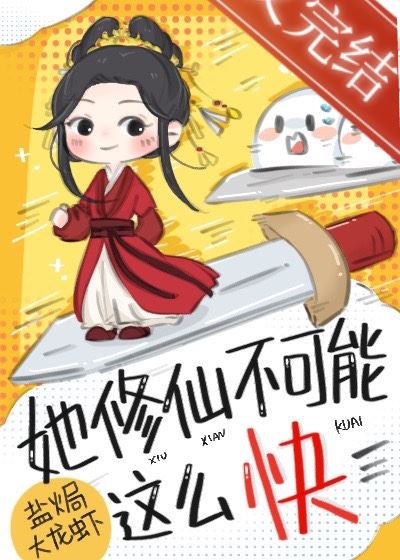
There's something really special about how this novel builds its world through intimate, lived-in details rather than massive exposition dumps. Take the scene where Lin Shuang washes her face: "When she raised her head, her skin was as smooth as an egg, with a jade-like luster. Her phoenix eyes sparkled like stars, radiating a hidden brilliance." That single description does triple duty — it tells us about her physical beauty, her otherworldly cultivation aura, AND it creates this luminous, almost cinematic image that sticks in your mind. Then there's the wood-house setting behind the Clearwater Sect, the indigo blue embroidered waistband showing cultivation layers through water ripple symbols, the warming spell preserving face-washing water, the paper talisman called Xiao Ai that displays countdown timers. These aren't generic cultivation novel tropes — they feel like they belong to a specific, coherent world with its own rules and logic. The spiritual snow at Ling Mountain is a small detail but it does enormous work: it establishes climate, shows us that third-layer cultivators are genuinely fragile, and creates this intimate domestic atmosphere where the junior sister has to worry about keeping her senior sister warm. Even the transmission hall conversations about the Haohui Jue's difficulty feel organic — we're getting worldbuilding through gossip and rumor rather than infodumps. The world feels occupied, not constructed. You can sense the economics (spiritual stones as currency), the bureaucracy (elite disciple selection, transmission masters giving guidance), and the social hierarchy (waistbands as status markers). All of it accumulates into a setting that feels breathable and real.