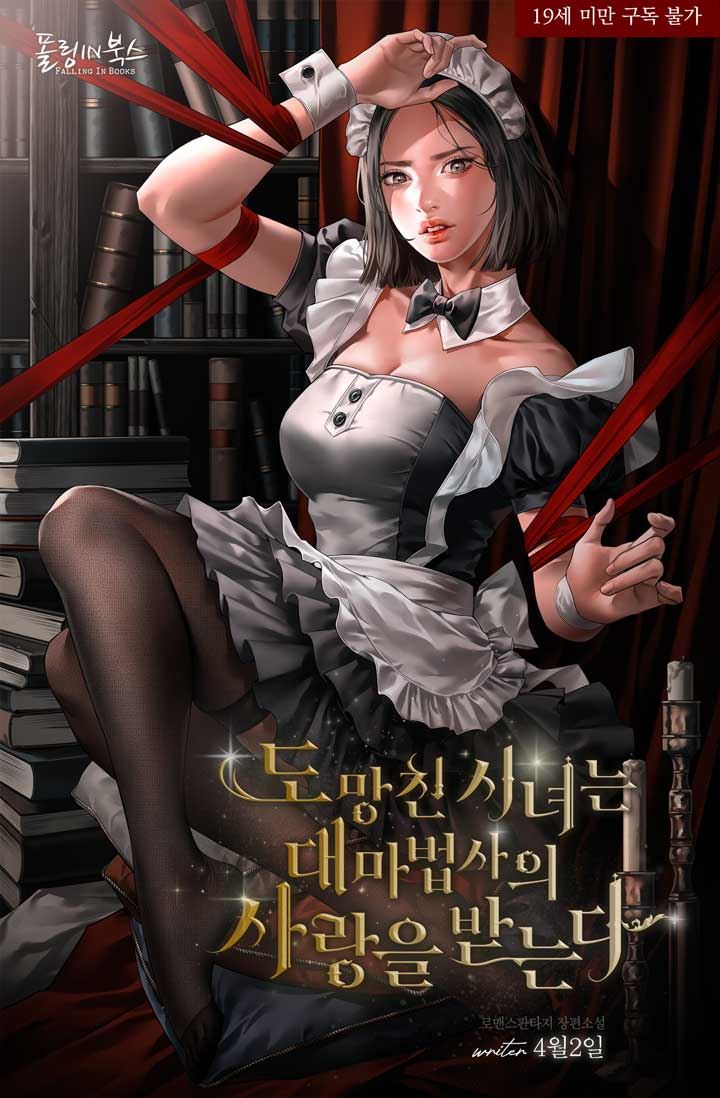
Let's talk about this room because the author clearly put a lot of thought into making it feel like its own character.
Roina can't leave the Crown Prince's bedroom or the adjoining rooms. It's described as 'a familiar yet oppressive prison of luxury'—and every detail reinforces that contradiction. The antique bed, the ornate candelabra, the sacred icons, the tea table, the intricately patterned carpet from the distant northern lands, the grand fresco of the golden dragon on the ceiling.
All of these objects scream wealth and power, but they're arranged in a space that functions as a GILDED CAGE. The fact that the column with the magical resonance is hidden behind curtains in a corner, partially obscured by other objects, is such a perfect detail. It suggests that even in this room designed to display the Crown Prince's dominance, there are secrets buried underneath.
The golden dragon on the ceiling is doing a lot of heavy lifting here. Dragons are symbols of power, of ancient magic, of things that sleep until provoked. And it's positioned DIRECTLY ABOVE the bed—above where Roina has presumably been forced to stay. That's not accidental imagery. The dragon is watching. The dragon is waiting. And Roina eventually follows its gaze down to the founding Emperor below, to the hidden column, to the magic that was always there.
I also love the sensory details throughout this passage. The sound of the door locking. The humming of the column. The illusion of a breeze. The coldness spreading through her body when she touches the magic. The author builds atmosphere through physical sensation rather than just visual description, which makes the world feel alive and layered.
The garden scene with the golden-eyed mage is a nice contrast—secluded, dark, quiet, with magic crackling around him. It feels like a completely different realm from the suffocating luxury of the palace interior. Two worlds, two different kinds of captivity, and they're about to collide.