This passage hits me right in the chest. The emotional layers here are so rich—I keep coming back to certain moments that just wreck me in the best way.
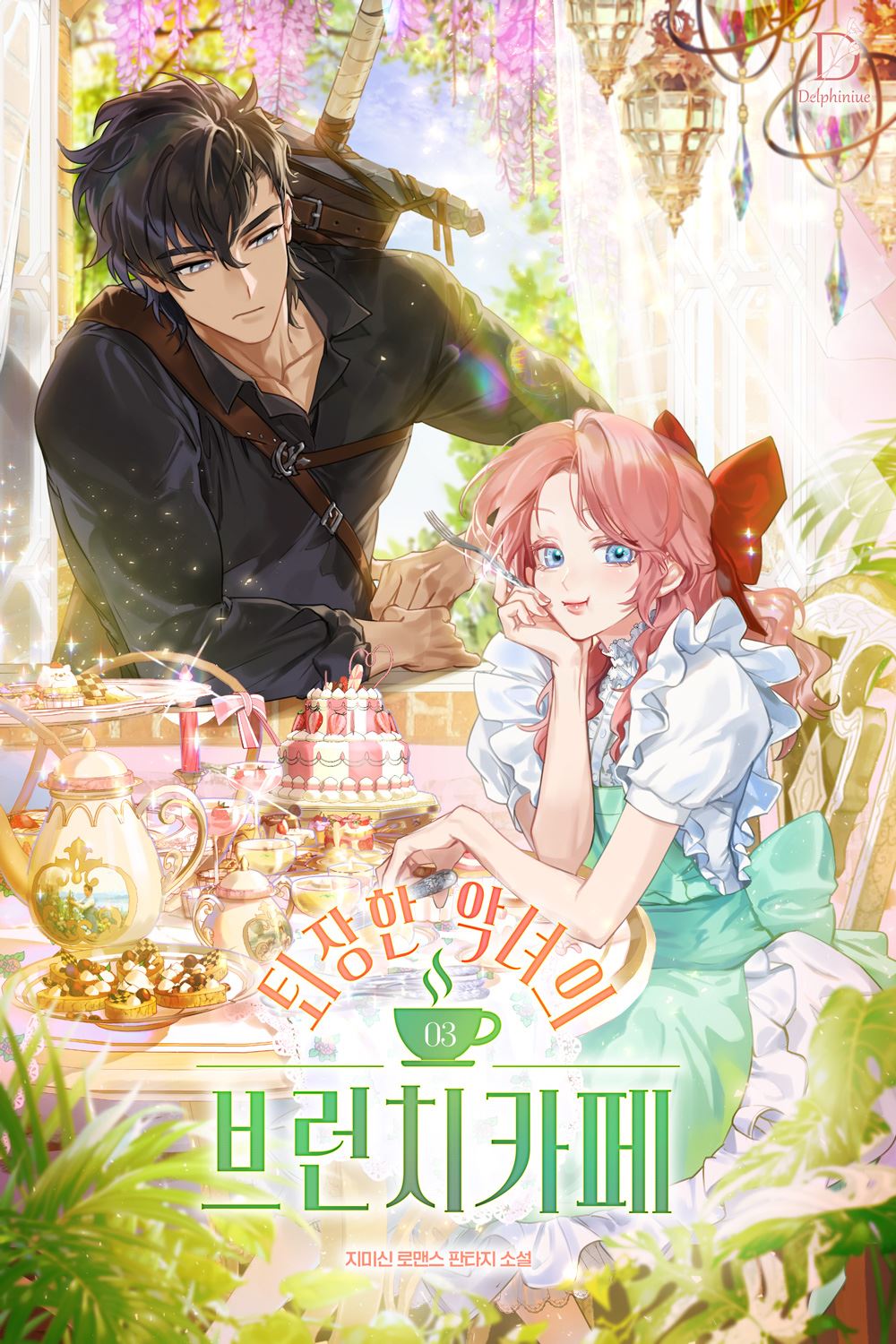
Let's talk about Karl Drian first because oh my god. The way he appears beside the protagonist while she's absorbed in work, and she only notices him when she scratches her head with an awkward smile—that is such a tender, awkward, real moment. And his little reproach, “Are you aware that you are my fiancé? It seems you prefer work over me!” is equal parts playful and genuinely needy. The protagonist's internal reaction—“Nothing had been funnier than that reproach”—tells us so much about their dynamic. She finds his jealousy endearing, and he knows it. That mutual understanding, that comfortable intimacy, is everything.
Then there's the Crown Prince Adolf's emotional journey, and this one aches. The way he presses his fingers against the corners of his eyes, trying to compose himself after Viviana's bombshell. The image of him covering his dry eyes with his palm is so visceral—I can feel that exhaustion in my own body. And his internal conflict about whether breaking off the engagement was right, while simultaneously knowing Viviana was “venomous,” creates this delicious tension between duty and desire.
But the moment that absolutely destroyed me was Georgiana's education officer refusing to curse aloud while delivering news about Georgiana's headaches. The suppressed urge, the swallowed words, the quiet sympathy—it's all there in that single description. And then the Crown Prince's frustration blooming: “My head feels like it's splitting.” These two people, both suffering from the same political machinery, connected through shared exasperation.
The friendship between the protagonist and Madeline has such warmth. Madeline's tease about terrible coffee versus delicious gelato isn't just comic relief—it's genuine affection masking concern. And the protagonist's defensive “My coffee tastes good to me!” followed by Madeline's brutal “Ah, so you were born with a poor palate?” shows a relationship where you can be completely honest without fear.
Cassie! Sweet, old-fashioned Cassie offering a blessing as payment for chocolate skewers. The way she pouts at being called old-fashioned but smooths her brow with each bite—that childlike simplicity against the backdrop of all this political maneuvering is heartbreaking. The protagonist's thought, “Cassie really is a proper Sister after all,” reveals how much she treasures these genuine connections in a world full of artifice.
The romantic tension between our protagonist and Karl Drian simmers throughout. She's left the capital, living “with a proper balance between what I wanted to do and what I needed to do,” but there's this undercurrent of “But what to do about this man” that lingers. And Karl's composed head-tilt when she's flustered suggests he knows exactly the effect he has on her.
What moves me most is how the emotional arcs intersect without colliding. The Crown Prince's loneliness, the protagonist's contentment in simple work, Karl's patient courtship—all these feelings coexist, creating a tapestry of human connection that feels deeply earned.