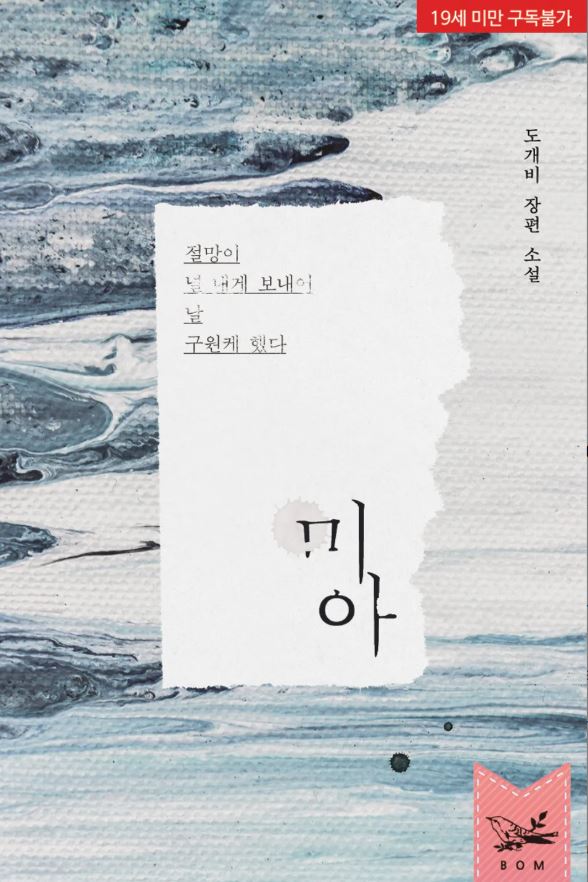
What gets me is how quiet he is. After three years of washing dishes and peeling onions, after learning to read so he wouldn't be an easy mark, he still doesn't offer his name to the detective. "What's the point of knowing my name?" he thinks, and that's the whole damn thesis right there. The dialogue in this book isn't for show—it's armor. Every line is a negotiation, a deflection, a threat wrapped in polite silence. Look at the exchange with the second guy: "You think the boss will trust you just because you take me out like this?" Pathetic, he's hiding. And the response? Not a speech. Just a blade through the throat. That's the voice: clipped, physical, relentless. Even Poet's screams are economy—"Give it back! You bastards! That's mine!"—and then later, broken, "Why are you here again?" The narration itself is equally lean. Sentences stand alone like bricks. "The breath against my palm faded, then stopped." No flourish, just fact. And yet it breaks your heart. The few times humor slips in—like the loan shark having to laugh while being treated like trash—isn't warmth; it's survival instinct. This protagonist doesn't monologue. He observes, he calculates, he kills. And the author never lets us forget that every word he does say is chosen like a knife stroke. Clean. Precise. Final. I keep coming back to that line: "If I tell you, will you clear my debt?" It's not greed. It's bargaining with a system that only understands leverage. Every conversation in this book is a transaction. That's why it feels so real.