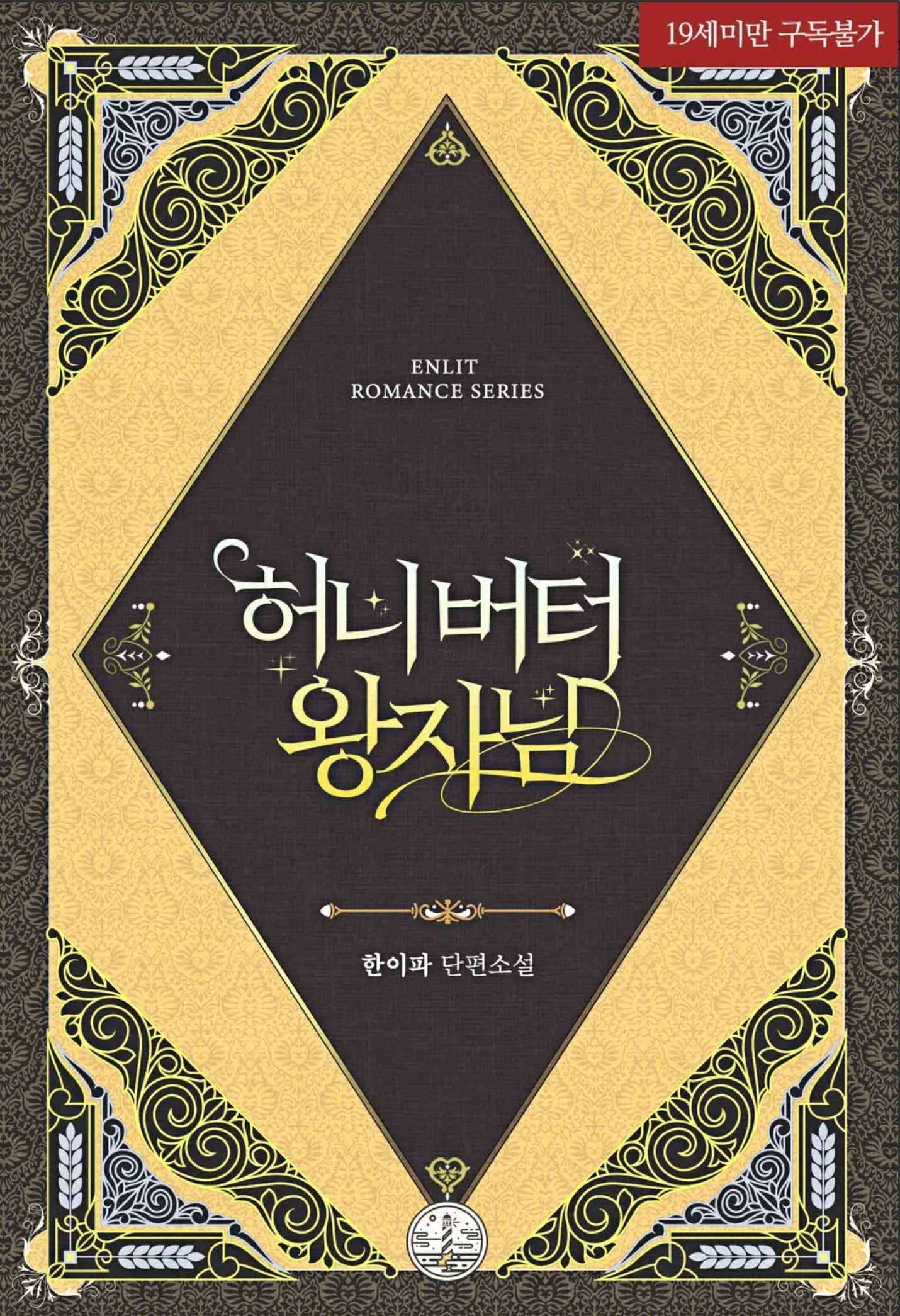
Shasha, a woman who possessed knowledge of a fantasy novel from her previous life, reincarnated as the daughter of a viscount. Expecting a comfortable existence or a significant role in the story, she instead found herself reduced to the status of a lowly maid in the household of the Oz ducal family. The original narrative revolved around the ducal daughter, a genius swordswoman and the central protagonist, while her brother, Edgar Friedrich van Oz, was depicted merely as a background character with negligible importance. Upon entering this world, Shasha discovered that reality offered no mercy; she was subjected to grueling physical labor that far exceeded the hardships of her past life as a modern wage earner. Her initial hopes of utilizing her foreknowledge to alter fate or secure a privileged position were shattered by the brutal demands of her daily routine.
Edgar, the eldest son of the duke, appeared outwardly perfect due to his lineage but was internally flawed and unremarkable. He lacked the intelligence, talent, or charisma of his sister and lived a life of slovenly comfort, seemingly content to exist without ambition or purpose. To Shasha, he was an exhausting burden, a master who left his belongings scattered and required constant, thankless attention. However, beneath his careless exterior lay a deep, obsessive fixation on Shasha. For years, he had watched her from afar, harboring unrequited desires that grew increasingly intense. While Shasha viewed him as a pathetic figure, Edgar viewed their interactions through a lens of longing, misinterpreting her professional courtesy as kindness and her patience as availability.
The dynamic between them shifted irrevocably during a pivotal incident. After Shasha inadvertently witnessed Edgar in a state of sexual arousal, he lost control of his inhibitions. Driven by alcohol and pent-up emotion, he broke into her quarters and confessed his feelings, leading to a non-consensual sexual encounter. Despite the coercion and the power imbalance inherent in their master-servant relationship, Shasha found herself physically responsive to Edgar’s overwhelming passion. This event dismantled the barrier between them, transforming their relationship from one of distant servitude to a clandestine sexual liaison.
In the days following the incident, both characters struggled to reconcile their actions with their social standing. Shasha wrestled with guilt and fear, acutely aware that her involvement with the young master of a noble house could lead to her dismissal or worse. Edgar, however, showed no remorse for his actions; instead, he became more determined to keep Shasha close. He began to assert his dominance in subtle ways, demanding her presence and using gifts, such as high-grade potions, to bind her to him. Their interactions grew increasingly intimate, moving from secret trysts to public displays of affection that tested the boundaries of propriety.
As their relationship progressed, Edgar’s behavior became more possessive and demanding. He insisted on personal care routines, such as bathing together, using these moments to further entrench himself in Shasha’s life. Shasha, despite her internal conflict and awareness of the dangers posed by the rigid class structure of this society, found herself unable to reject him completely. The emotional manipulation and physical intimacy created a complex web of dependency. Edgar viewed their connection as inevitable, believing that his affection warranted Shasha’s submission, while Shasha recognized the selfishness of his desires yet remained trapped by her own emotions and the lack of viable alternatives.
The narrative explores the stark contrast between the romanticized expectations of transmigration and the grim reality of servitude. Shasha’s journey is not one of empowerment or political intrigue, but of survival within a restrictive social hierarchy. Her attempts to maintain her dignity and professional boundaries are constantly undermined by Edgar’s relentless pursuit. The story highlights the power dynamics at play, where the young master’s status grants him the ability to exploit his servant, yet his genuine, albeit twisted, affection complicates Shasha’s ability to simply despise him.
Ultimately, the story tracks the erosion of Shasha’s independence as she becomes increasingly entangled with Edgar. The original plot of the novel, centered on the female protagonist’s romantic and heroic adventures, fades into the background as Shasha’s personal drama takes center stage. Her relationship with Edgar becomes a source of both comfort and torment, illustrating the complexities of desire and power in a feudal setting. The narrative concludes with Shasha acknowledging the gravity of her situation, yet unable to sever the tie that binds her to the man who has claimed her, leaving her future uncertain within the confines of the ducal household.
| Date | Group | Release |
|---|---|---|
| 2026-10-03 | dusk blossoms | c72 |
| 2026-10-03 | dusk blossoms | c71 |
| 2026-10-03 | dusk blossoms | c70 |
| 2026-10-03 | dusk blossoms | c69 |
| 2026-10-03 | dusk blossoms | c68 |
| 2026-10-03 | dusk blossoms | c67 |
| 2026-10-03 | dusk blossoms | c66 |
| 2026-10-03 | dusk blossoms | c65 |
| 2026-10-03 | dusk blossoms | c64 |
| 2026-10-03 | dusk blossoms | c63 |
| 2026-10-03 | dusk blossoms | c62 |
| 2026-10-03 | dusk blossoms | c61 |