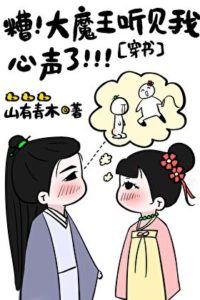
Le Gui's internal voice is the single best thing about this novel. Let me explain why.
The external dialogue is functional—these characters say what they need to say, and it's natural enough. But the internal monologue? That's where the personality explodes. Right from the opening, we get lines like:
["AHHHHHHHH! I JUST SAW A DEAD BODY! AHHHHH! THIS IS A DEAD BODY! THERE'S A DEAD PERSON RIGHT NEXT TO ME! AHHHHHHH!!!"]
And then immediately after:
["A CORPSE! A REAL DEAD BODY! A DEAD BODY THAT COULDN'T BE ANY DEADER!!!"]
The repetition, the escalating panic, the self-interruption—it's hilarious and terrifying at the same time. This is a woman who is simultaneously having a full existential crisis and also trying to comfort herself with logic: ["Protagonists have plot armor. You're not going to die that easily."]. She's lying to herself, and we know it, and she knows it, but she needs to believe it.
The voice shifts perfectly depending on the situation. When she's with the senior sisters, her internal monologue is pragmatic and calculating—planning her escape, assessing threats, remembering plot details. But when she's alone with her thoughts, it's chaotic, emotional, and deeply human. The contrast between her calm external demeanor and her screaming internal monologue is comedy gold, but it's also deeply sympathetic.
The external dialogue is also well-crafted. Niu Jiao's groveling has that specific flavor of a servant who is terrified of his boss but also performs loyalty for an audience. His line ["I had no idea this maidservant was so audacious!"] is perfect because it's clearly performative—he's talking to Di Jiang's ears, not to Le Gui. And Le Gui's response, ["I was just about to sleep when I heard Senior Sister leaving her room"], is delivered with such smooth sincerity that you can almost see her smiling while lying through her teeth.
The senior sisters' dialogue reveals their hierarchy perfectly. They gossip, they scheme, they pretend to be united while subtly undermining each other. Senior Sister Li's cold ["Do you want to be punished for disrespect?"] cuts through their chatter like a knife, and her subsequent behavior—pretending not to hear her own subordinates' complaints—shows exactly how she maintains power.
One thing I want to highlight is how the author uses dialogue to create dramatic irony. The senior sisters are fantasizing about Di Jiang's favor, talking about ["wine, beauty, wealth, and power"], while Le Gui knows exactly how this story ends. She knows he dies. She knows none of them will win anything. And she says nothing. The reader is in on the joke, and that creates this delicious tension between what the characters say and what we know is true.