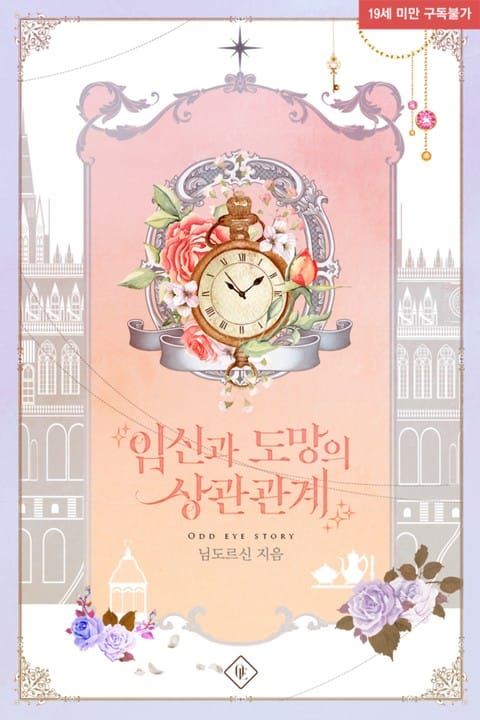
There's something underneath all of this that keeps me up at night, and I think it's the child.
Everything in this story orbits around Yulia's pregnancy, but it operates on so many levels simultaneously. The child is her vulnerability—Resti uses it to trap her, to convince her she can't leave, to brand her as his by forcing her to carry his heir. But the child is also her agency. When she decides to run, it's specifically to raise this child "not as a bastard, but as her own." The child becomes the reason she fights, the thing that gives her the strength to walk into an unknown forest with nothing but a pouch of coins and twenty minutes.
The imagery of bodies and ownership runs through this entire passage like a dark current. Resti talks about leaving marks—on her skin, on her tongue, inside her body. He literally inserts himself into her in ways both sexual and reproductive. The child is the ultimate mark, the permanent proof of possession that lives inside her. But Yulia flips this symbolism on its head: she takes that same body, that same pregnancy, and uses it as her escape route. She walks away from him carrying his child but choosing a different father-figure for it—herself.
Then there's the dress. The author makes such a pointed distinction: it's "at least a dress," not a wedding dress. Clothing as social branding, as visibility or invisibility. To be dressed by Lord Leonhardt is to be displayed as his property. To refuse the dress, to run into the forest bare and unbranded, is to reclaim herself entirely.
"If you call another man's name..." Resti's threat about cutting out her tongue is about silencing her voice, her ability to tell her own story. But Yulia writes a letter with just three words and leaves anyway. Her silence becomes its own kind of speech.
This book is wearing a romance costume while actually being about autonomy, survival, and the brutal economics of women's bodies in a patriarchal world. The sex scenes aren't just sensational—they're territorial disputes. Every touch is a claim, every escape is a rebellion.