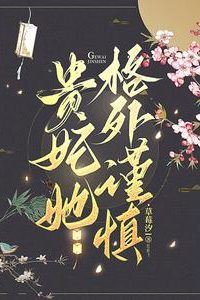
The symbolism in this text is razor-sharp. Let me start with the lotus seeds — Ning Wanyin orders water jars planted with lotus flowers and deliberately spreads the rumor that she wants them because "lotus seeds have many seeds, I hope to have a son soon." On the surface it's a clever cover story. But underneath? The lotus grows from mud, beautiful but rooted in filth. That's the palace. That's her. She's planting something beautiful while hiding her true intentions beneath layers of political performance.
Then there's the folding fan and jewelry — checked for poison, clean, yet Tang Miaoling still changed after her nightmare. What was in that dream? The text never says, but the unease lingers. Some things can't be tested by a doctor.
The palace itself is a symbol — Yonghe Palace, the left and right halls, the strict hierarchies of bowing and greetings. Every physical space maps to power. When Ning Wanyin orders her courtyard dug three feet deep, she's not just checking for poison traps — she's asserting control over her environment in a place where everything else is controlled for you.
And the two Duke families? They're the yin and yang of this world — one produces the Empress, the other the Noble Consort. The empire was built on their backs, and now their daughters are the pieces on the board. The story isn't just about one woman's survival — it's about how systems trap individuals, and how women navigate spaces they didn't create but must survive.