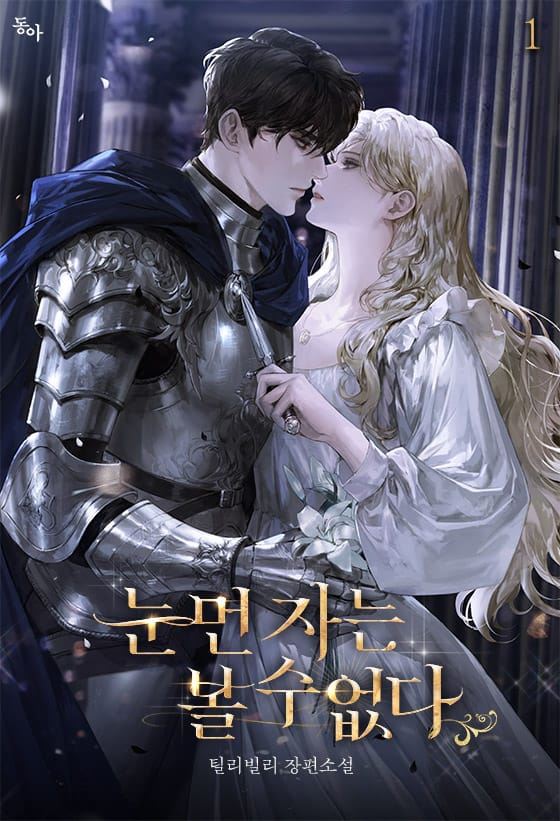
I need to process the emotional whiplash here. The author takes you from one of the most visceral, raw scenes of grief I've read to this cold, political proclamation in the same breath. And it's devastating. Let's talk about Yerena's nightmare sequence first. It's not just 'she had a bad dream.' It's a full sensory flashback. The warm memory of her family, the sudden devastation, the mother coughing blood and begging her to live, the father and brothers gone, the palace doors breaking. And then the dark space. The voice saying 'You too shall be blinded.' That's psychological horror. It's the trauma speaking. And then she wakes up screaming, chains rattling, and the next thing we get is Roshan entering this chaotic room. The emotional contrast is brutal. On one side, you have this broken girl who is literally fighting her own mind, spitting out medicine, looking like a marionette with cut strings. On the other side, you have Roshan, the emperor's brother, the conqueror, who watches all of this and feels... what? The text says his mood twisted, his chest stirred. Then later, after that smile, he feels lightning and sharp pain. Is it guilt? Is it something else? The physician's line about it being better she can't see because it would be torment to see her enemy every day—that hit me like a truck. It frames their entire relationship as a kind of mutual prison. She's chained to a bed; he's chained to his duty and his strange, unwanted fixation. And yet, there's this moment where she smiles in her drugged sleep, and he catches her falling body. That tiny act of physical support, followed by his immediate retreat and stiff questions about her eyes, is so loaded. It's care warring with denial. I'm emotionally wrecked and I have so many questions.