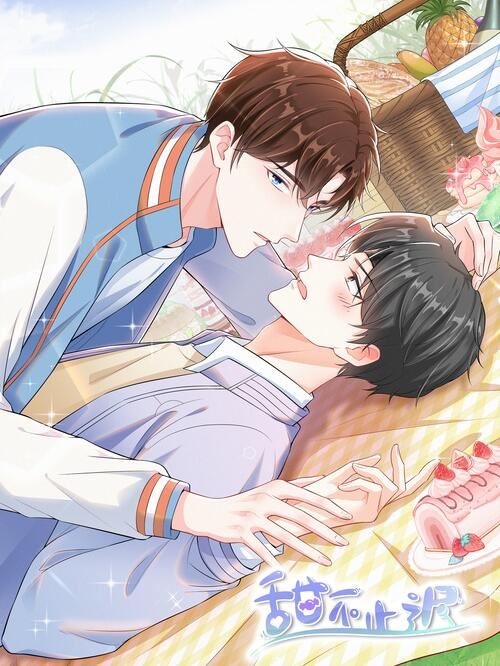
This chapter is obsessed with symbolic objects that carry so much thematic weight. The graduation tassel is the first one—it's literally moved aside, manipulated, used as a prop in an intimate moment. It represents transition, achievement, but also control. Fu Zhi'an plays with it, deflects, tries to steer the conversation. But when Chi Yu stares him down, the tassel becomes a symbol of surrendered power. Then there's the blood. So much emphasis on blood tests, veins, anemia. Chi Yu gives blood—literally—to fix his health, to stabilize himself. But it's also symbolic: he's offering his life force, his vitality, to ensure they can stay together, to keep the peace. And Fu Zhi'an's scalpel? Chi Yu calls it out directly: 'I don't like it when you dissect mice with a scalpel either.' The scalpel represents Fu Zhi'an's chosen path, his sacrifice, his detachment from emotion in favor of clinical precision. But Chi Yu is telling him: I see what you're giving up. I see the yawns, the reluctance. You're trading your passion for stability, and it's breaking my heart. The burnt toast is another gem— Fu Zhi'an can't even master something simple like toasting bread without burning it. It mirrors his attempt to manage their relationship: well-intentioned, theoretical, but occasionally disastrous. And the deleted email—the pharmaceutical company offer—is a symbol of hidden opportunities, of paths not taken, of secrets kept ‘for your own good.' All these objects tie back to the central theme: sacrifice. Not just grand, heroic sacrifice, but the quiet, daily kind. The blood draw. The yawns in lecture halls. The burnt breakfast. The unspoken negotiations. The story asks: what are we willing to give up for the people we love? And more importantly, do they know we've given it? I think that's why this chapter resonates so deeply—it's not about plots or twists; it's about the small, symbolic currencies of love.