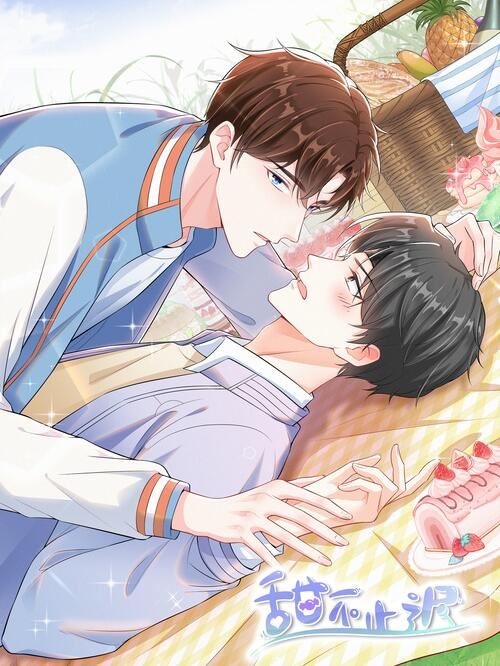
The way this author writes space is so deliberate. Take the car scene at the start—'The car's air conditioning was on full blast, causing the black tassel to sway in the breeze.' That's not just atmosphere; it's emotional weather. The AC is blasting, but Fu Zhi'an is leaning in close, noses brushing, the tassel moving between them like a metronome counting down to a kiss that doesn't happen. It's intimate but charged, confined yet expansive. Then you cut to the apartment: 'Chi Yu stared at the thick stack of printed papers on the coffee table.' The visual clutter, the mix of English and Chinese documents, the medical jargon overwhelming him. It grounds us in their reality—they're students, they're dealing with paperwork, visas, job offers. The world feels lived-in. And the deleted email on the laptop! 'The light from the laptop screen illuminated Chi Yu's face, making his features appear even sharper.' That's cinematic. The blue glow, the bare feet on the floor, the way Fu Zhi'an is peeling burnt toast without turning around. Domestic realism with a side of tension. Later, the front door scene at night: 'Fu Zhi'an sat on the bed, his left hand resting beside him. The soft bedsheet felt cold, with no warmth left behind.' Empty space as emotional absence. Then he's by the door with a stool, laptop open, group call going on, but his mind is elsewhere. The world here isn't just backdrop; it's a character. The house holds their arguments, their silences, their reconciliations. The car holds unspoken confessions. The coffee table holds secrets. Every location amplifies the relationship dynamics. I love how the author uses these ordinary, almost mundane spaces to hold such intense emotional weight. It's not about grand estates or fantasy realms; it's about the intimacy of shared apartments, the vulnerability of shared cars, the quiet drama of a laptop screen lighting up a face in the dark. That's where the story lives.