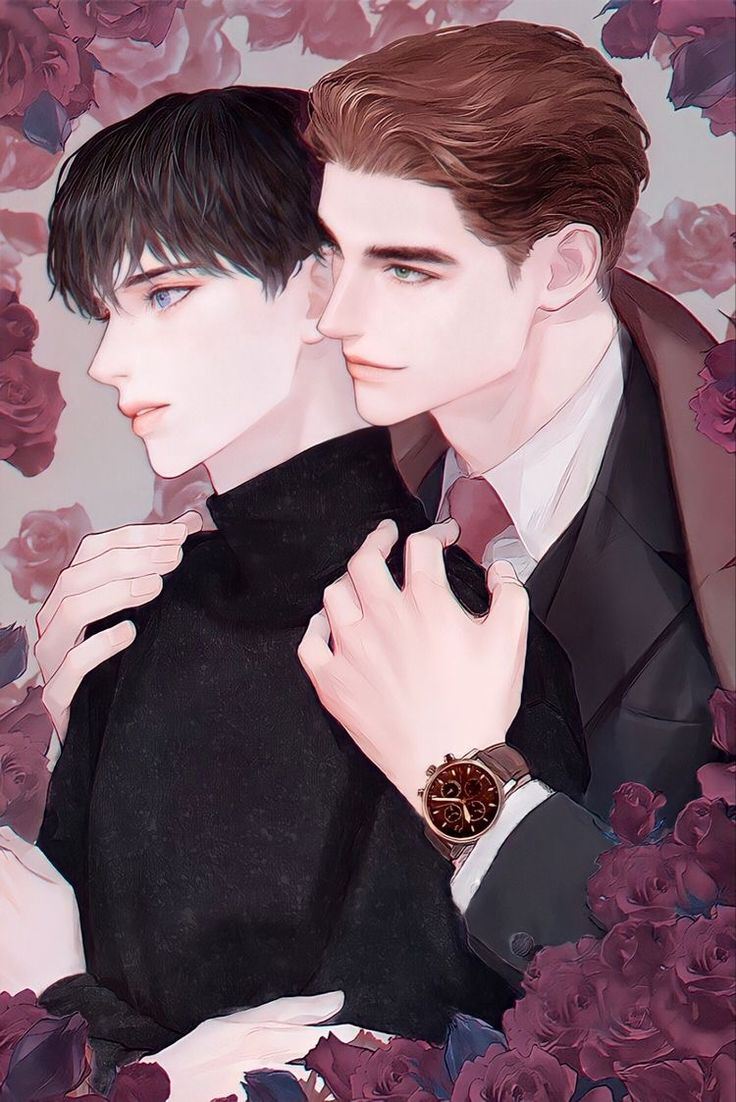
“Since we're still on a date…” Lu Yao says it like he's renegotiating terms mid-game. Like maybe the rules changed when he kissed Yu Le's face instead of his mouth. The line between romantic pursuit and casual companionship is paper-thin here, and both of them are walking it carefully.
What kills me is the asymmetry. Lu Yao is all-in—bringing a date to meet his army buddies, volunteering that he likes him, defending his right to not drink, essentially curating a social introduction like a man presenting evidence to a court. Yu Le? He's smiling through it, eating cold sweet jelly, quietly watching. “He's shy, don't tease him,” Lu Yao says. Maybe Yu Le is shy. Or maybe he's just not ready to be performed into affection.
But then there's the undercurrent—Lu Yao squeezing Yu Le's hand under the table after Lao Mao's breakdown. No words. Just pressure. A silent anchor. That's when I knew: this isn't just romantic pursuit. This is emotional first-aid in progress. Lu Yao doesn't know how to love without fixing, but he's learning to fix by staying present instead of solving.
And Yu Le's response—to tug his sleeve, to notice, to stay seated instead of fleeing—those are tiny rebellions against his own hesitation. He's letting himself be seen in a room full of strangers. That's huge.
The birthday party next door cheers and whistles, oblivious. Their joy is background noise to this fragile, unfolding thing between two people who may or may not be on a date. It's almost cruel how ordinary life continues around moments that feel world-changing.
I kept waiting for a grand confession or a dramatic rejection. Neither came. Instead, we got silence, squeezed hands, and the terrifying vulnerability of being liked by someone who's also trying to figure out how to like you back. That's the emotional climax of this scene—not fireworks, but embers.