Supporting Role’s Aura - Reviews

Supporting Role’s Aura
+Add to Custom List
Sort
Add review
... Read More
Let me just say this out loud — the stakes in this chapter are quietly but absolutely ferocious. On the surface it looks like a dance competition, right? Two performances, one winner, whatever. But underneath all of that, this is about something way bigger. Ye You did not get a gift for Liu Hui. Not one. And the text makes it crystal clear why this matters: "This was already considered not giving Liu Hui face." In military culture, this is a declaration of war wrapped in silence. Ye You is publicly refusing to acknowledge Liu Hui as his direct superior in the dance team. That is not petty — that is political. That is him saying I see what you are doing and I refuse to play along. And then there is Liu Hui's response: bring in a professional choreographer, exclude seven people (including Ye You) from the group dance under the fake excuse of failed assessments, and let Ye Chen steal all the spotlight. This is calculated. This is mean. This is the kind of enemy that makes you grip your phone. But here is what really has me on the edge of my seat — Ye You's response to all of this. He does not throw a tantrum. He does not beg for inclusion. He calmly says: "Leave everything else to me." He is going to choreograph his own piece, make his own costumes, compose his own music, and bring seven misfits onto that stage. What happens if he loses? I honestly don't know yet, but the tension is so thick I can taste it. Seven against a regiment. I am fully committed to this.
... Read More
If you think the romance plot is the main conflict here, you are dead wrong. Let me paint the picture: Ye Chen, Ye You's rival from the Dance team, just got "extremely appreciated by the leaders" during a special performance. He's walking around “bringing wind”—that expression literally means he's so happy and full of energy he's strutting. His smile hasn't faded in days. Meanwhile, Ji Wen is sitting there eating canned meat and casually dropping this information like it's nothing. “You better not let your guard down.” That's not a warning, that's an understatement. The stakes here are incredibly clear: Ye Chen has the favor of leadership RIGHT NOW, and Ye You has just returned from a five-day romantic getaway looking recharged and radiant. These two are on a collision course. But what makes this genuinely tense isn't just the rivalry—it's the layering. Zhao Yuan, the Deputy Team Leader, has been angry with Liu Hui (the current Team Leader) for YEARS and sees Ye You as her vehicle to take Liu Hui down. She's NOT an enemy. She's a potential ally with her own agenda. And Ye You himself is already thinking strategically: “The more they do, the better it is, and I can save more effort to stimulate them.” He wants them to keep coming at him because it gives him more reasons to push back. This is someone who understands how to play the long game. The suspense is killing me because we KNOW something is coming. Ji Wen specifically warns about “small tricks to frame you.” Frame Ye You for what? Sabotage? Absence? Something worse? The author hasn't revealed the specific threat yet, but the way everyone is circling—Ye Chen flexing, Zhao Yuan waiting, Liu Hui losing ground—creates this palpable sense that the next chapter could detonate everything. What do they stand to lose? Ye You stands to lose his position, his reputation, possibly his marriage if the family gets dragged in. Ye Chen stands to lose his newly won favor. And Du Yao? Well, Du Yao's out of the picture for now, stuck away from home, which means Ye You is handling this alone. That alone raises the stakes to uncomfortable levels.
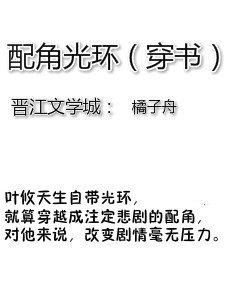
... Read More
This chapter is a masterclass in pacing that most writers could learn from. It moves through THREE distinct emotional registers and never lets up. It starts in the dining hall — formal, almost ceremonial. Gift-giving is structured, deliberate, each present gets its moment. The pace here is measured, almost stately. You feel the weight of family hierarchy in every exchange. Old lady smiles, Sun Ting receives gracefully, Qin Yuwei gets the most elaborate attention. This section is about ORDER. Then — shift. Ye You takes his mother to the bedroom. Suddenly we're in an intimate, private space. The pace slows down. We linger on the mirror, on the fabric, on Ye You's observations about her wardrobe. This is the emotional core of the chapter, and the author lets it breathe. No rushing. Just two people in a room, really SEEING each other. The shopping invitation at the end of this scene feels earned because we've sat in that moment long enough to believe it. Then BAM — back to the dining hall, and suddenly Ye Chen's internal struggle becomes the lens through which we read everything. The warm family dinner becomes tinged with something else. The chapter ends on this note of restrained tension, and it's PERFECT because it means the reader is left with a question: what happens when this cracks? The chapter structure basically goes: external harmony → internal intimacy → underlying conflict. That's a three-act structure in one chapter. And the author controls the tempo so well that you don't even notice the shifts happening until you're already affected by them.
... Read More
The pacing around the Genius Doctor reveal is chef's kiss. Let me break down why it works so well. We get the mention during a casual family dinner—total low-key setup. Then Ye You's memory triggers, he recognizes the name, and immediately acts. No dragging, no internal debate. He goes home, tells his parents, they search for five days, and then—WHAM—the doctor refuses to come. Five days is such a specific, deliberate number. It's long enough to feel like genuine effort and hope, short enough that the rejection stings immediately. The author doesn't give us a middle ground where the doctor is unsure or negotiates. He just says no. That sharpness is what makes it land. And what comes after? The Deputy Leader mention, the reunion, the fact that the doctor is over a hundred years old—all dropped in rapid succession like we're supposed to process everything at once. It mirrors how Ye You must have felt: sudden clarity, then a crash. The structure of this section also loops back beautifully. We started with Du Yao's injury as an emotional anchor, and now we're at a dead end. But the fact that Ye You has already transcribed those medical books means the story isn't stuck—it's pivoting. He can't find the doctor, so he becomes the doctor. That's the kind of pacing move that makes you want to immediately turn the page, because you know something has to happen next. The cliffhanger isn't a question—it's a transformation.
... Read More
"You soldiers of the Combat Legion, use your own life to protect us, we, the Literary Art soldiers comfort you with the best performance, it is our duty. In fact, you don't have to thank us, but we, who enjoy your protection, should be the one to thank you." I had to stop and reread this. Ye You's voice in this scene is completely different from how he shows up everywhere else — not defensive, not performative, just straight and grounded. He's addressing soldiers who offered him gifts and he's reframing the whole relationship on his terms. The power dynamic flips so cleanly. Instead of accepting charity, he elevates the Combat Legion soldiers and positions himself as someone who owes them gratitude for their service. And the way he handles Qu Bin afterward is brutal in the best way — he doesn't soften, he doesn't apologize for accepting Du Squadron's gifts personally. "To say something peculiar and ridiculous will only expose your ugly heart because of jealousy and it is not ability." That's not just dialogue, that's a verbal gut punch. And Qu Bin literally can't refute it. I love that the author gives Ye You this moment where he doesn't need to be liked, he just needs to be honest. His voice carries weight because it's not performing empathy, it's stating a position.
... Read More
The author plays this chapter like a master of suspense. First we get the slow burn — medicine distribution, wounded soldiers, the quiet observation of Ye You's cleverness. Then the soldiers' confusion and Alger's discovery. Then Du Yao and Ye You's sweet exchange. Everything feels calm, almost domestic. And then Frank arrives like a thunderstorm. The transition is so sharp it's almost jarring — one moment Du Yao is happily ruffling Ye You's hair, the next he's dismantling a man's entire career in front of his troops. The chapter doesn't warn you. It lets you lower your guard right before the hit. That's excellent structural control. What's brilliant is that Frank's arrival isn't random. The author planted the seed earlier — those whispering soldiers, Alger's confusion, the visible disparity between the two camps' readiness. By the time Frank storms in, we already feel the tension building; he's just the spark. And then the ending! "What would happen to Frank now?!? See you after VGSB and BPLW! XD |ω・)ノ" The author literally BREAKS the fourth wall and addresses us directly, dropping the chapter like a grenade and running away laughing. It's chaotic, it's funny, and it makes you immediately want to read the next one. Perfect cliffhanger energy. Also Lin Dong's internal monologue at the end — realizing Du Yao deliberately let Frank go without retaliation — is a great pacing beat. It forces us to pause and process before the chapter ends.
... Read More
The stakes in these chapters are brilliantly dialed down to the most fundamental level: the conflict between your body and your will. There's no enemy army yet, just the aftermath of training. But the internal conflict is visceral. Ye You is in significant pain, yet his first conscious action upon waking is to help Ji Wen. That's character-defining stakes. The external conflict is the looming next phase of training. But the immediate, pressing conflict is simply making it through the next hours. The suspense isn't 'will they survive?' but 'how will they function?' The author maintains tension by focusing on the scarcity of solutions – only two bottles of medicine, one used up. The moment the medical soldier asks for more and Ye You has to reveal he's out, that's a mini-cliffhanger. But then Ye You produces the pills! It raises the stakes again because now the question becomes: what happens when THIS runs out? The conflict is physical, yes, but it's deeply psychological too. Will the squad fracture under this level of stress, or will they cohere further? Every groan from a neighboring bed is a reminder of the fragility of their situation.
... Read More
Okay so this whole scene with Marshal Bunaber is genuinely one of those moments where you realize how much power curiosity holds in this story. A foreign military leader—a literal marshal—comes face-to-face with Ye You and what does he do? He can't stop thinking about whether they're male or female. Like bro, you're supposed to be in a three-day combat exercise but here you are, completely sidetracked by this question. What really caught me though is the contrast between Bunaber and Marshal Cheng. Bunaber's approach is blunt, almost childlike in his honesty. 'Is this a boy or a girl?' right in front of everyone. But Marshal Cheng... he just freezes. The narrative literally says 'even the flow of air seemed to pause quietly.' That's not just awkward silence, that's a man who knows exactly how complicated this is to explain and is terrified of offending someone he's negotiating with diplomatically. And then the translator's moment—Marshal Cheng literally dumps the explanation on the interpreter like 'good luck with that' and the interpreter's inner monologue is priceless. The most taboo thing for a translator is elaborating freely, but here he gets forced to become a cultural anthropologist on the spot. I laughed out loud. Bunaber's reaction after hearing about the ger identity is also telling. He sizes up Ye You 'like looking at a rare object' and thinks 'no wonder he was so powerful.' There's this almost mythological framing happening—Ye You isn't just some talented performer, the ger identity makes them seem almost legendary, magical even. That's why Bunaber leaves still looking back at him, thinking 'he might really have a little magic or something.' The Marshal Cheng and Old Master Du exchange at the end is a nice pivot though—much warmer, more domestic. Cheng inviting Du Yao to visit feels like genuine warmth from an old man who misses having kids around. 'If you agreed to let me adopt Du Yao into my family before, I also don't need to envy you now'—this guy is clearly lonely and trying to stay relevant while also being kind to the young performers. Meanwhile Du Yao hasn't visited in years, which says something about family distance even in this close military community.
... Read More
The way this chapter moves from the hospital to Du Yao's home is such a deliberate shift in atmosphere, and I think the author really knows what they're doing here. At first you've got this clinical, almost cold environment—doctors with poor skills wandering around, Elder Xu scolding them like a disappointed headmaster, the whole thing feels sterile and slightly absurd. There's something almost comedic about Elder Xu telling doctors to "go read two more medical books" if they have so much free time. It's funny, but it also establishes the medical hierarchy in this world in one scene. Then the crowds start showing up. Not just doctors—people wanting longevity secrets, people desperate to be near Elder Xu. This is such a rich detail about the world. Medicine isn't just medicine here; it's power, it's access, it's almost mystical. The fact that people are flocking to the Du house like it's some kind of pilgrimage site tells you everything about how this society works. But then—boom—they move Du Yao to a secluded, quiet place. The noise fades. The spectacle ends. And what you're left with is this incredibly intimate image: Ye You preparing medicine, learning every step, watching Elder Xu work, absorbing everything. The world shrinks down to just the four walls, the medicine pots, and two men—one healing, one being healed. That contrast between the public chaos and the private devotion is gorgeous writing.
... Read More
Let me just say — the dialogue in these chapters really nails Ye You's personality. There's a difference between how he speaks to Du Yao versus how he speaks to Ye Chen, and honestly the contrast is everything. With Du Yao, his voice is layered. He starts with anger ('I'm really angry, do you know?') but it's immediately followed by regret, then bargaining, then this weird threatening tenderness ('if you don't wake up, I will go find someone else and you will regret it'). The switch is so fast and so natural — it's exactly what someone does when they're talking to someone who can't respond and they need to say everything at once. The lines pile up, the emotions contradict each other, and it's beautiful because it's true to how people actually behave when they're desperate. With Ye Chen, his voice changes completely. Shorter sentences. Colder. 'The previous thing has ended. After that, we have nothing to do with each other.' Then: 'In this case, I will accept your declaration of war.' This isn't a conversation, it's a verdict. And the fact that he says it while walking TOWARD Ye Chen — the physical movement matching the verbal escalation — makes the dialogue hit harder. The narration also does interesting things. Notice how the translator keeps noting Ye You's expression changes: 'he looked at Ye You and asked,' 'Ye You walked in slowly towards Ye Chen,' 'Ye You looked confused.' These aren't filler descriptions — they're tracking the shift in power through facial expression and body language, which is especially important because Ye You's real thoughts are often hidden behind a calm exterior. One quirk I noticed: the narrator occasionally breaks into the translator's voice ('I think here Ye You dislocates YC's arm?'). It's distracting but also kind of charming in its own way — it reminds you there's a human being on the other end trying their best.
... Read More
The stakes in this chapter just went through the roof and I am here for it. Du Hao thought he was playing a safe game - control the narrative, isolate Ye You, keep his relationship with Ye Chen hidden. Instead, everything he was trying to protect has been stripped away. His reputation among the soldiers is destroyed. His secret relationship is exposed. His plans are in complete chaos. And the worst part? He still blames Ye You for it all. That denial is going to cost him. Ye Chen is in an equally tense position - cornered, forced to confront Ye You face to face, probably terrified about what Elder Ye will do when he finds out. The factional dynamics in the army add another layer of danger. Those who want to climb up aren't afraid to offend Du Hao, and those at the bottom have the kind of bloodiness that makes them unable to just let it go. Every confrontation from here on is going to have real consequences. Du Hao can't just use his background to sweep things under the rug anymore because the whole military unit is watching. And Ye You, despite winning this battle, is now standing in the crosshairs of multiple enemies. Elder Ye, Ye Chen, Du Hao - the list keeps growing. The author is masterful at making you feel the pressure building in every direction at once.
... Read More
There's a moment in this passage that hit me harder than anything else, and it's not dramatic at all. It's this: “Every household hung up red lanterns and red silk, preparing to bid farewell to the old year and welcome the new year.” Just one sentence. One brushstroke. And suddenly you can SEE it—the snowy streets, the red paper catching winter light, the whole neighborhood preparing for the biggest festival of the year. The worldbuilding here works because it's never explanatory. We don't get a paragraph about Spring Festival traditions. We just see the lanterns going up and understand immediately what time of year it is and what emotional weight that carries. Same with the VIP massage building—we learn about it organically through the characters' experience, not through exposition. TheYe family's restaurant chefs being summoned to cook for the brigade—again, we learn the entire supply chain through a casual observation by Lu Jinlan about why the kitchen is so lively. And the closing image: soldiers carefully placing covered dishes into large wooden boxes while two trucks wait outside. Think about the contrast—inside the house it's perfumes and lipsticks and fashion drama. Outside, in the snow, men in uniform are packing meals for other men who might not survive the coming months. The domestic and the wartime coexisting in the same breath. That's not just atmosphere. That's the author telling you what the story is actually about without ever saying a word.

Leave a comment

You must be logged in to leave comments. or
